Interdisciplinarity has long occupied a mythic position in architecture—the figure of the Renaissance man or generalist architect persists, often producing superficial engagements with adjacent fields. For Andreas Palfinger, however, interdisciplinarity is not a posture but the very route through which he arrived at architecture.
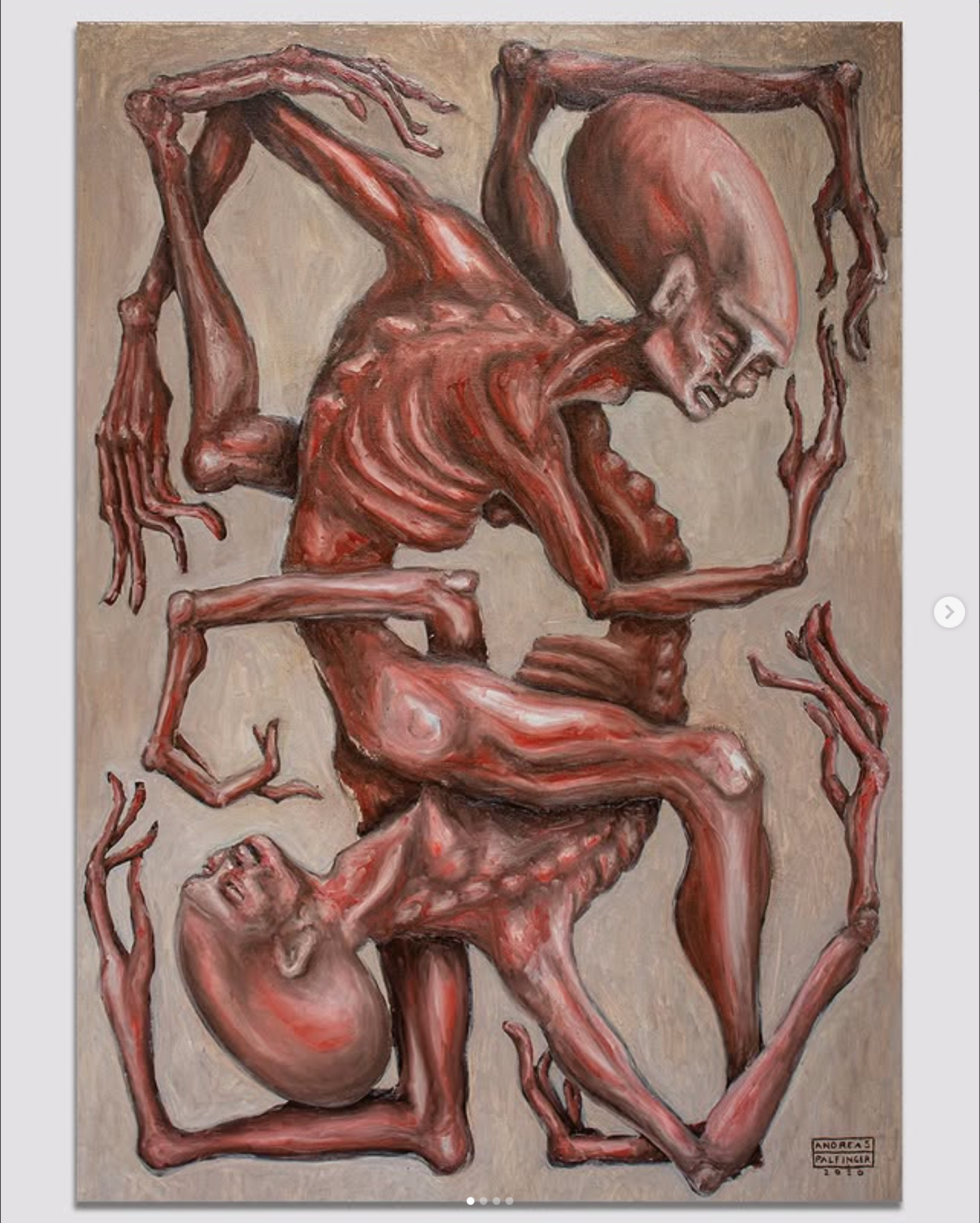
His trajectory begins in graphic design and unfolds through film, performance, and speculative world-building before coalescing into an architectural practice that remains inseparable from those early artistic languages. Rather than treating art and architecture as distinct domains, his work operates in the space between them: film becomes a design instrument, philosophy informs geometry, and cultural rituals expose the spatial mechanics of power. Across media, a recognisable language emerges—topological, biomorphic, curvilinear, and almost human—suggesting architecture less as object than as organism.
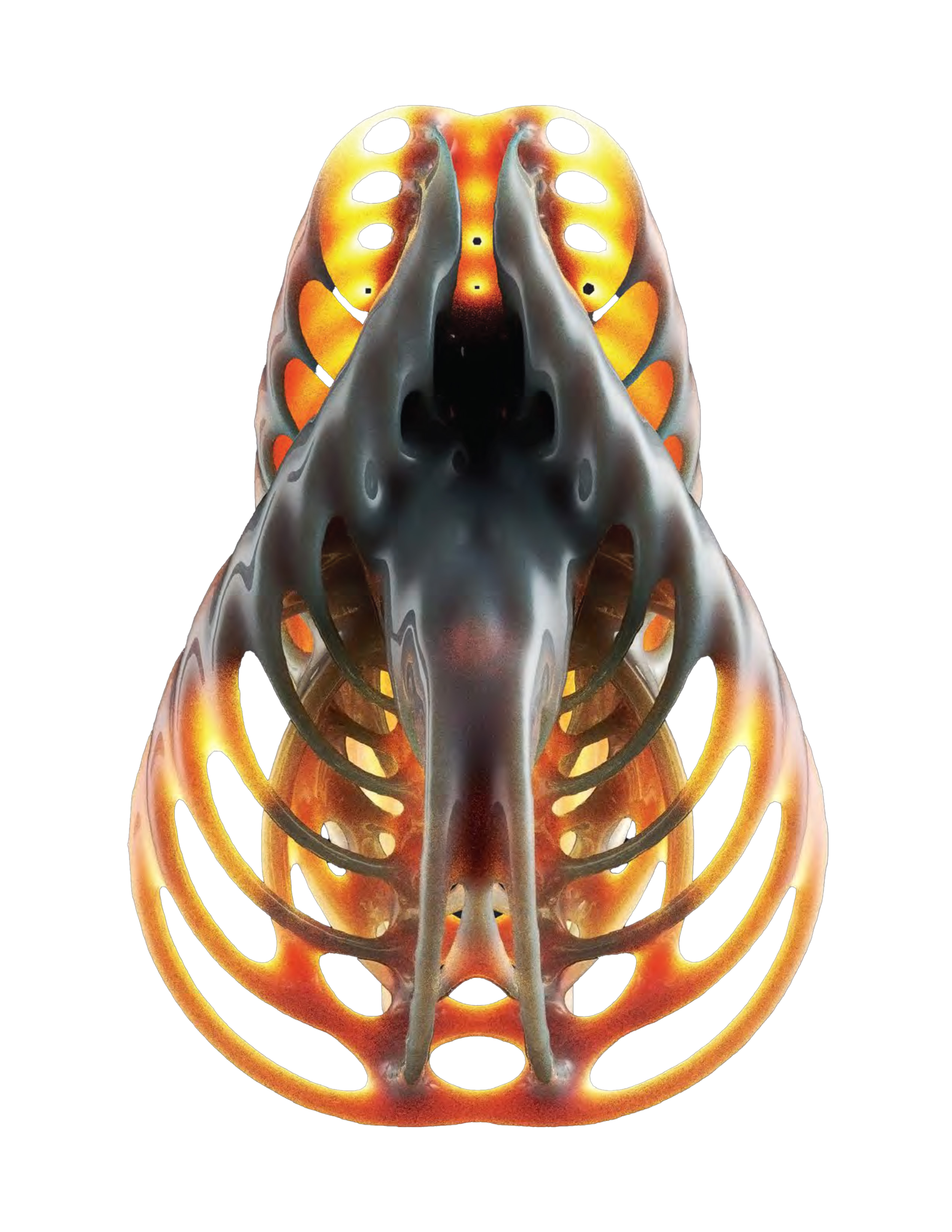
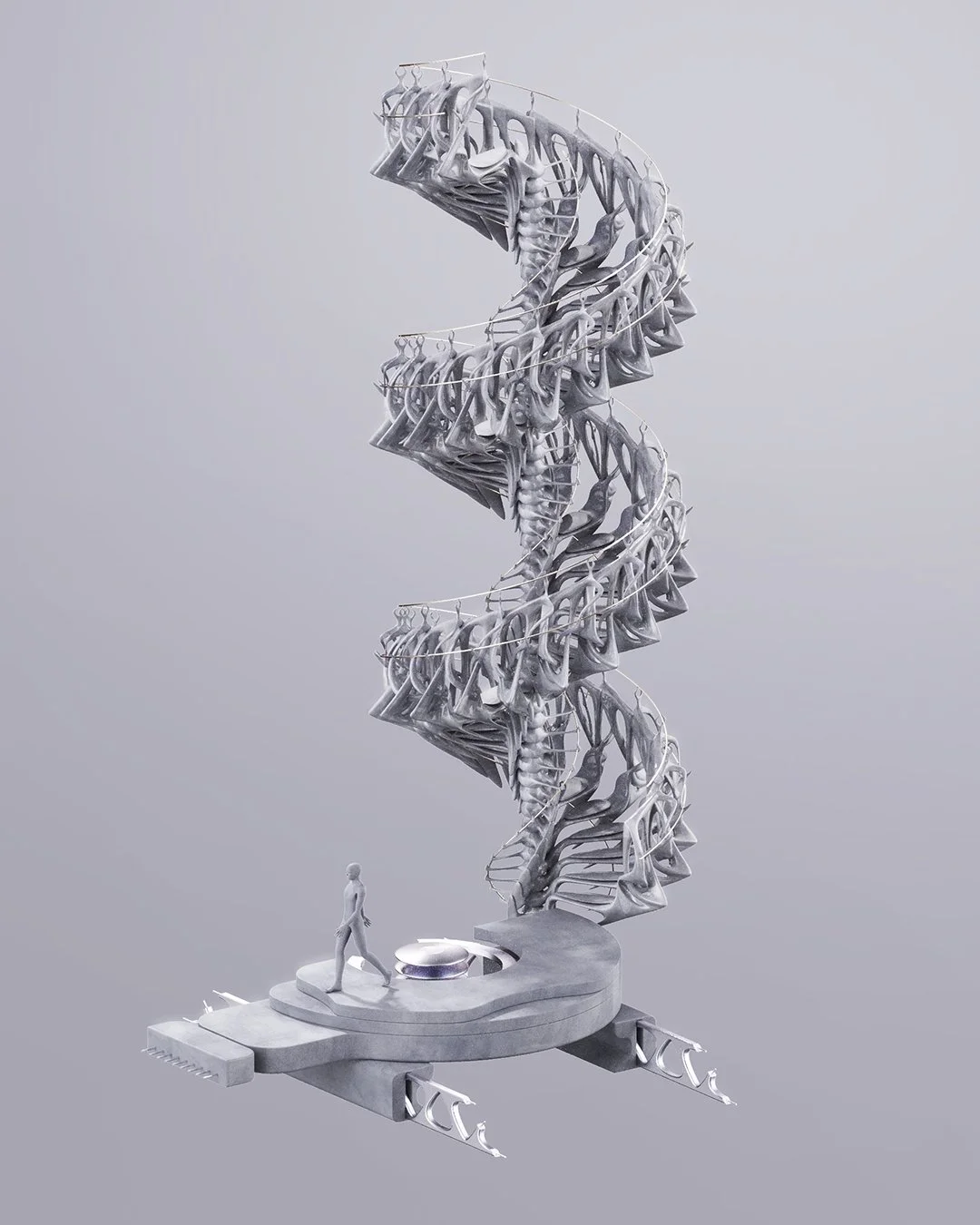
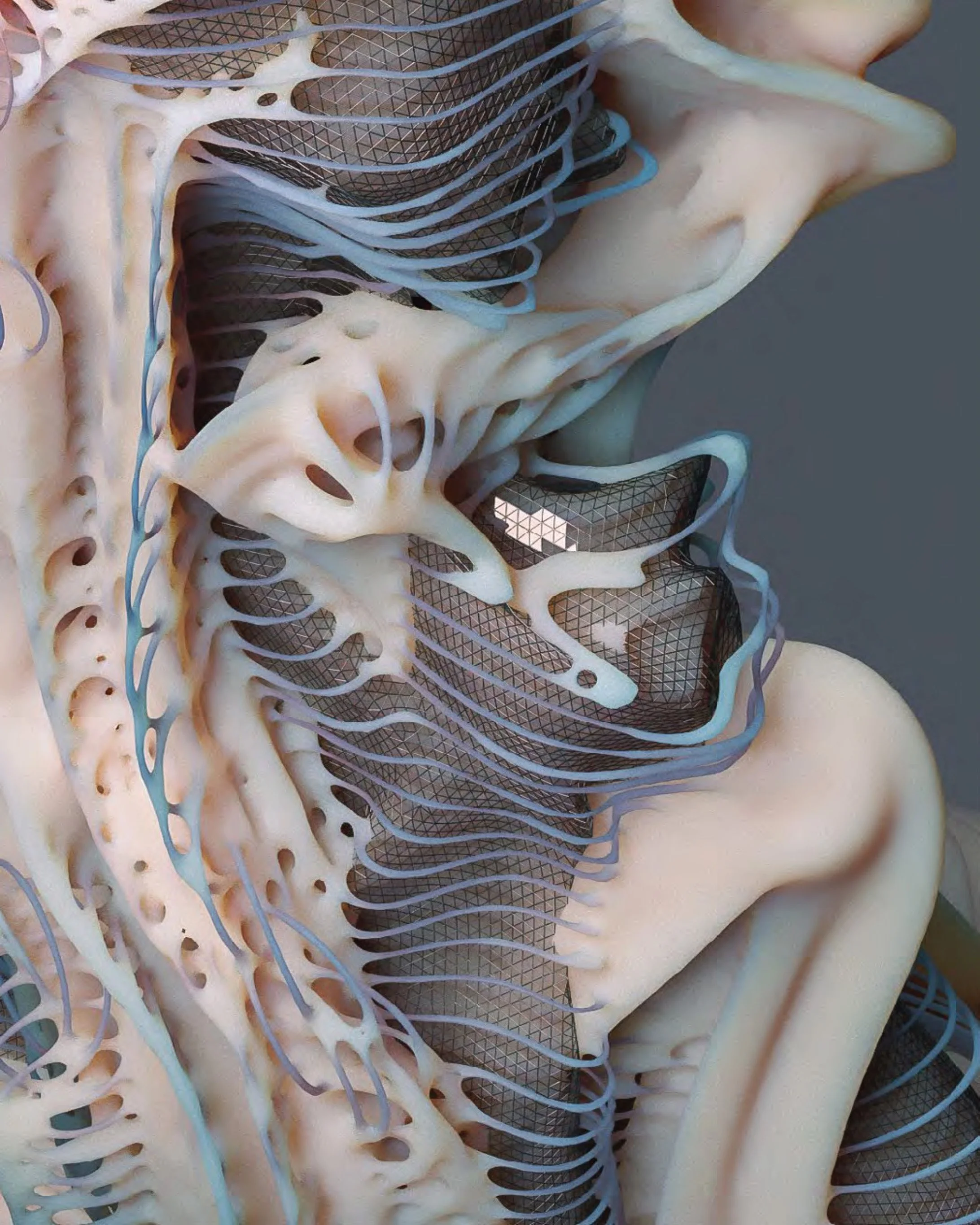
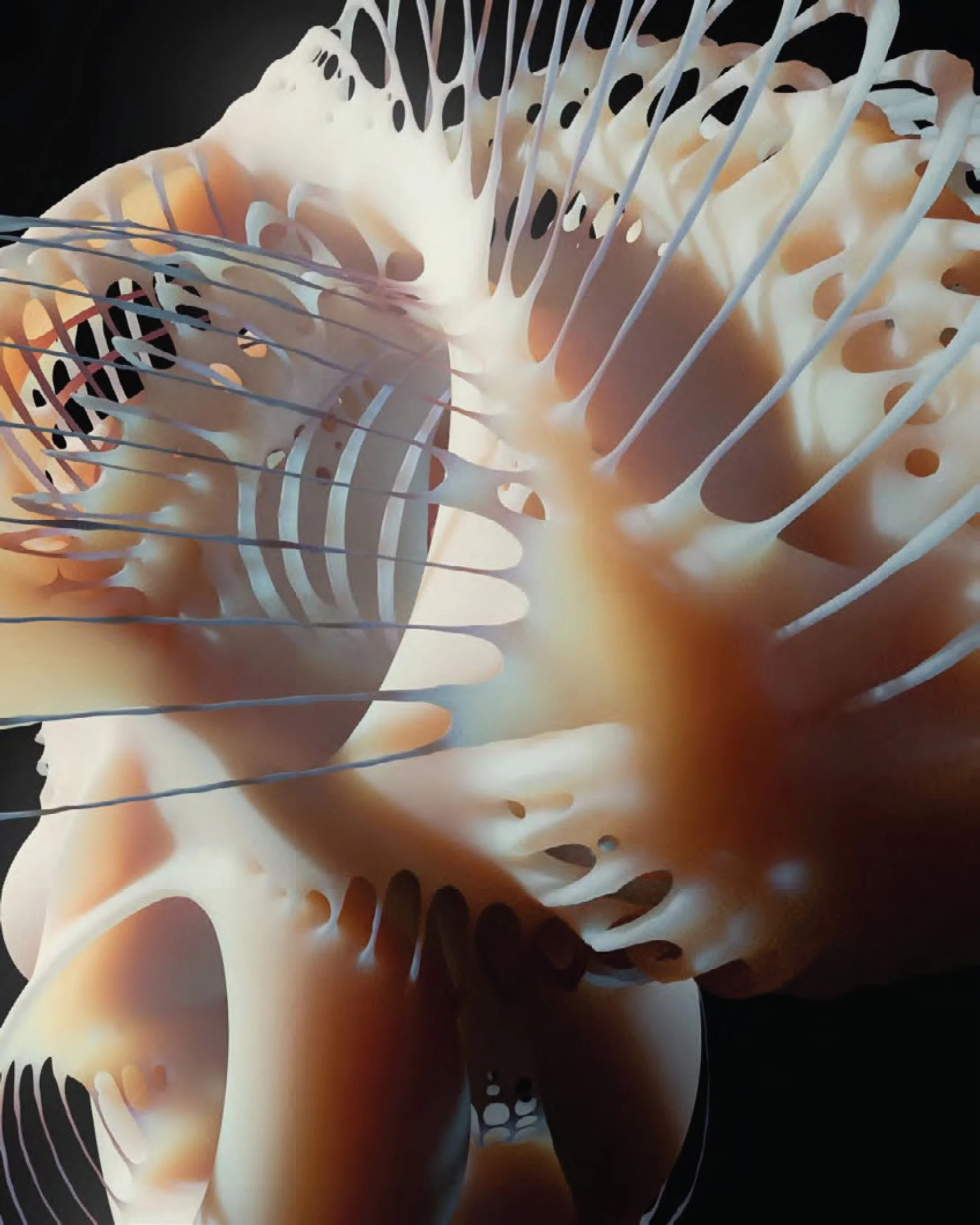
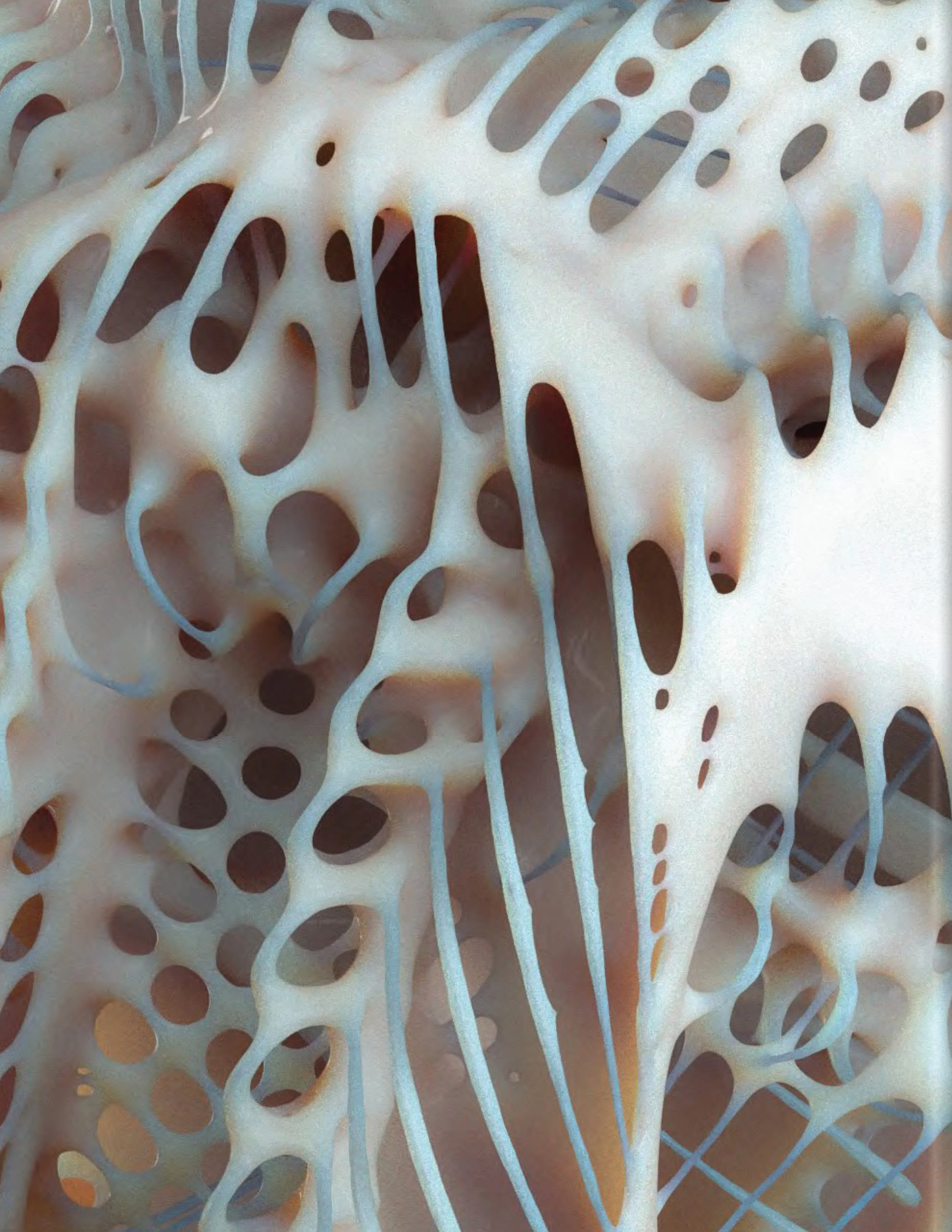
This sensibility is rooted in his fascination with mathematics and geometry, with forms that hover between the natural and the constructed. As a child, he became absorbed by parabolic curves, particularly the hyperbolic paraboloid—an obsession that persisted through years of drawing and later resurfaced in his architectural thinking. That early engagement with mathematically generated form evolved into a broader interest in living, grown architectures, most clearly articulated in his speculative thesis project, Mother Arkah, in which buildings are imagined as genetic systems rather than assembled structures. Here, geometry is not a neutral tool but a generative logic. A logic that bridges mathematics, biology, and architecture, allowing form to emerge through processes of growth, curvature, and transformation rather than static composition.
Interview by Ejla Miletić | Edited by Juan Cantú | Photos & Video courtesy of Andreas Palfinger
Coming from such an interdisciplinary background, you’ve explored a lot of ideas early on. Was there a project that set things in motion for you?
Definitely my thesis project at Die Angewandte. It took a whole year and really set the direction for everything that followed. Although I was credited in graphic design, I created a film project, Mother Arkah—a speculative future world that was alive, grown, DNA-based. To depict it, I had to dive into geometry courses, attend philosophy lectures on life, and explore how one might design buildings that grow, structures that live. That project opened up whole new worlds for me and shaped my trajectory.
What drew you to the direction of grown architecture and dystopias in particular?
Good question. It really grew out of the process—like weaving together ideas from books, papers, and conversations. It began with writing about a possible future and asking, “what if innovation were banned—what kind of society would emerge?” That led me to think about how political systems rise and fall, and what environments such systems would create. From there, the structures and the film's world naturally took shape. Earlier, I focused more on political ideology—the rise and fall of empires, or social structures. However, more recently, I’ve been interested in power—not symbolic power, but disciplinary power: the structures that shape behaviour in society.
How do they Differ?
For example, I have been writing about Krampus—the devilish Alpine figure I used to draw a lot as a child. Viewed through Foucault, Krampus becomes a disciplinary tool: going house to house, defining good and bad, enforcing moral values through fear and ritual. Especially when paired with Saint Nicholas, it’s about how culture and tradition invade personal and family space, shaping rules, taboos, and behaviour. In my hometown, there’s also Schnabelperchten, another ancient figure visiting houses, this time disciplining women running the household—literally cleaning, punishing, cutting open bellies and stuffing them with dirt. It’s horrifying, but fascinating from a cultural and spatial perspective. These rituals occupy different kinds of space—the family, the village, society—and show how cultural mechanisms shape and discipline those spaces.
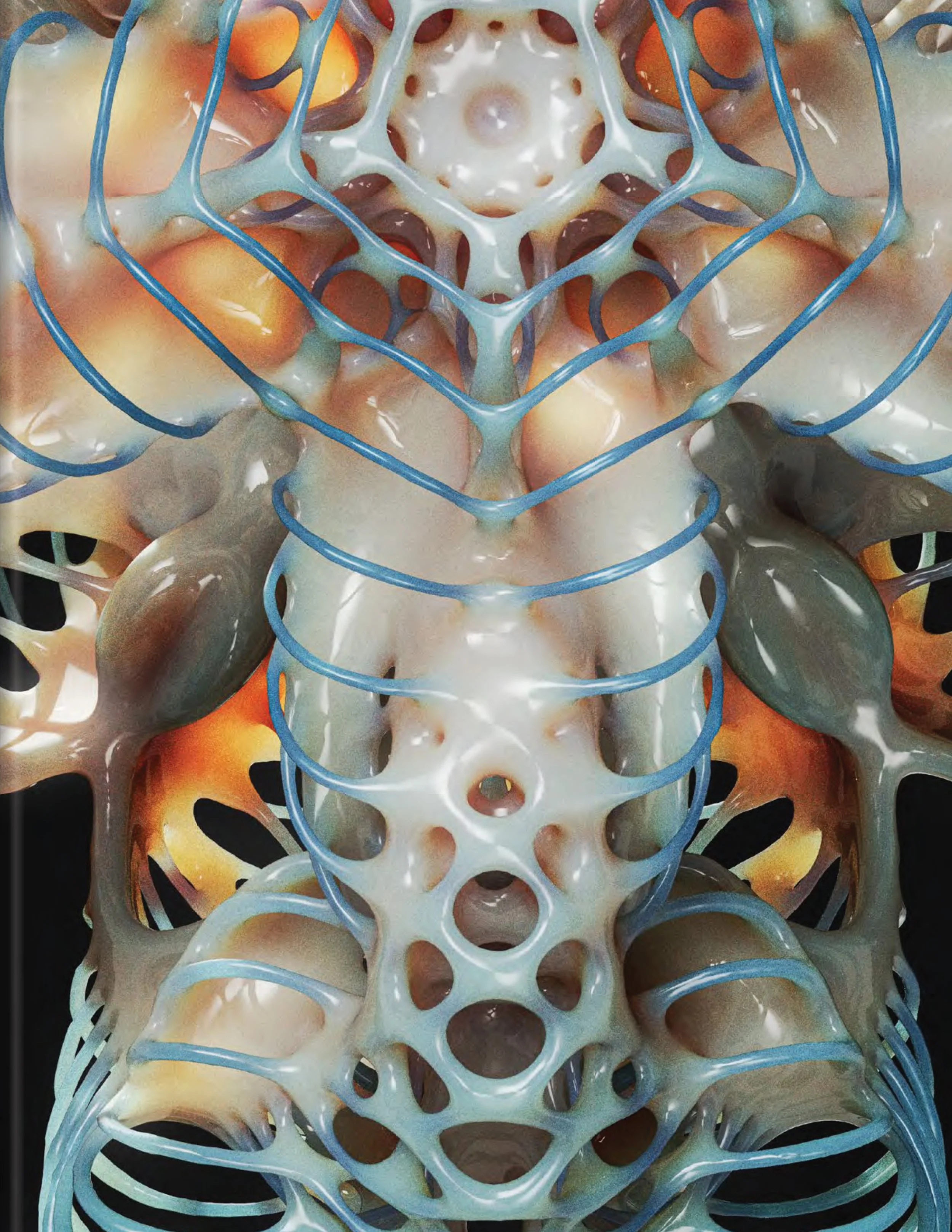
Your projects also have a very distinct, visually impactful quality. How did you develop this language?
As a child, I became fascinated with curves and organic shapes—probably because of how close to nature I was growing up. My cousin and I were amazed at how you could mathematically construct curves and other geometric principles that took nature millions of years to perfect, such as growth, translation, rotation, etc. One form in particular—the hyperbolic paraboloid—completely captured me. I kept sketching it over the years, and recently I found old drawings in which I tried to depict it. Now, as I look at the architecture I admire, I realise that shape appears again and again. So the fascination was definitely there early on.
I’ve also been very drawn to Étienne-Louis Boullée and his idea of the sublime, as well as [Immanuel] Kant’s writings on it. What fascinates me is architecture that creates awe—something larger than life, almost godlike or supernatural—through scale or geometry. Boullée’s fictional, unbuilt projects were designed to evoke exactly that feeling. Even centuries later, those drawings still embody a kind of sublime imagination that continues to inspire me.
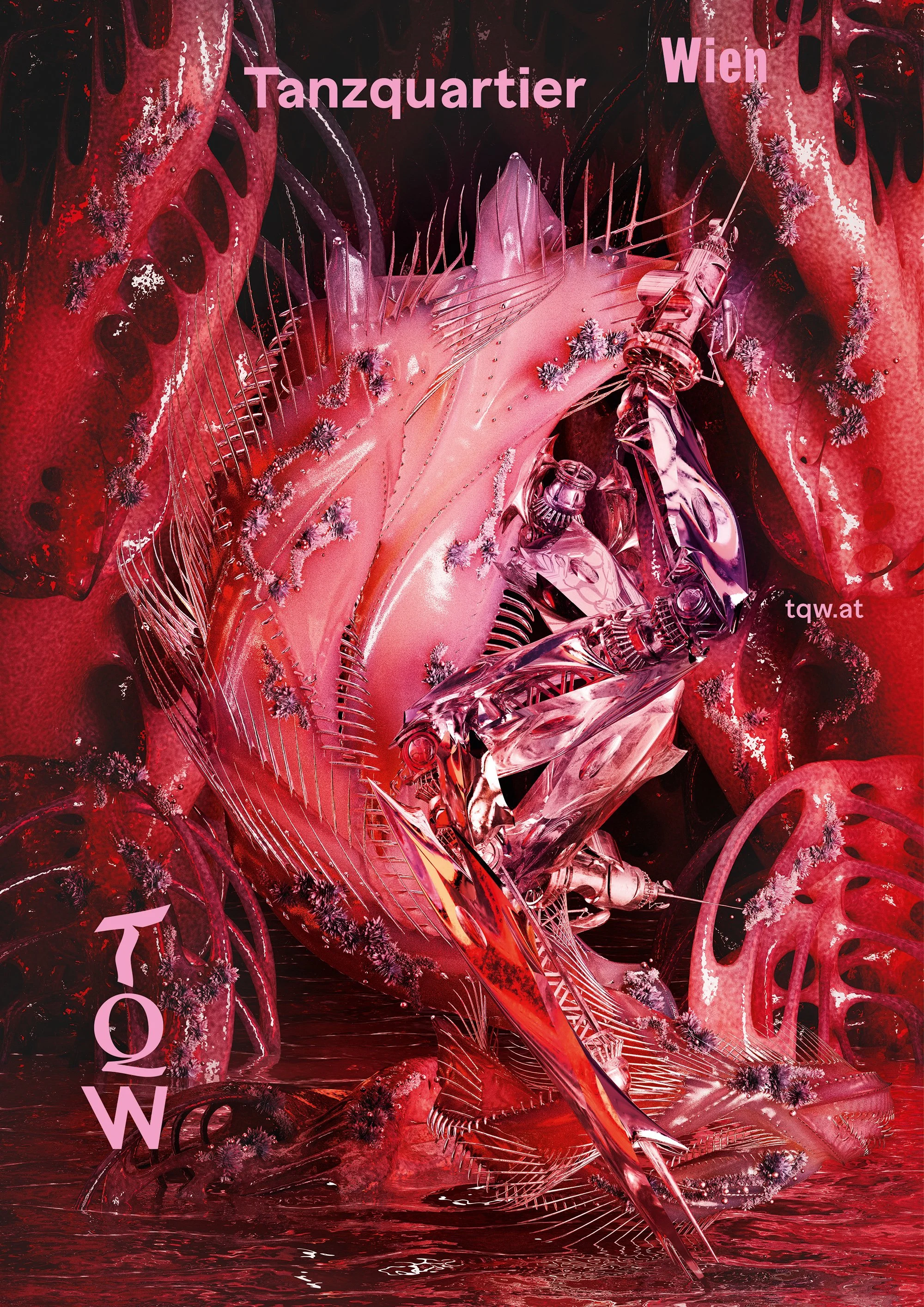
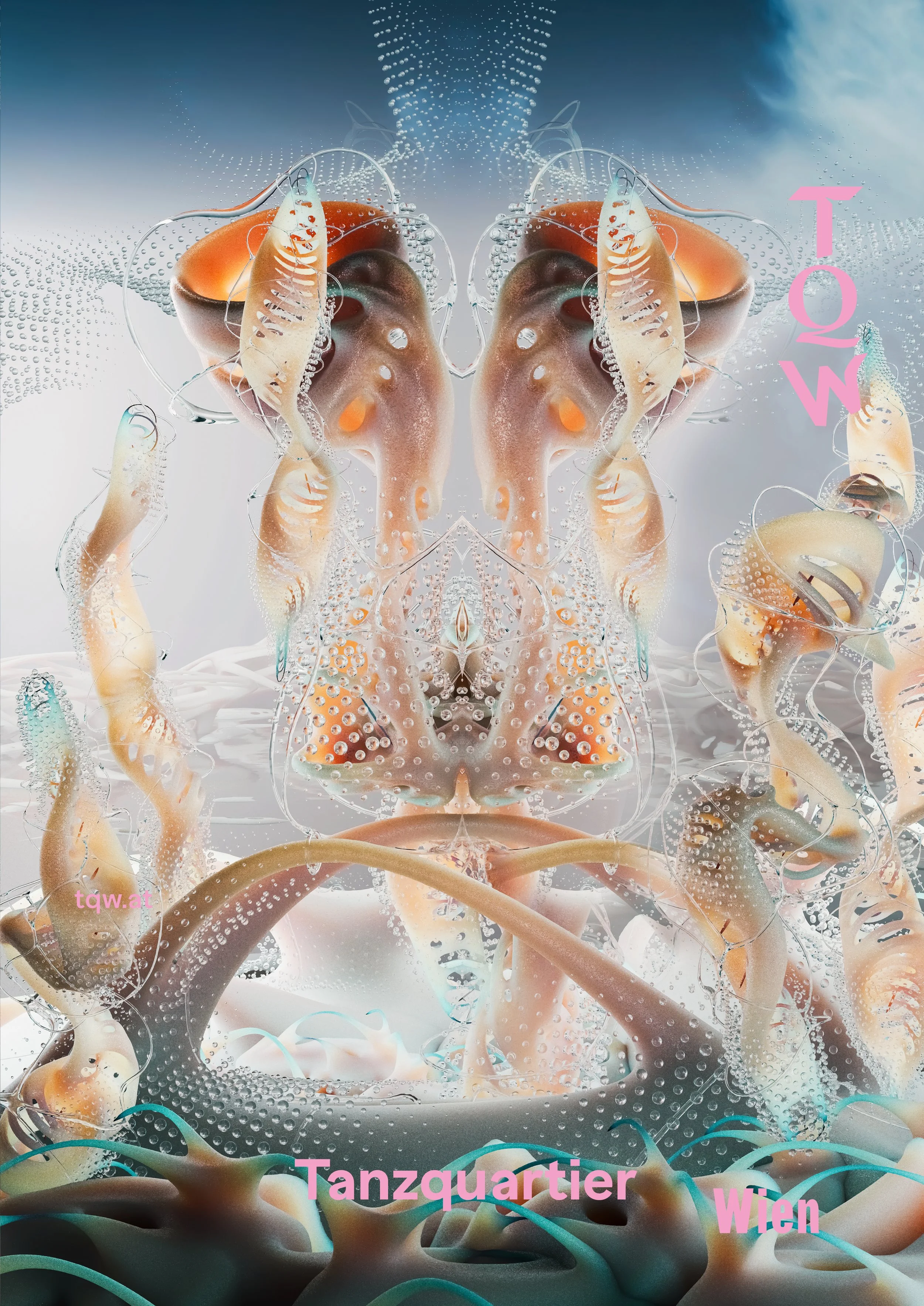
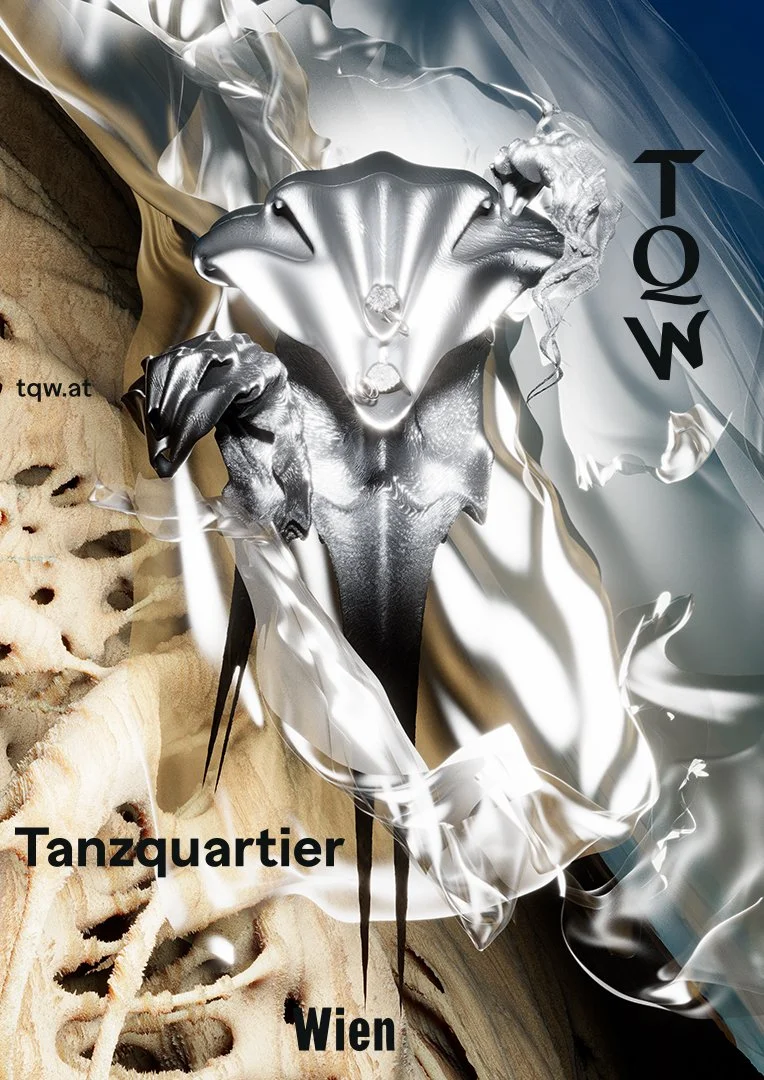
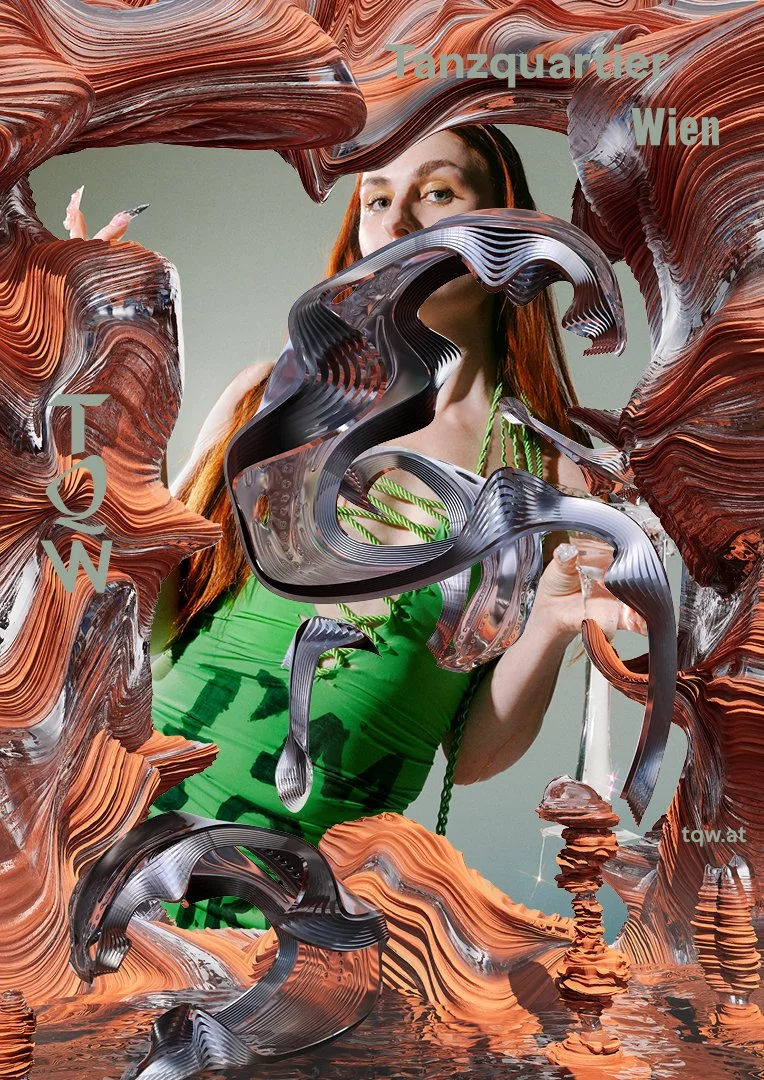
You studied across multiple disciplines.
Yes, I started in graphic design, more commercially, but at university it became more about an open, artistic view—graphic design, motion, video, film. Many professors were filmmakers, so film naturally entered my projects. Still, I always had architecture in mind. At Die Angewandte [University of Applied Arts Vienna], the school’s richness was inspiring—you could move between departments: so I ended up taking studios in industrial design (the universities speculative design department), painting and animation film.
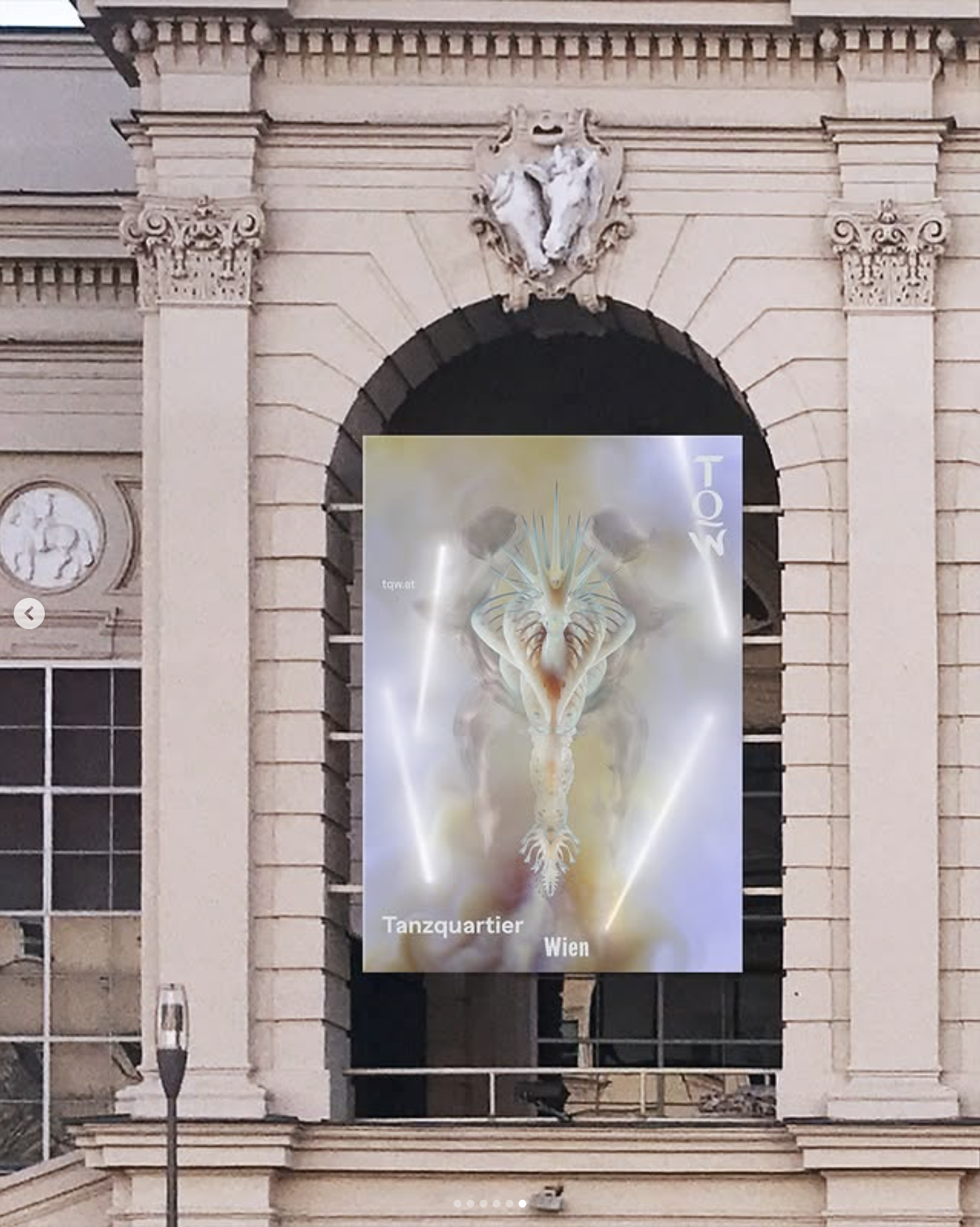
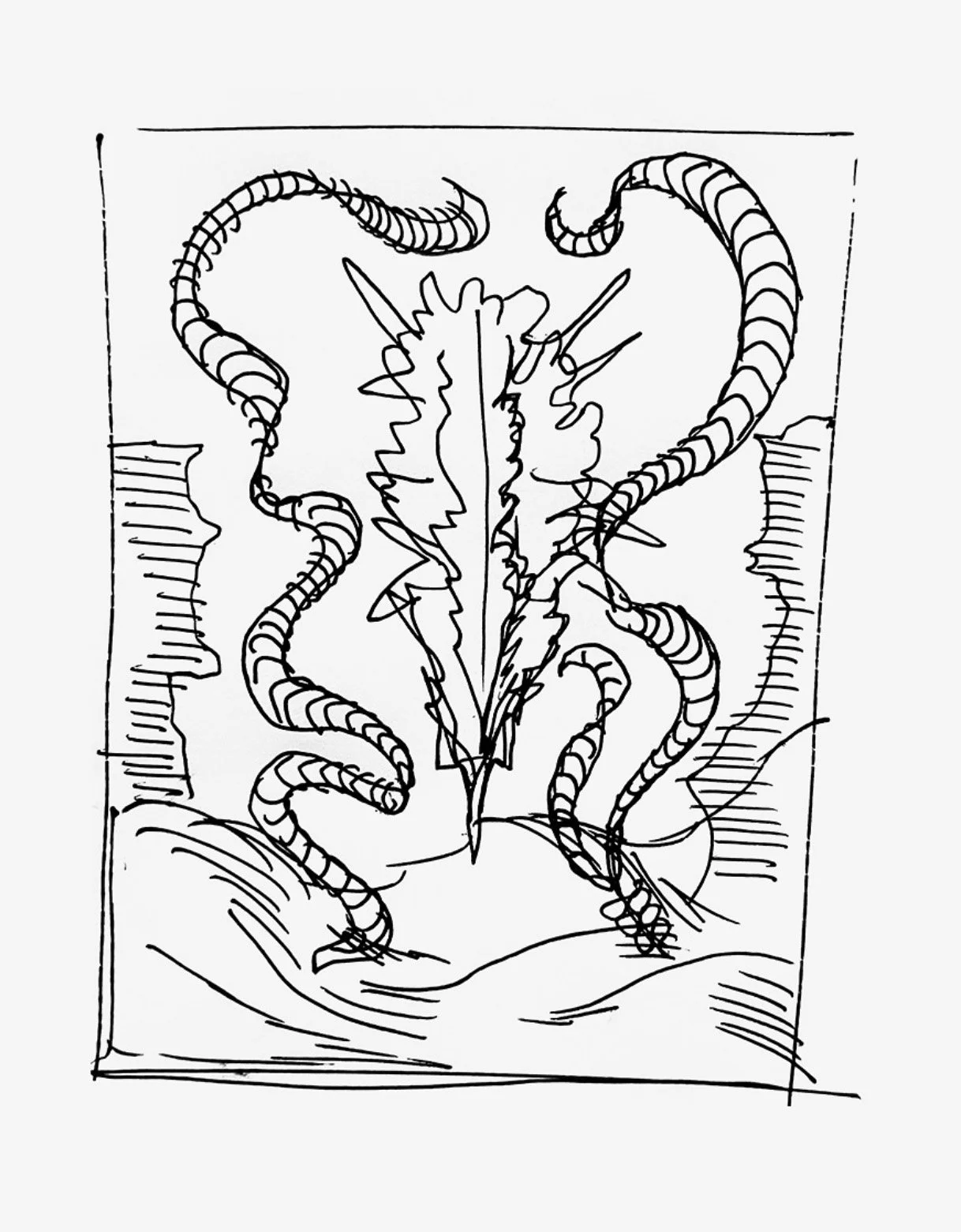
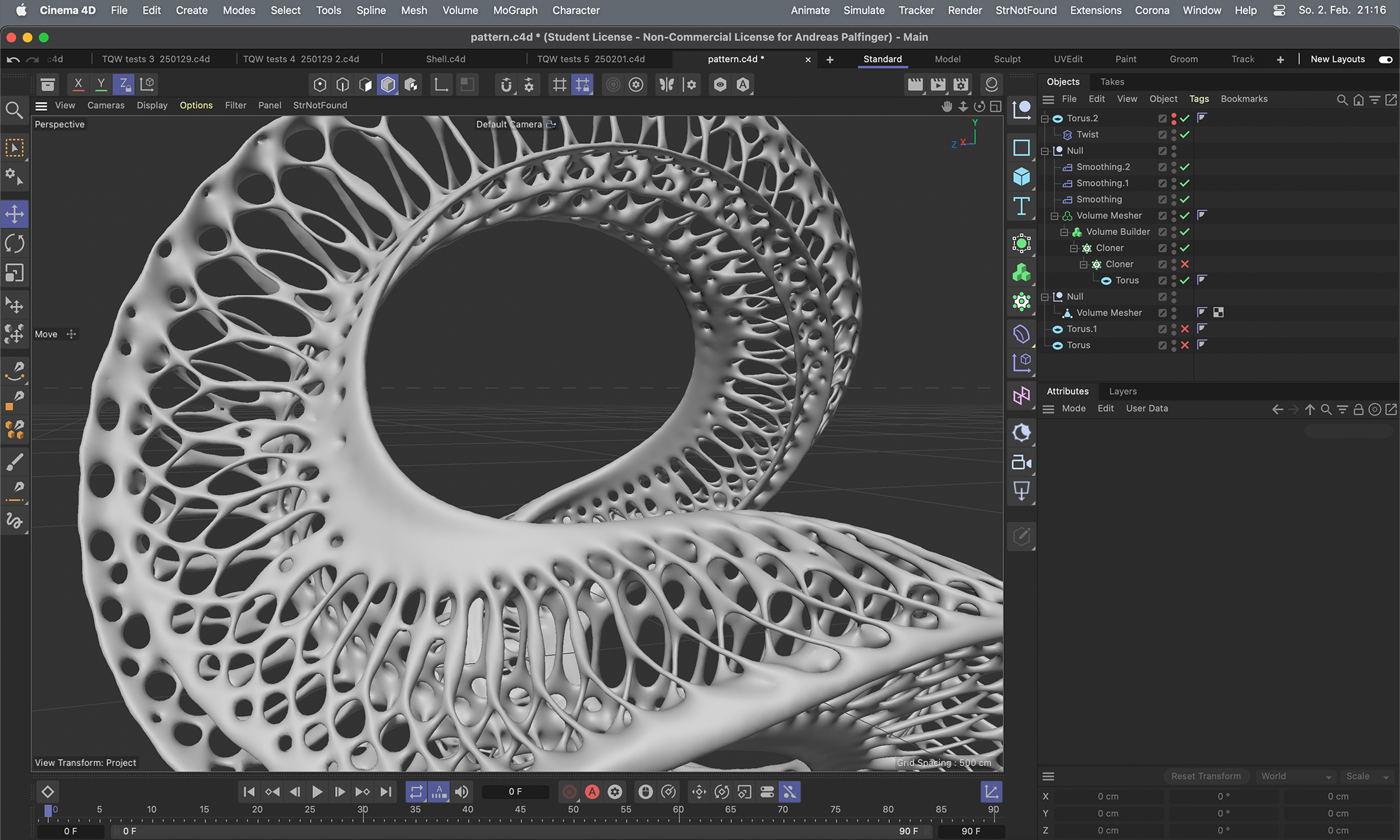
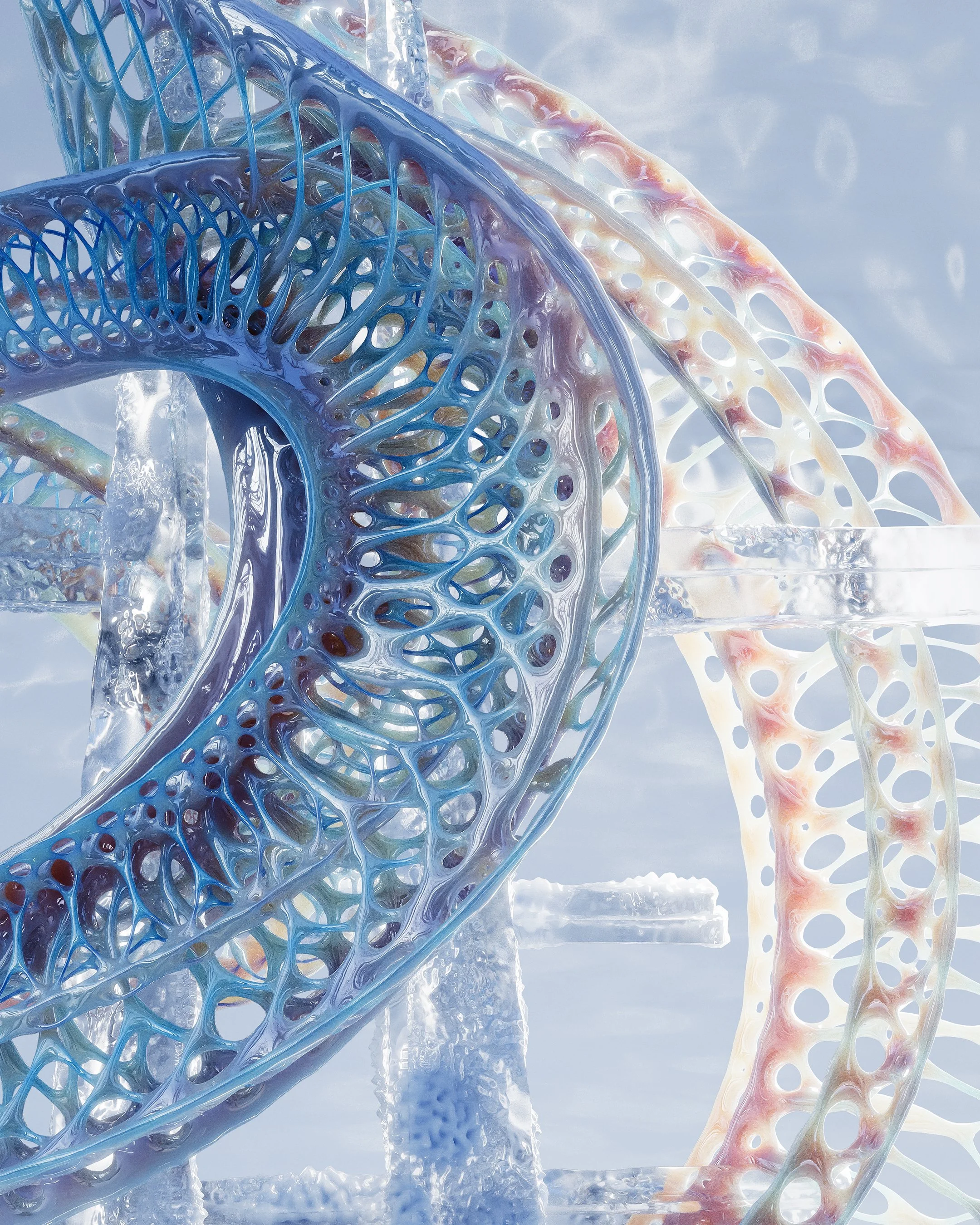
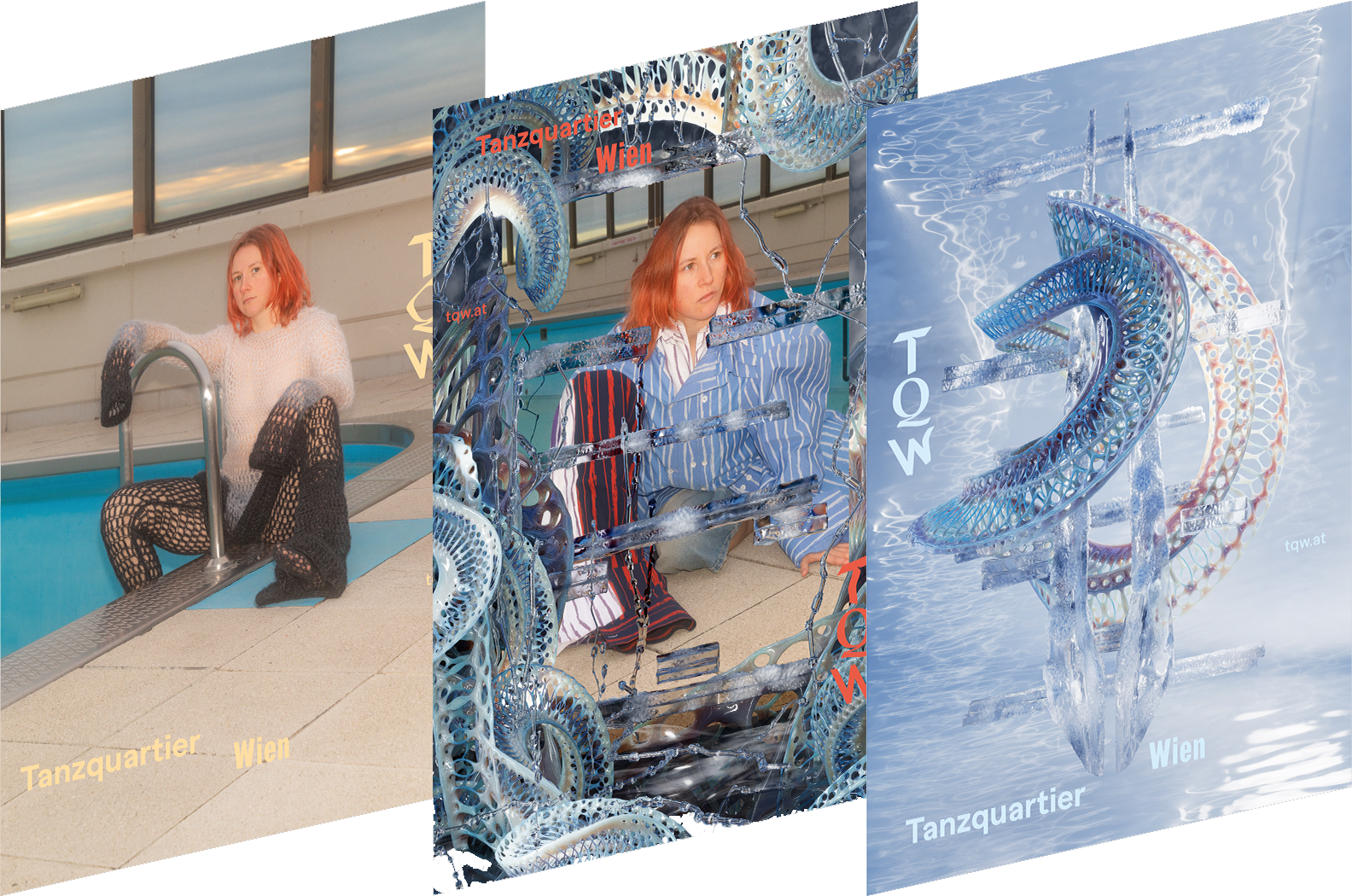
I simply gravitated towards architecture. The university lets you attend lectures from all departments, so in the second half of my studies—and in preparation to my next 3 years of architecture studies in New York—my focus of study shifted from artistic to architectural, with lectures in mathematics and geometry, theory and history of architecture, construction physics and energy design. I was especially influenced by the architecture department under Wolf Prix, which brought in figures such as Zaha Hadid, Kazuyo Sejima, Greg Lynn, Hani Rashid, and Mario Carpo. Many of my friends were in those studios, and I’m still connected with them today. That was my introduction to a futuristic, experimental architecture—rather than the practical, technical side.
I also studied at Bauhaus University, which was my proper introduction to architecture. There, we began with performance: choreographed movement, notating dance into drawings, translating movement into architectural form. It reversed the usual process—starting from motion to arrive at plans—highlighting how architecture ultimately shapes movement.
Back at Die Angewandte, I applied for a Fulbright scholarship, which brought me to Pratt Institute in New York, to finally pursue a formal degree in architecture.
how did architecture eventually become the focus?
How was pratt? How was it different from your previous experiences?
Pratt was great. It opened up many new opportunities. Its campus is located in Brooklyn and Manhattan. We had exposure to a new studio each semester, which made it very open, very different from my experience at Die Angewandte. I had older professors that were part of the avant-garde of the 80s, active urban planners and young architects in the city, and some mentors who taught some of the first paperless studios in Columbia back in the 90s.
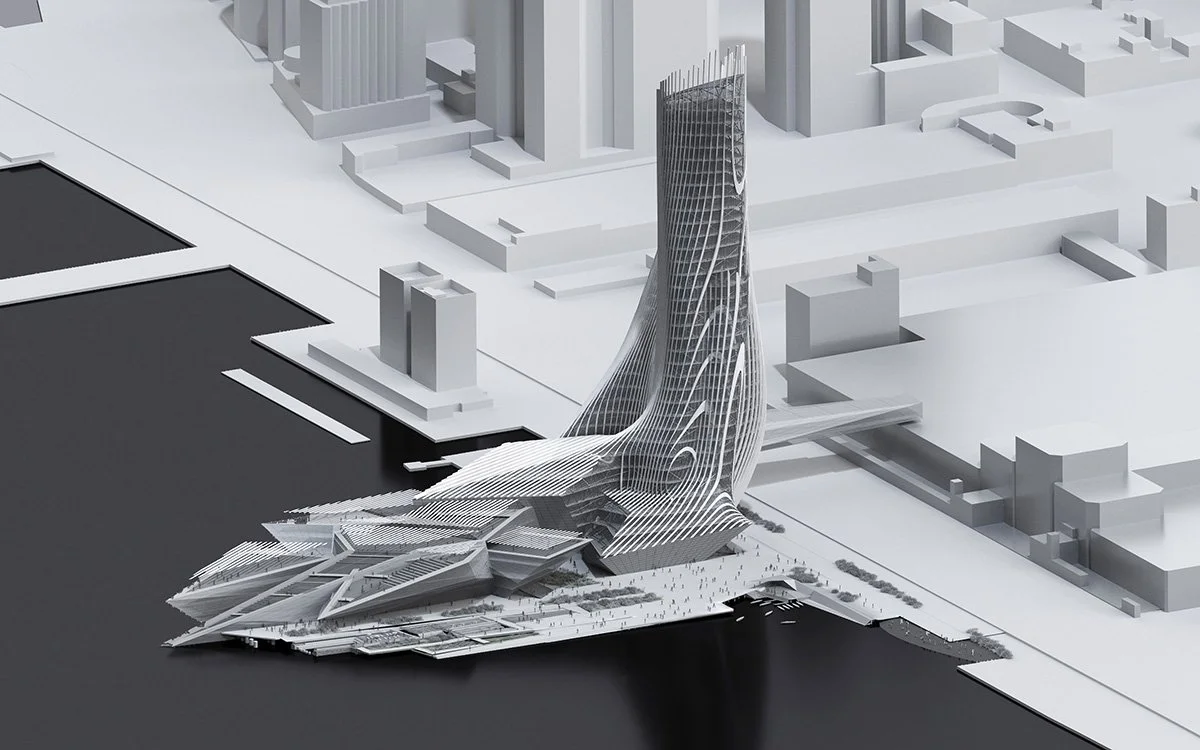
My project centred on the idea of orientation and disorientation. I asked, “Can disorientation be productive?” . In life, losing your way often leads you to places you wouldn’t otherwise reach. I called this idea “productive disorientation”—architecture that confuses or unsettles in order to open up new ways of seeing or living.
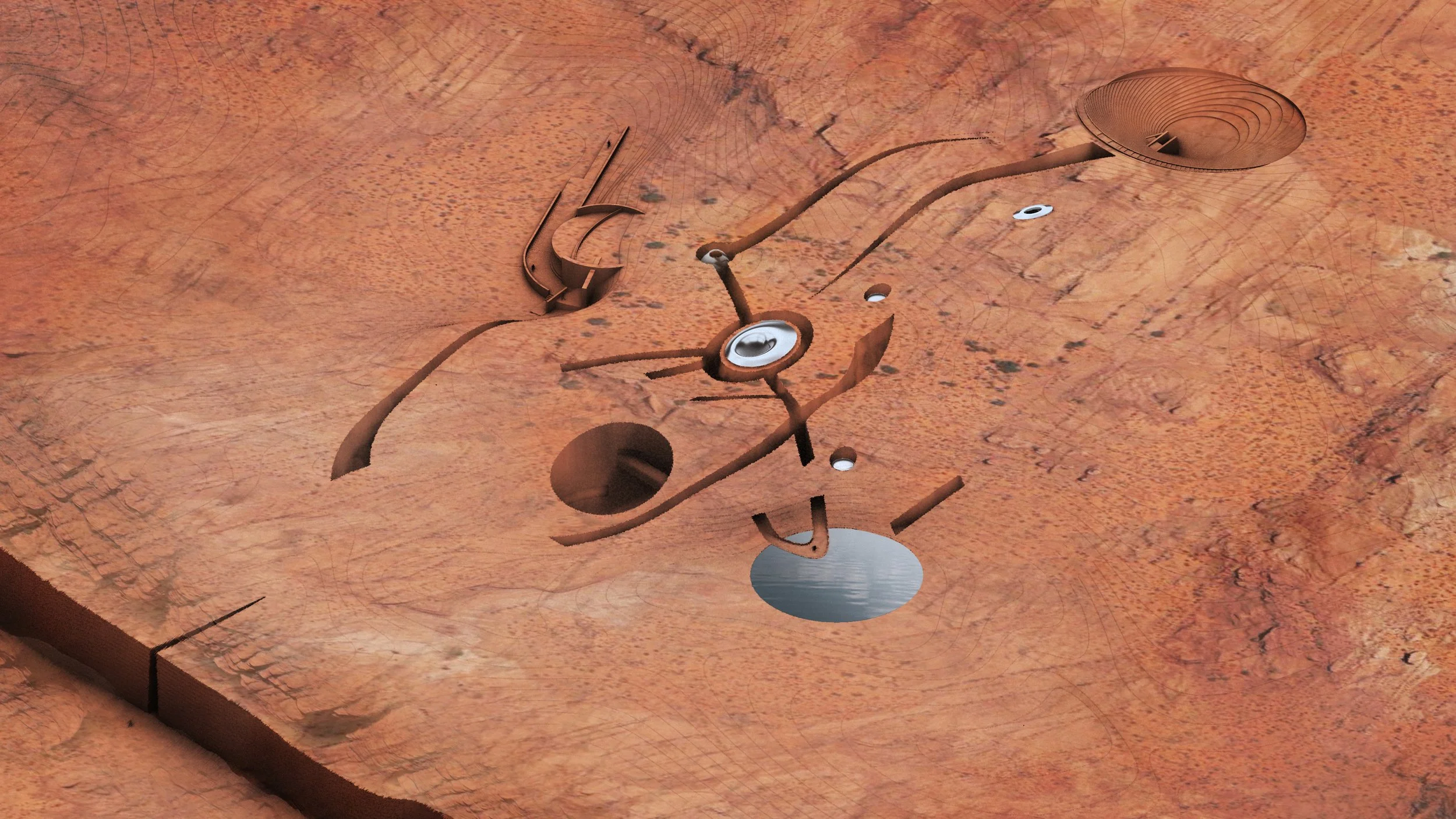
I explored it through the design of a concert hall, where the journey to the space becomes as important as the performance itself. The building’s inner logic could deliberately throw you off—for example, a space that shows only the sky, leaving you uncertain whether you’re in a city, a mountain, or somewhere else. I tested this idea by “carving” the hall into very different contexts: into ancient stone, where it creates cave-like experiences, and into a Manhattan office block, where carving collides with existing structures like subway lines or building cores, producing entirely new relationships.
People hold their opinions so strictly—“this is my view, I won’t engage with anyone who thinks differently”. Disorientation, then, can be a way of forcing us to pause, to reconsider, to see other options.
For me, the starting point was how overwhelming life feels now: constant information, overstimulation, everything moving so fast. What’s rare is time—being bored, doing nothing—because productivity is the measure of everything. You even feel guilty if a day is unproductive. Why is that?
That led me to think about how we might isolate ourselves, and how orientation can come through disorientation. Like walking a long curved path where you only see the sky, losing any sense of north or south. Or stepping out of the subway in New York, not knowing which way is uptown or downtown. In those moments of being disoriented, you’re forced to stop and really find clarity about where you are.
Where did this idea come from?
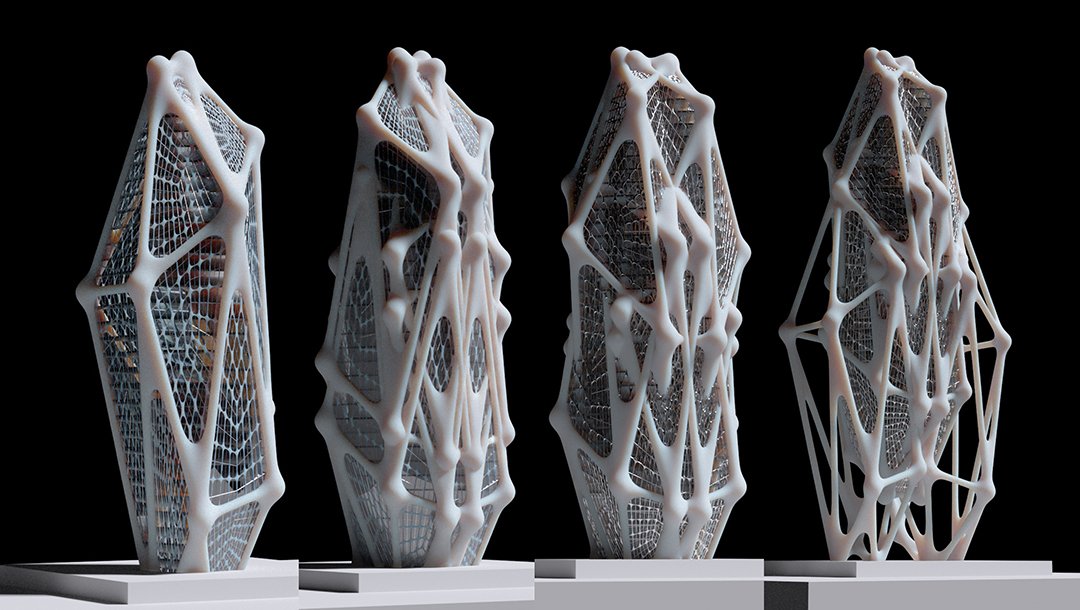
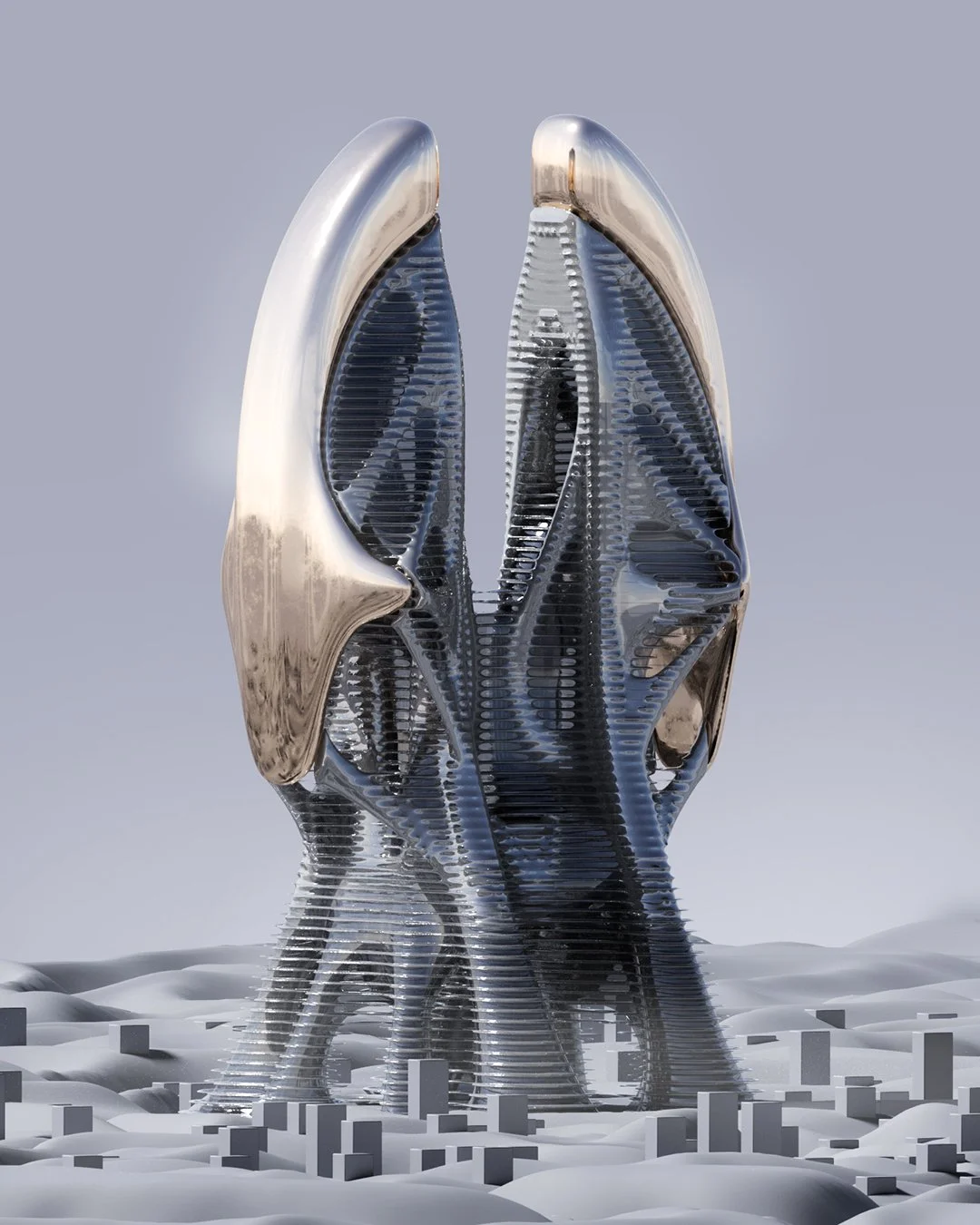
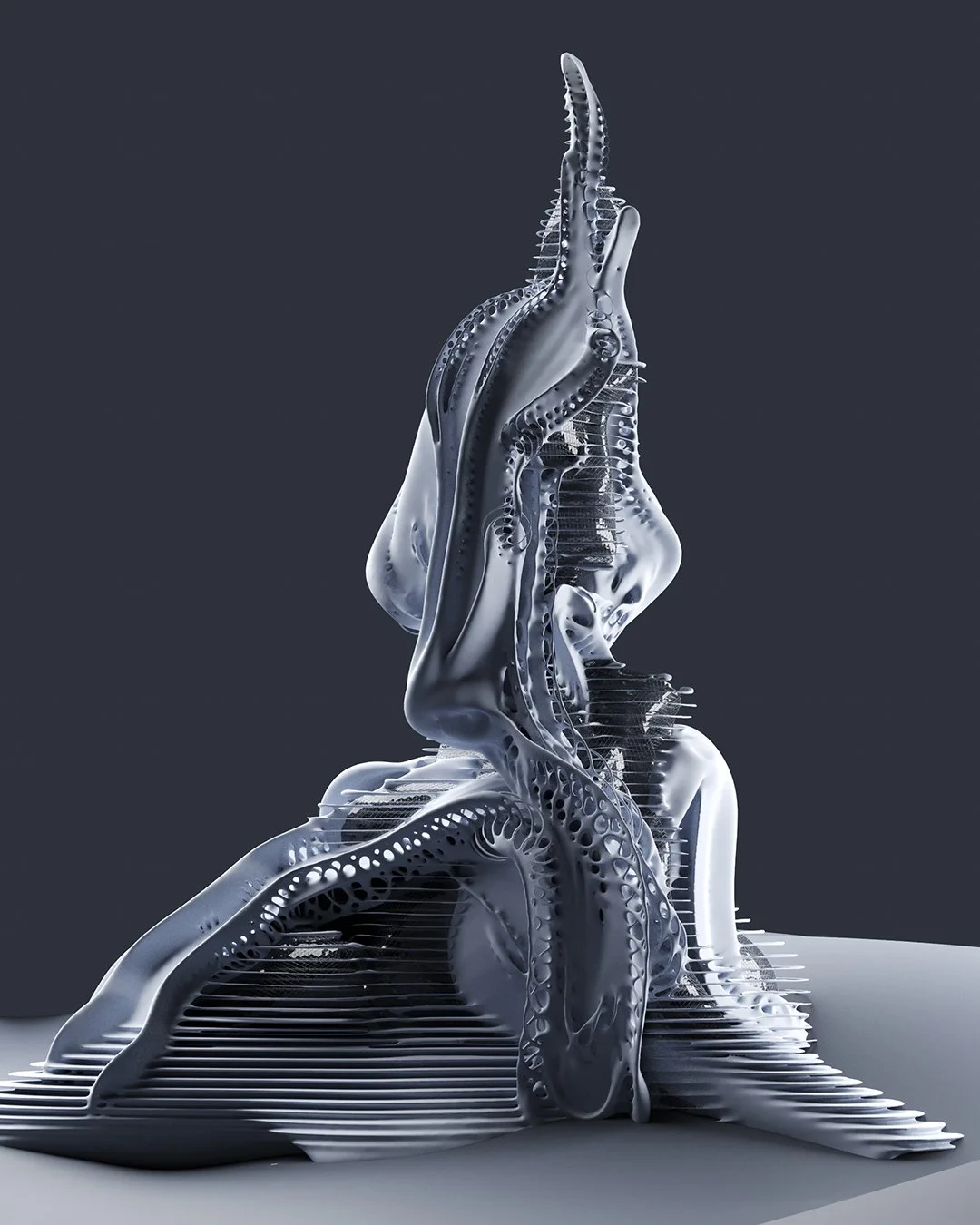
In architecture, we often try to make the distinction between images, drawings, models, etc. But you seem to work interchengeably across all of these.
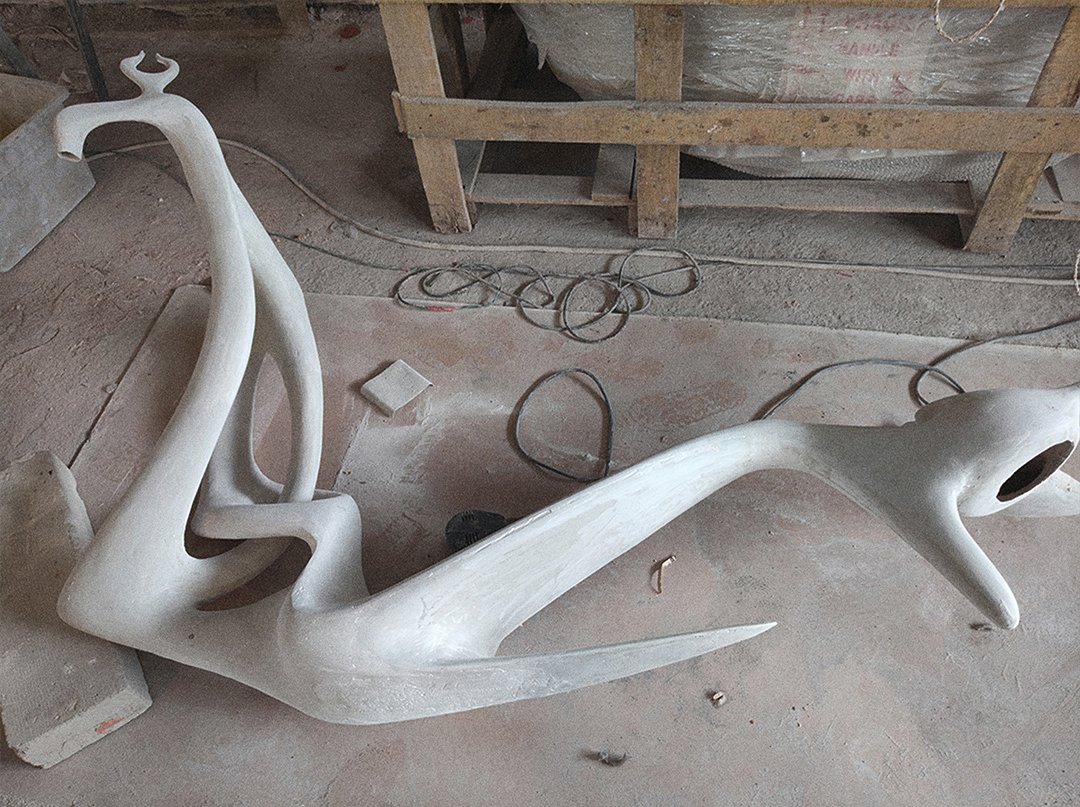
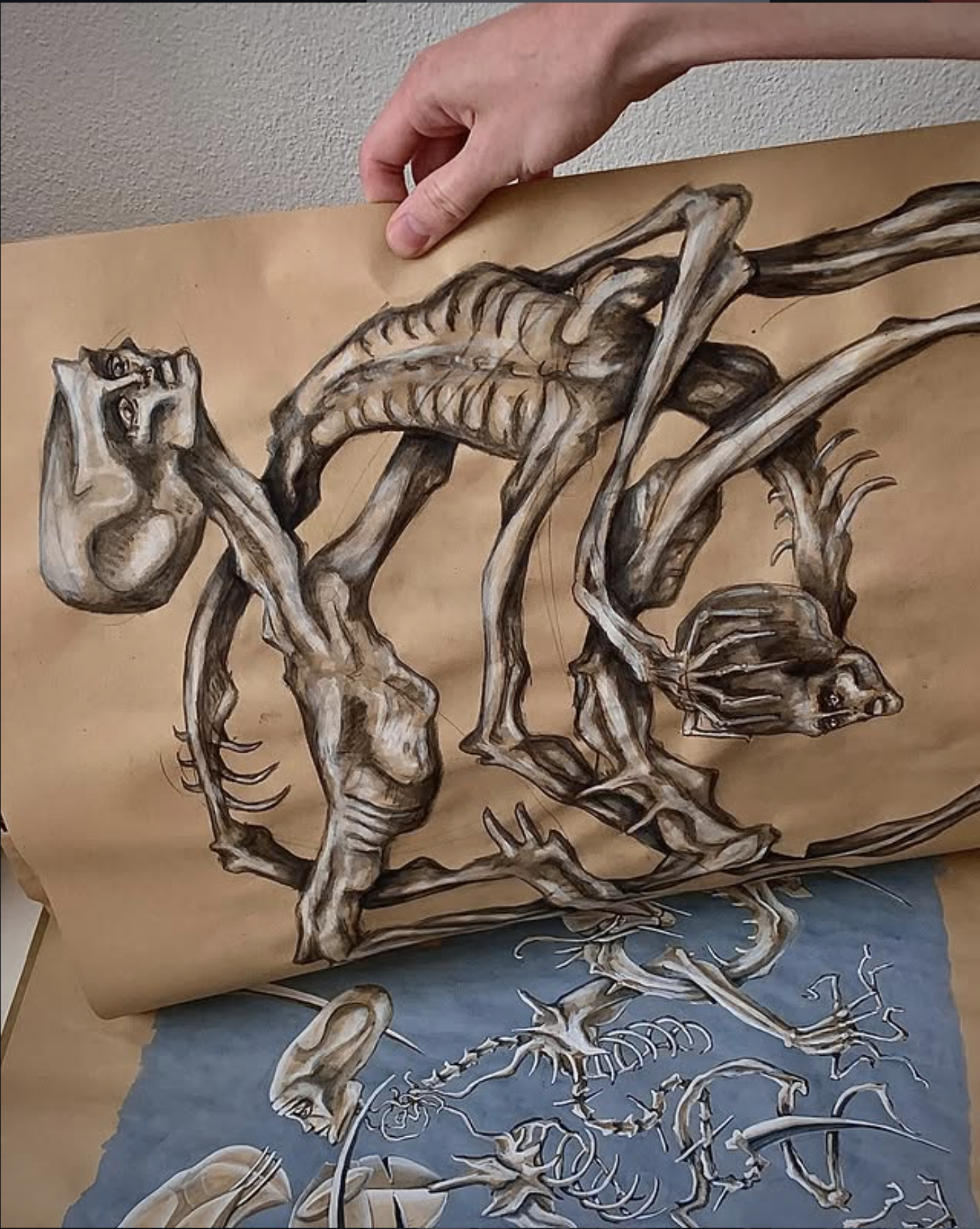
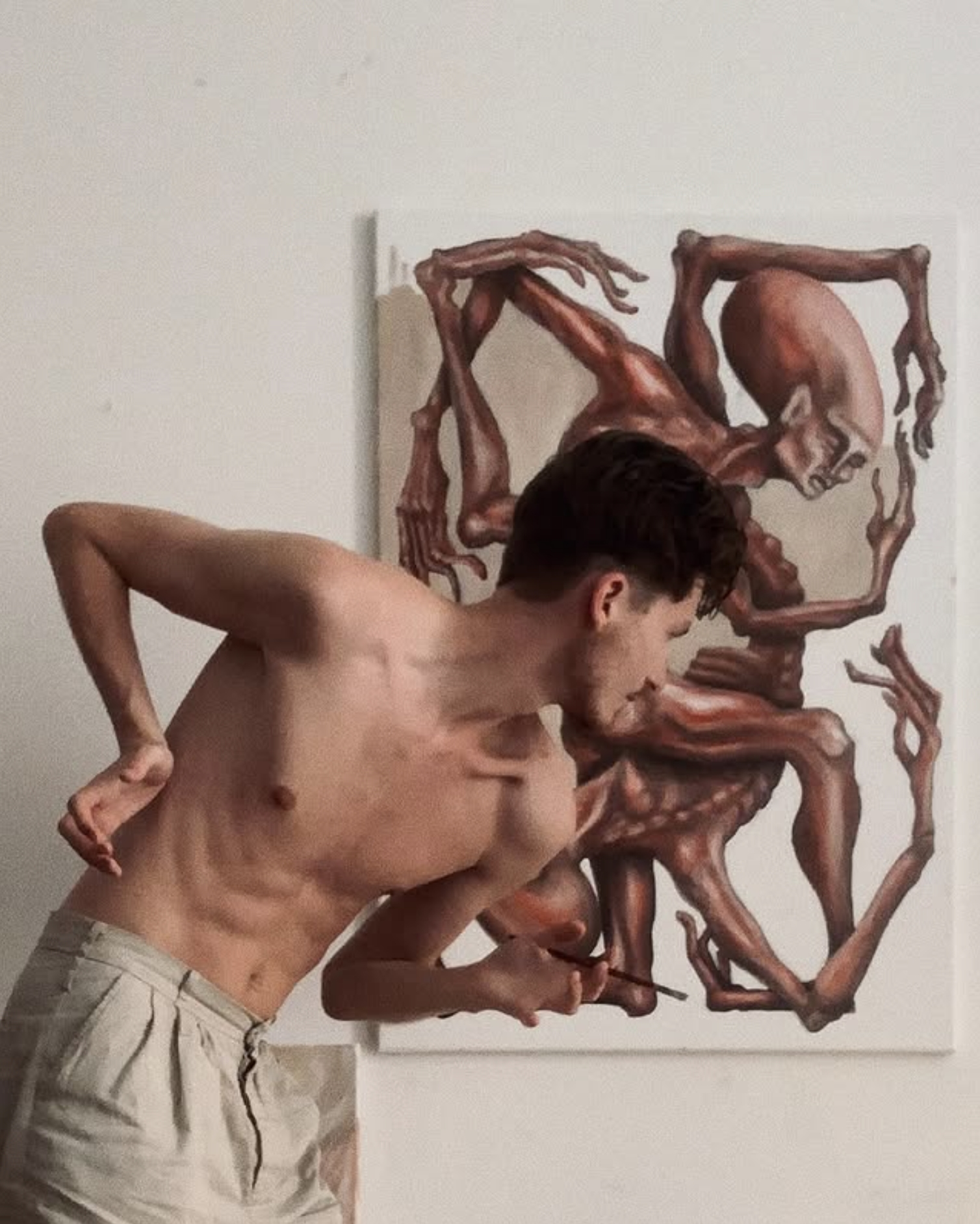
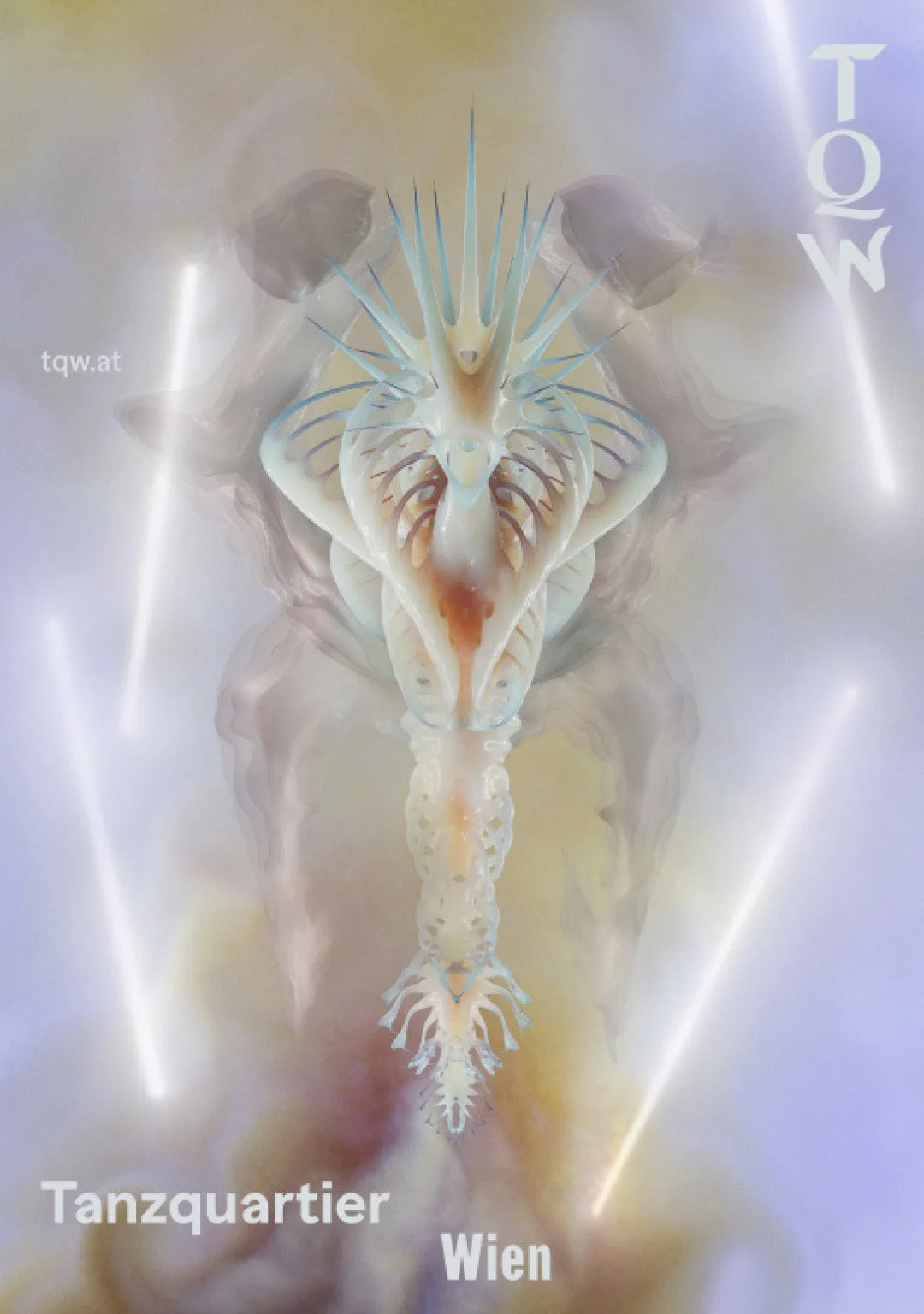
True, in my world I see all those mediums as different forms of the same work, sharing the same essence or DNA. A project itself is always bigger than just one object or one drawing—I see it as a dynamic organism. In my opinion there are infinite versions of it, that’s why I see the design process itself as extremely interesting— we can shape-shift one project, evolve it, and just like in an evolutionary tree, in the end there are many variations or mutations, except the process is non-linear. I think this comes from my background in multiple disciplines—this sometimes results in planning an oil painting with 3D software or using an animation as a base for an architectural composition.
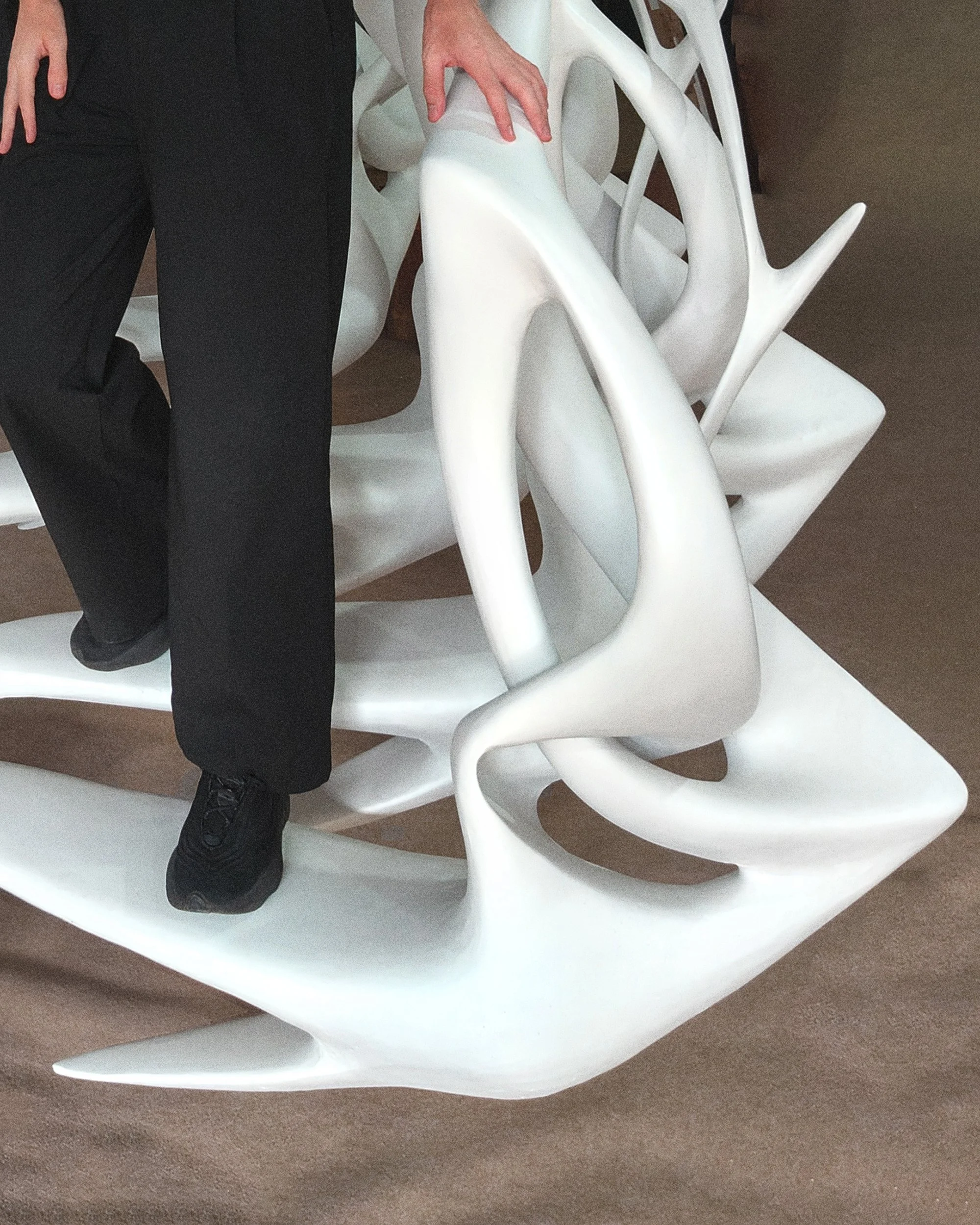
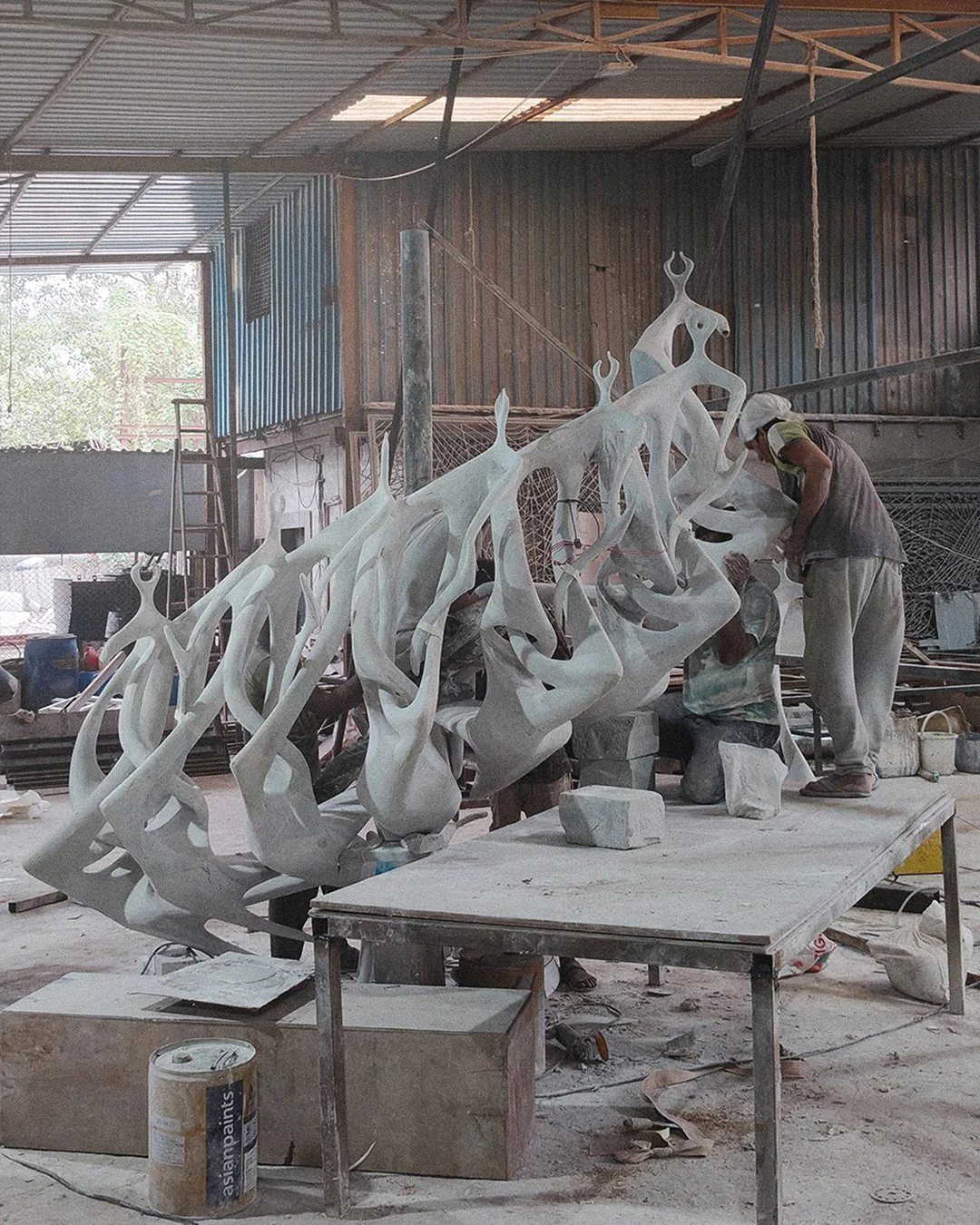
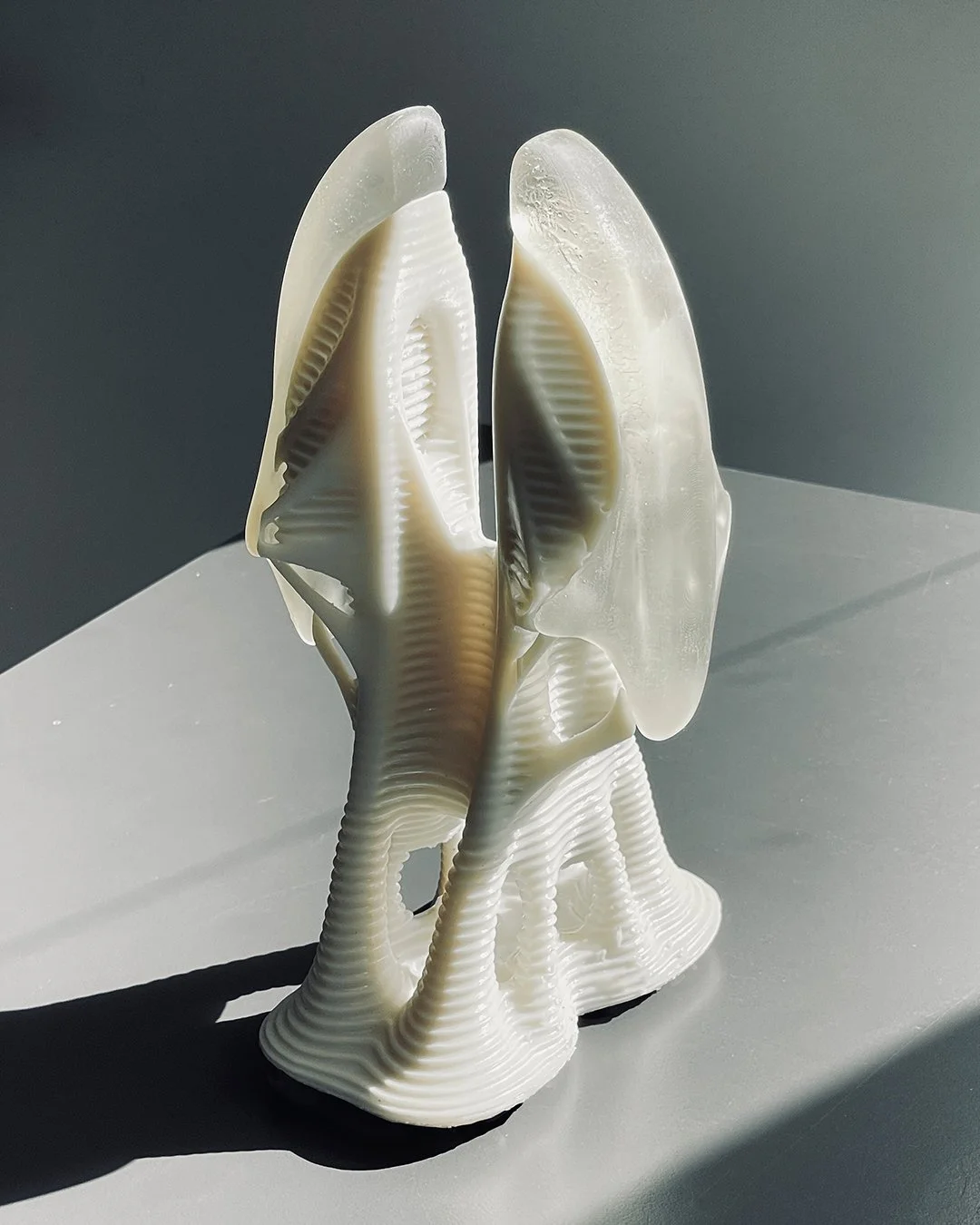
I am interested in how visual language can cross over to different media. I recently started a collection of unrelated projects of mine that speak the same language and have an upcoming exhibition called “Mutation Methods”, in collaboration with Aysin Bahar Sahin, that deals with questions of trans-disciplinarity, cross-contamination, fluid states and how an object becomes an “architectural embryo”; expressed through sculptures, large format renders, a publication and writing.