



Design practice is undergoing a radical transformation. With the emergence of artificial intelligence, complex outcomes can now be generated through something as simple as a sentence. This has provoked both fascination and anxiety: if machines can respond to our instructions and produce results we cannot entirely predict, what remains for the designer to do?
The most adventurous designers are doing what innovators have always done when confronted with new technologies: learning how to converse with them. Increasingly, this means learning how to design through instructions—codes, algorithms and prompts—and how to navigate the space between intention and outcome.
Edouard Cabay has been exploring this territory for years, with drawing at the centre of his practice. Working across the hand, computation and robotics, he constructs systems in which control is deliberately incomplete. He hacks machines designed for perfect repetition to introduce error and singularity; elsewhere, he subjects the human hand to precise instructions and repetitive movements, producing drawings that appear almost machine-made. The drawing becomes both an outcome and a record of the process that produced it—and the distinction between human and machine begins to blur.
At the centre of Cabay’s practice is therefore not the machine itself, but the relationship between drawing and instruction: the framework through which an action is set in motion without its outcome being entirely predetermined. His work explores this threshold between control and freedom, proposing a role for the designer that feels increasingly relevant today: not simply designing the result, but designing the conditions from which it can emerge.
© Edouard Cabay
Interview by Marcela Spadaro | Edited by Candela De Bortoli | Images and videos courtesy of Edouard Cabay
You trained as an architect, but your practice now sits increasingly within art. How do you define yourself today?
Edouard Cabay: As both, although I am increasingly presenting myself as an artist because of the structure of the projects I make. They don’t result in architectural interventions, nor are they about providing a service. They are often self-initiated, and drawing is frequently the outcome rather than a means to something else.
At the same time, I develop these projects with an attitude and a set of tools that were transmitted to me through architectural education and practice. Drawing is important, but so are making, materials, and the details of the installations I build. More fundamentally, I think I am very attached to precision. My work requires a high degree of calibration, so I work extensively with measurement, geometry, systems, units, and rules. All of these things come, in one way or another, from an architectural culture.
For instance, it is for that reason that I enjoy teaching in architecture schools. I like the simultaneous engagement with technique and conceptual thinking, and the way creative development can take place within a rigorous methodological framework.
I have had a few experiences teaching in art schools, and I sometimes found it more difficult. My impression was that students were often immediately looking for their own space, trying to emancipate themselves from the brief or from the teacher. In architecture education, students seem more willing to work within the framework and the rules of a brief, and then look for singular solutions within them. That relationship between constraint and freedom is something I find very productive, both in teaching and in my own work.
So, when it comes to defining myself, I guess I will always hesitate. We are often asked to introduce ourselves in one word, and I am never quite sure whether “artist” or “architect” is the more appropriate one. The most accurate answer is probably somewhere between the two.
Perhaps it is a new breed of creator, one that does not fit completely into either category. Has it become easier for you to claim the identity of artist?
EC: I am comfortable, and uncomfortable, with both. I am an architect who works very differently from what people expect an architect to do, and I am an artist who was not trained as one, carrying a certain imposter syndrome.


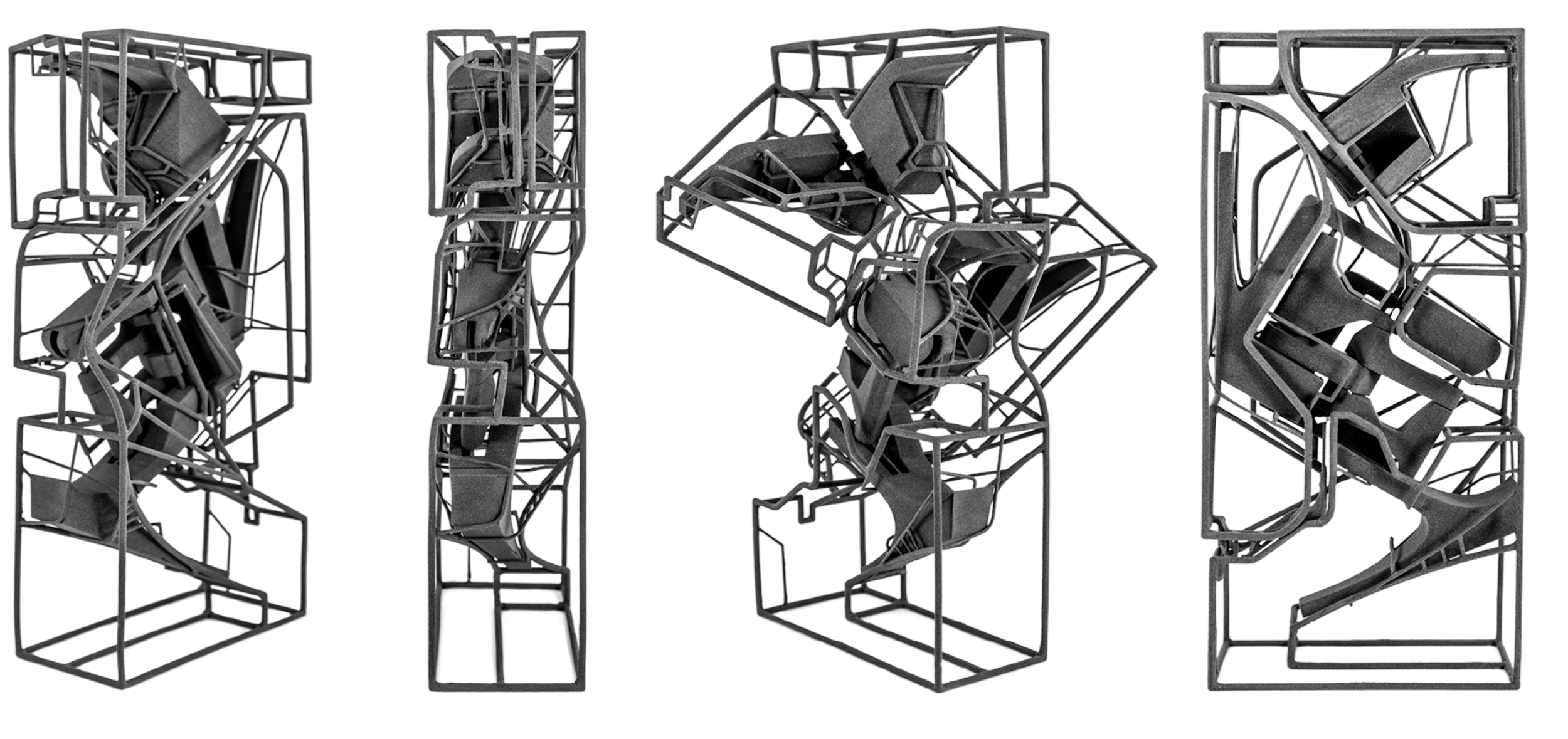
IMAGES & VIDEO ABOVE, LEFT TO RIGHT, TOP TO BOTTOM: ‘TOMOROW’S STORIES ‘, ‘WHERE THE CITY CAN’T SEE ‘, ‘TOMOROW’S STORIES ‘, ‘WHERE THE CITY CAN’T SEE ‘ © LIAM YOUNG
Drawing seems to sit at the centre of everything you do. Is it a tool in the process, or is the drawing itself the work?
EC: Drawing is central to my work. It can serve as a vector towards something else, as it often does in architectural practice, or drawing itself can be the final subject.
The drawings I make are not instructions for the construction of something, nor do they aim to represent something that already exists. I use drawing as a way of tracing things, of revealing something that happens over time. I am very attached to the notion of emergence: using drawing to create surprise, unexpectedness, and indeterminate outcomes.
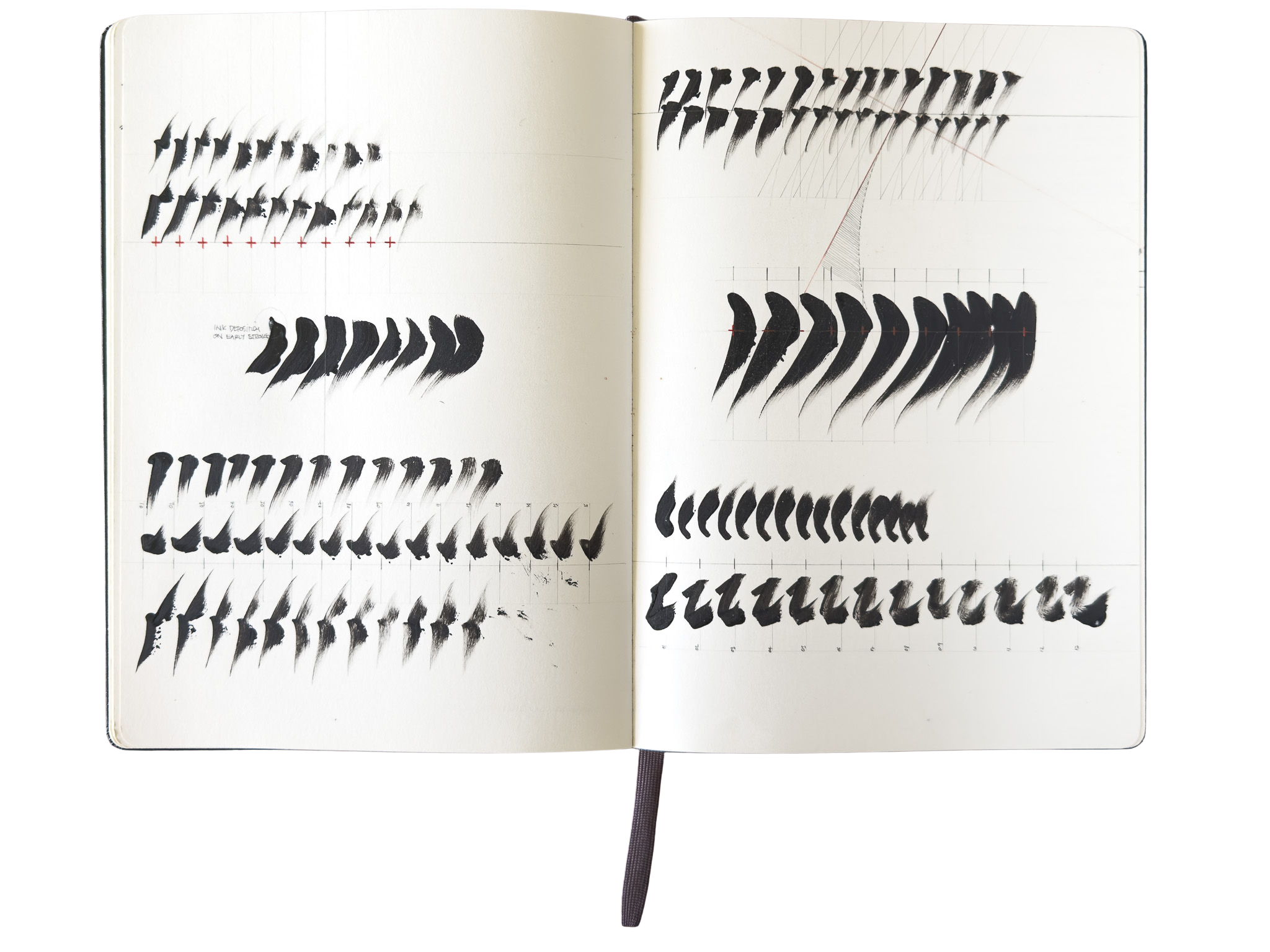
A lot of work therefore precedes the drawing itself: constructing a machine, inventing a protocol for someone or something else to draw, writing code. These processes tend to lead to drawings that are strange, singular, and difficult to anticipate.
This means that the invention happens in two places: in the drawing itself, but also in the way the drawing is made. I am often asked which of the two is more important. It is a question I cannot really answer. They both need to have their own value, and both need to give pleasure when they are looked at.
I think a lot of these questions about how a drawing is made, rather than only what it looks like, come from my experience of architecture school.
This comes from questions I already had during architecture school. I studied at the AA in London between 2000 and 2005, at a time when some studios were strongly embracing the computer as a creative tool, while others were cultivating knowledge, savoir-faire, and the intelligence of hand drawing, manual detail, and craftsmanship. It might not have been quite as clear-cut as I remember it, but I often perceived these two domains as being in opposition. I was very drawn towards the rapid arrival of new computational and fabrication tools, but at the same time I struggled to find a place for my hands within this new landscape.
Now, after all these years, the opposition I seem to have constructed for myself seems much less interesting. I am more interested in understanding how the hand and digital tools can relate to one another, while making sure that knowledge we already have—including knowledge transmitted through generations of practice—remains relevant within contemporary processes. When I explore a new technology, I sometimes find myself running towards it and forgetting everything that already exists.
For the last 25 years, I have been trying to identify what can bring the hand and new technologies together, and what each can contribute to the other. Computers, software, programming, robotics, prototyping - all of these can be sources of pleasure and discovery. I find it a shame when using one tool means rejecting another.
What does the hand give you that a digital or robotic tool cannot?
EC: The hand is so sophisticated. It is the tool most directly connected to our brain!
I once responded to a discussion about schools in Finland allowing children to work directly on screens rather than developing handwriting. My thoughts led me to a little project: I asked my seven-year-old nephew to write the title of an article about the subject, and then, using a robotic arm at IAAC, we reproduced his handwriting. Suddenly, a large industrial machine was reproducing the handwriting of a child, complete with imperfections, mistakes, hesitations, and uncertainty. For me, it was a way of showing that the answer is not to choose one side or the other, but to look for what can happen between them.
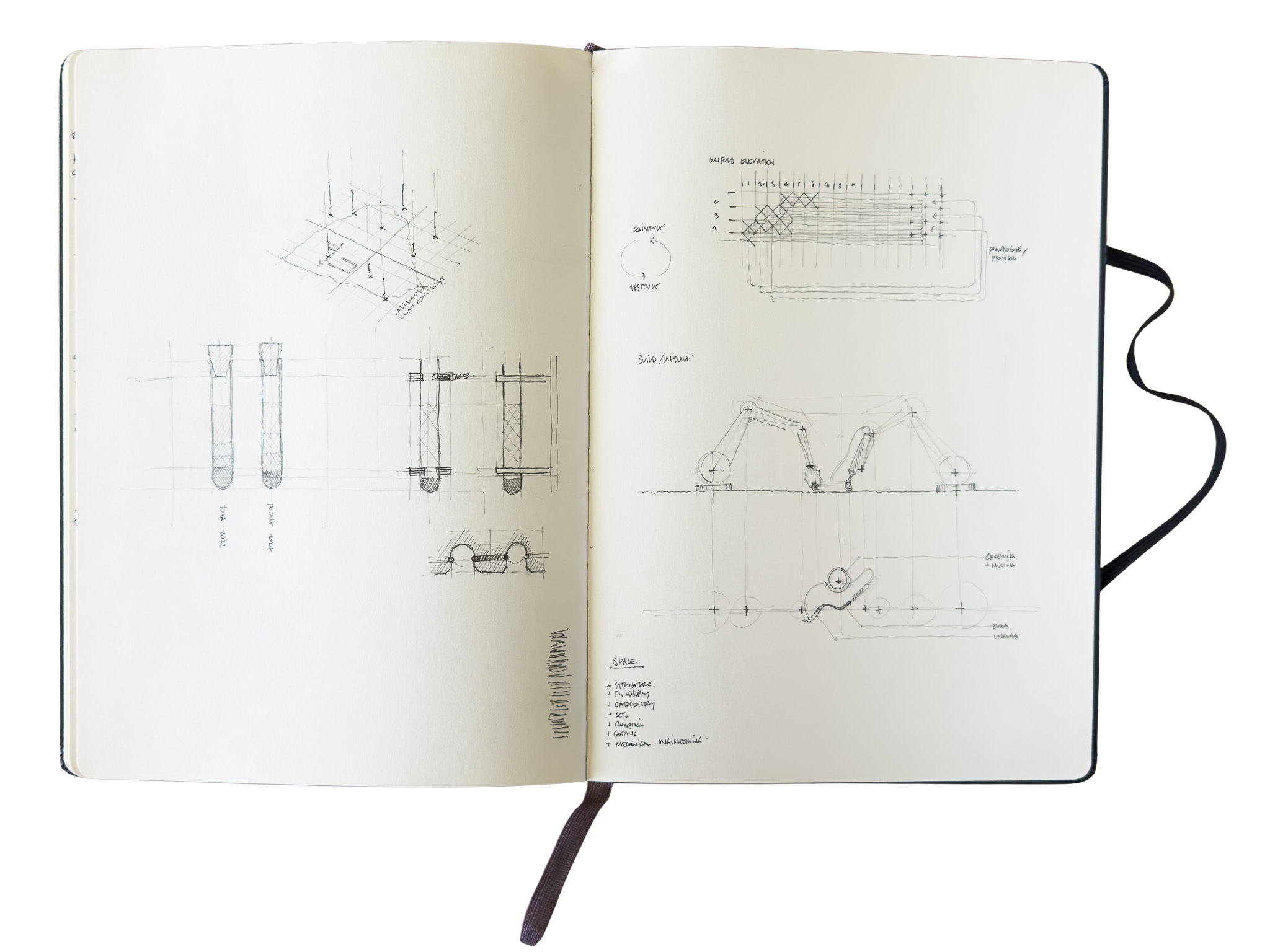
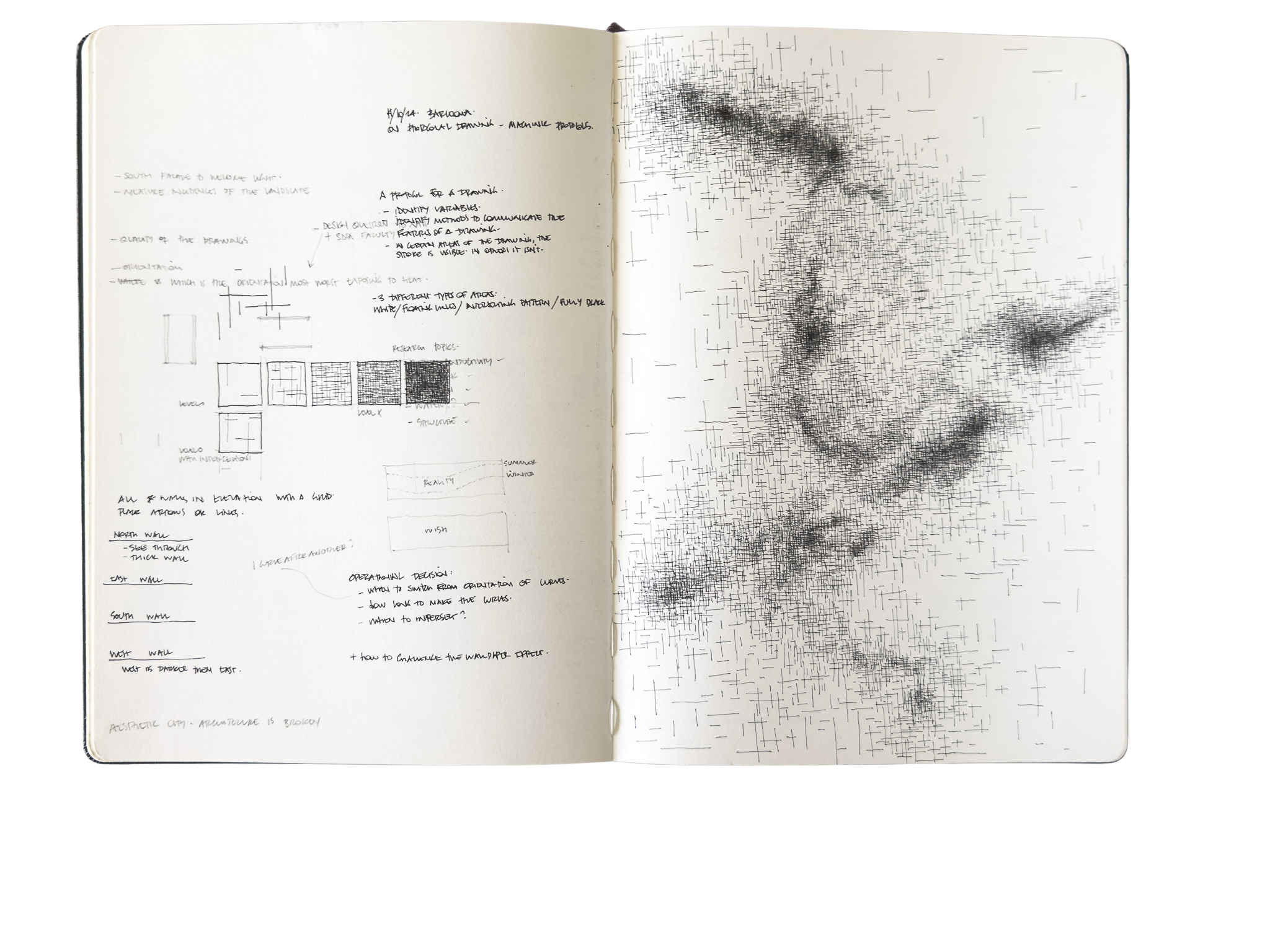
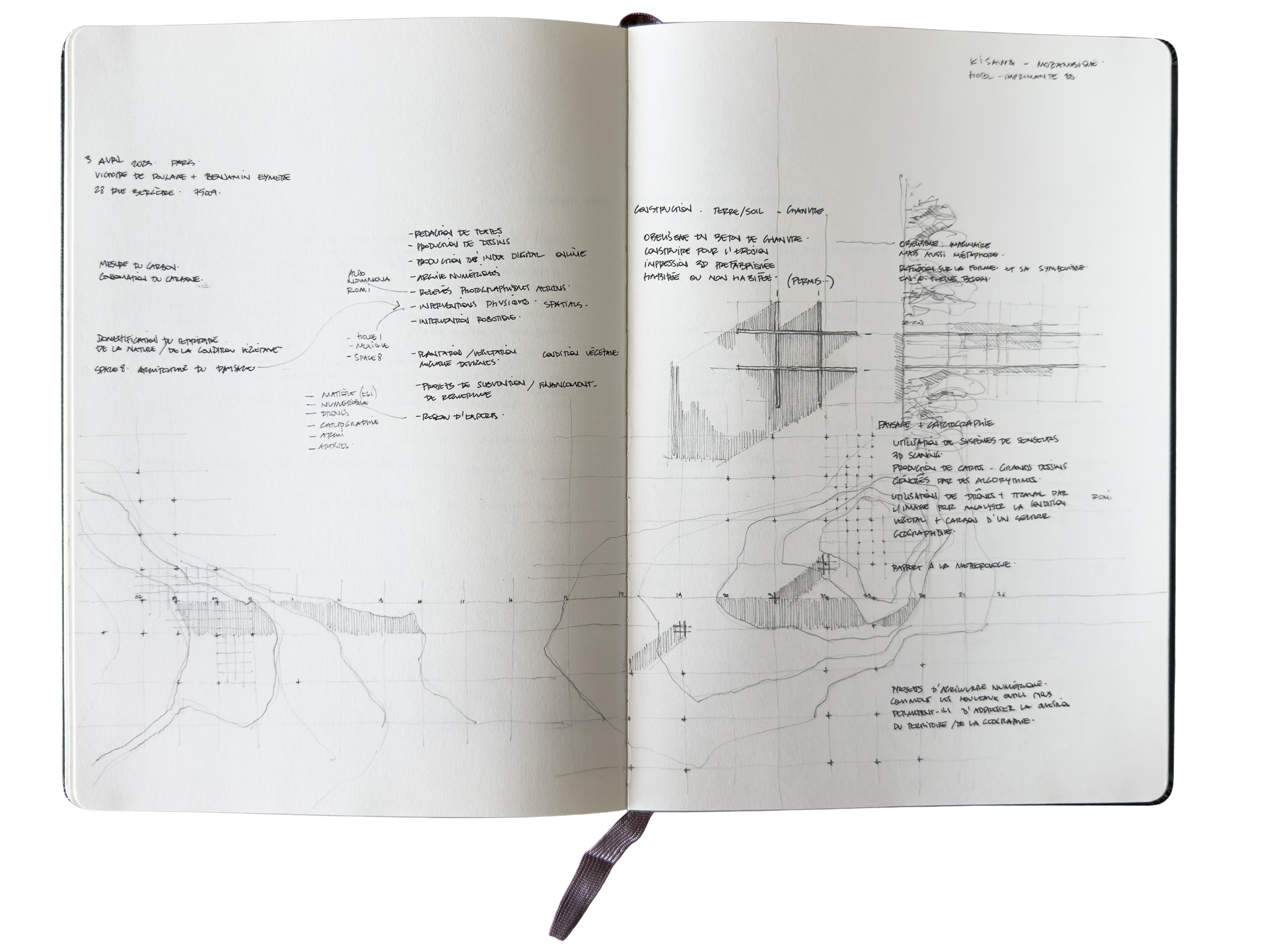
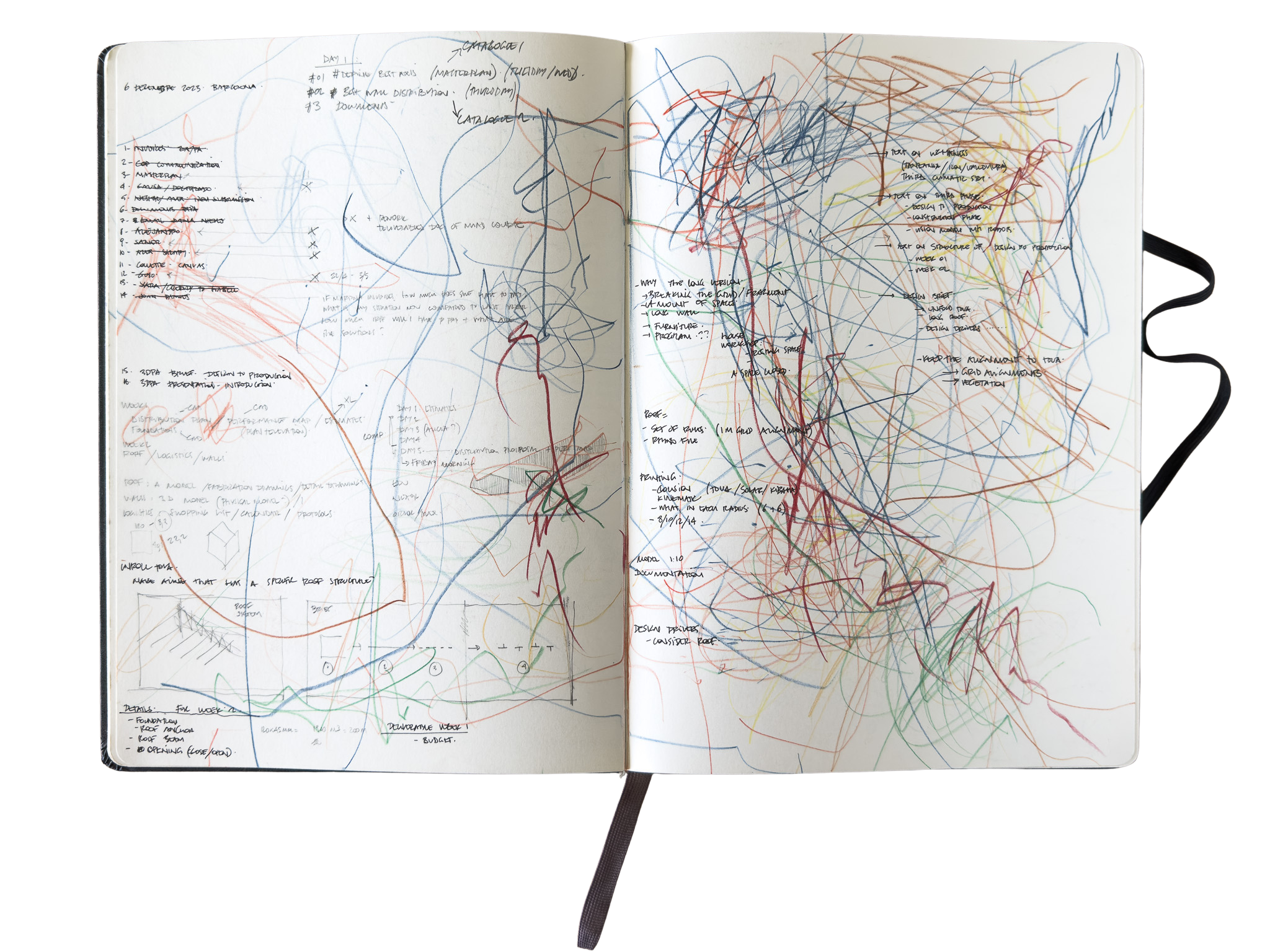
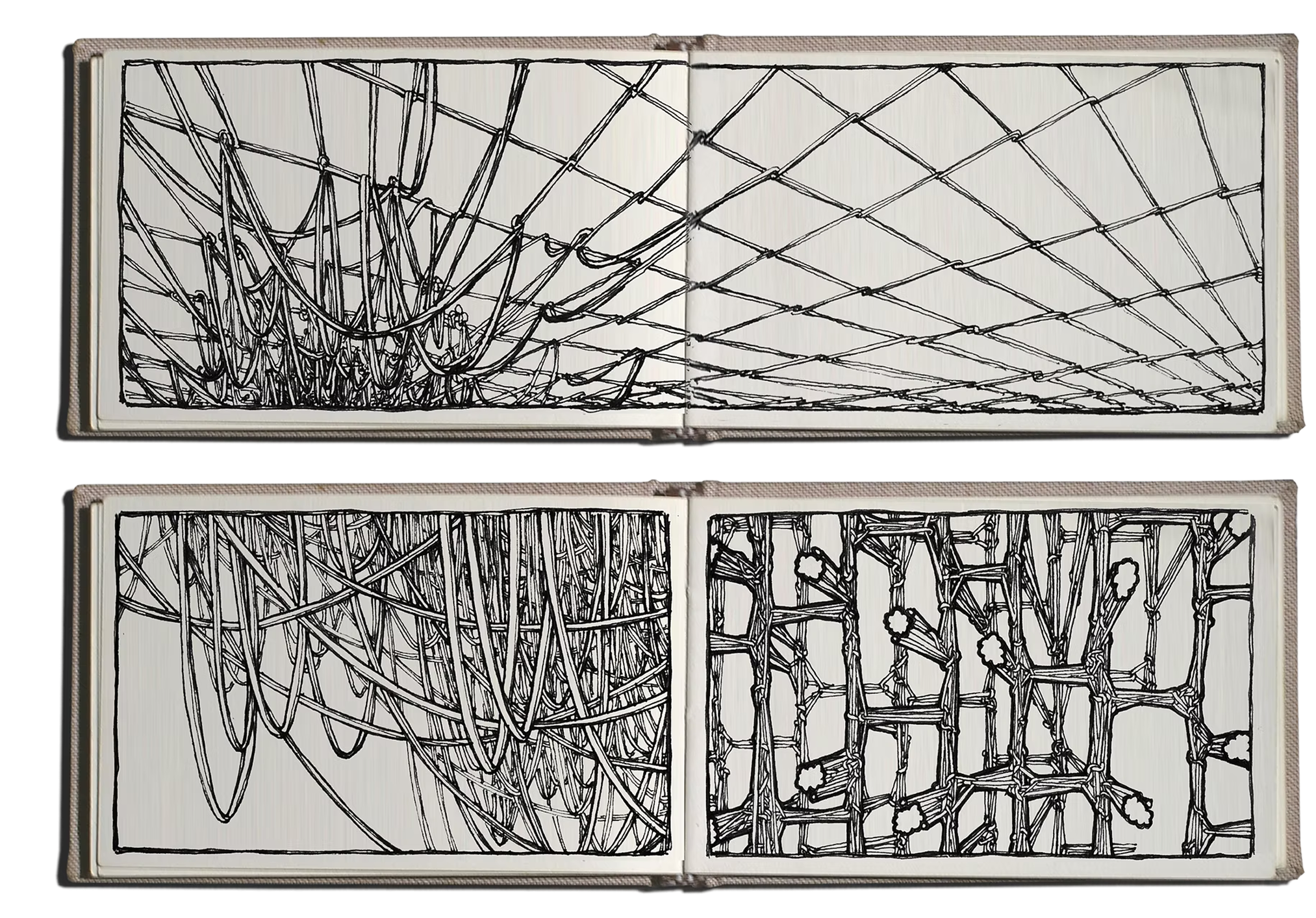
On a normal working day, the space I enjoy most is my notebook. It is where I have moments of discovery, pleasure, satisfaction, and reflection. Sometimes there are colours, collage, paint, or different media, but it belongs exclusively to the hand. It puts me into a state of thinking and being with myself that has enormous value. I always ask my students to keep a sketchbook, not only to sketch details, but also to take notes, make connections, and record experiences. It is a way of translating moments into something that remains on the page.
And yet your finished drawings often look as if they were made by a machine. Why does the hand-drawn aesthetic itself not seduce you as much?
EC: There are many types of drawing: sketches, doodles, maps, hand-drawn technical drawings, CAD plans. Drawing can take so many different forms.
I love making hand drawings because of the particular space they create. There is the physical space of the paper, the graphite, the eraser, the sharpener, the colours, but also the time it takes to make them. There is something private about it too. It is not necessarily something to share; it can simply be a moment to use the hand to think, express something, or learn.
For me, the sketchbook is a place to list and explore problems. When a problem starts to find a solution, it often leads towards CAD, modelling, and fabrication. In that sense, hand drawing has a particular status: it belongs to the process. It is not necessarily about indeterminacy or emergence. Of course, it could be, but that is not something I have explored much in the sketchbook.


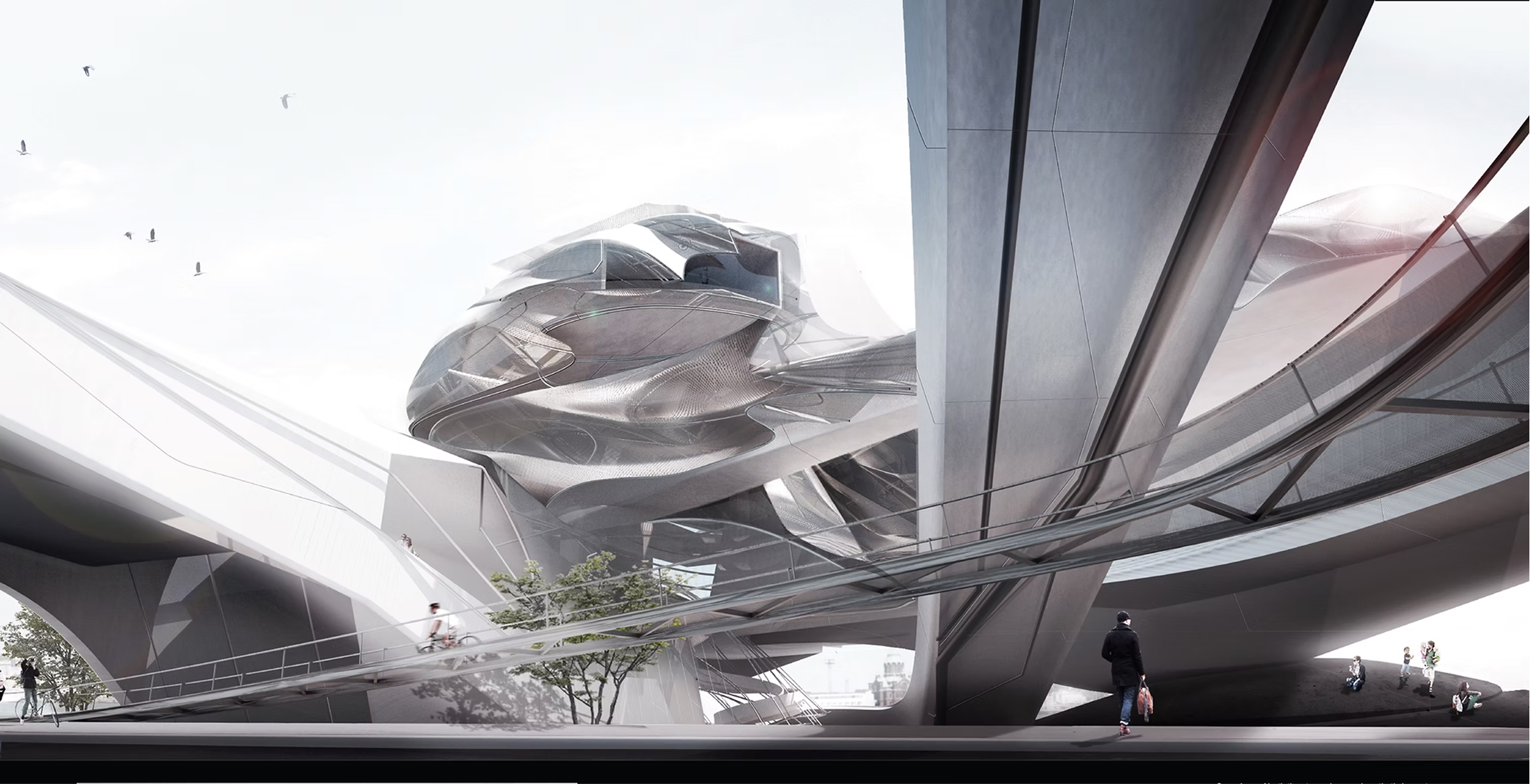
IMAGES & VIDEO ABOVE, LEFT TO RIGHT, TOP TO BOTTOM: ‘MACHINE LANSCAPES - EWASTE VILLAGE ‘, ‘PLANET CITY ‘, ‘GREAT ENDEAVOUR ‘, ‘MACHINE LANDSCAPES - GOOGLE DATA CENTRE ‘, ‘MACHINE LANDSCAPES - CHINA MICROWAVE FACTORY PRODUCTION LINE ‘, ‘MACHINE LANDSCAPES - FACEBOOK DATA CENTRE ‘, ‘GREAT ENDEAVOUR’ © LIAM YOUNG
IMAGES & VIDEO ABOVE, LEFT TO RIGHT, TOP TO BOTTOM: ‘MACHINE LANSCAPES - EWASTE VILLAGE ‘, ‘PLANET CITY ‘, ‘GREAT ENDEAVOUR ‘, ‘MACHINE LANDSCAPES - GOOGLE DATA CENTRE ‘, ‘MACHINE LANDSCAPES - CHINA MICROWAVE FACTORY PRODUCTION LINE ‘, ‘MACHINE LANDSCAPES - FACEBOOK DATA CENTRE ‘, ‘GREAT ENDEAVOUR’ © LIAM YOUNG
So when technology enters the work, what are you actually asking the machine to do?
EC: Technologies such as robotics and algorithms fascinate me because they have enormous creative potential. Since I define my work around drawing, sometimes painting and material explorations, the final result is often two-dimensional. But my real work is not simply drawing. My real work is inventing a framework in which I give away part of the authority over the drawing to things around me.
Those "things" can be people, machines, natural forces or code. I want to create a drawing, but I want to introduce components that I cannot completely control. The drawing then becomes less like the execution of an image I already have in mind and more like a situation in which different lines of action meet and affect one another. I want to project the act of drawing into an environment where uncertainty can act.
Many artists I admire have worked with this idea. The Surrealists searched for ways to affect their own control through mechanisms such as the “Cadavre Exquis”. One of my most important references is Sol LeWitt, who imagined instruction-based drawings without physically executing them himself. This question of giving away part of the authority, placing oneself inside a framework where other forces contribute to the result, is at the centre of what I am looking for.
Industrial machines are designed to eliminate error and repeat perfectly. You seem interested in almost the opposite.
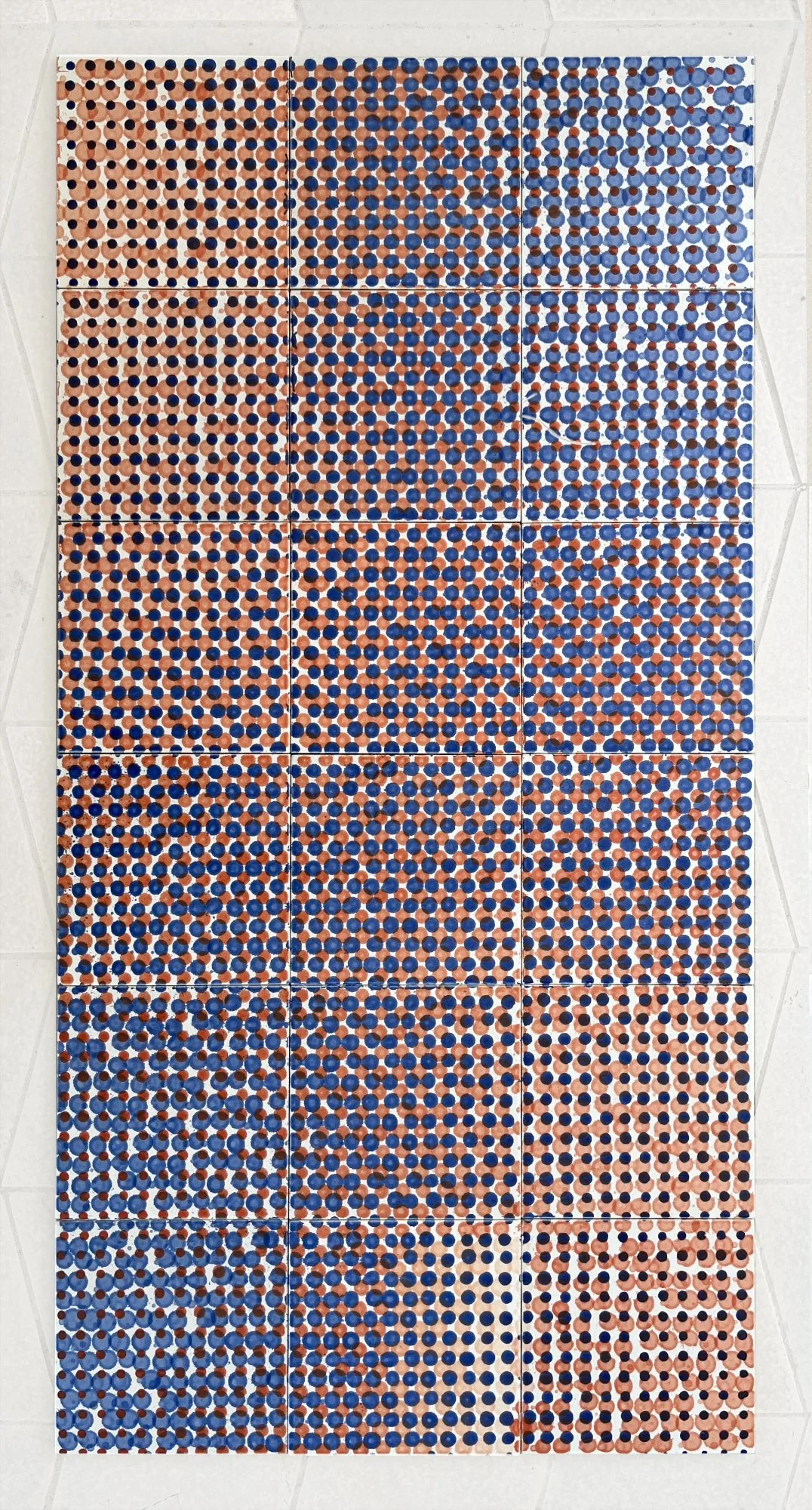
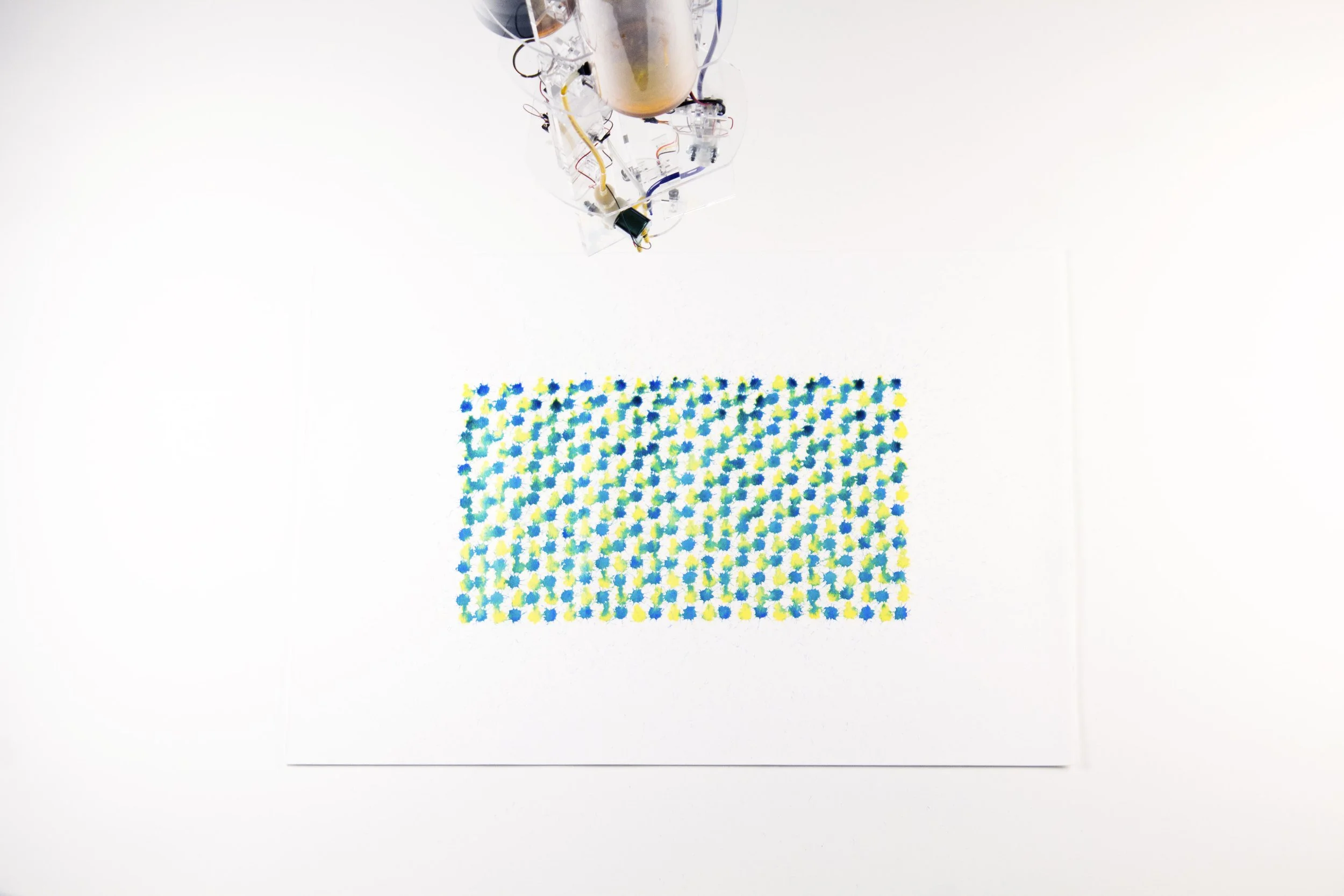
EC: I am not interested in producing the same object one thousand times. This is not about productivity or efficiency; it is about discovery. I often look for ways to make the machine imprecise, to make it fail, or to cultivate a certain level of imperfection, so that the result is always singular. Visually, I am very attracted to the ambiguity of not knowing how a drawing was made.
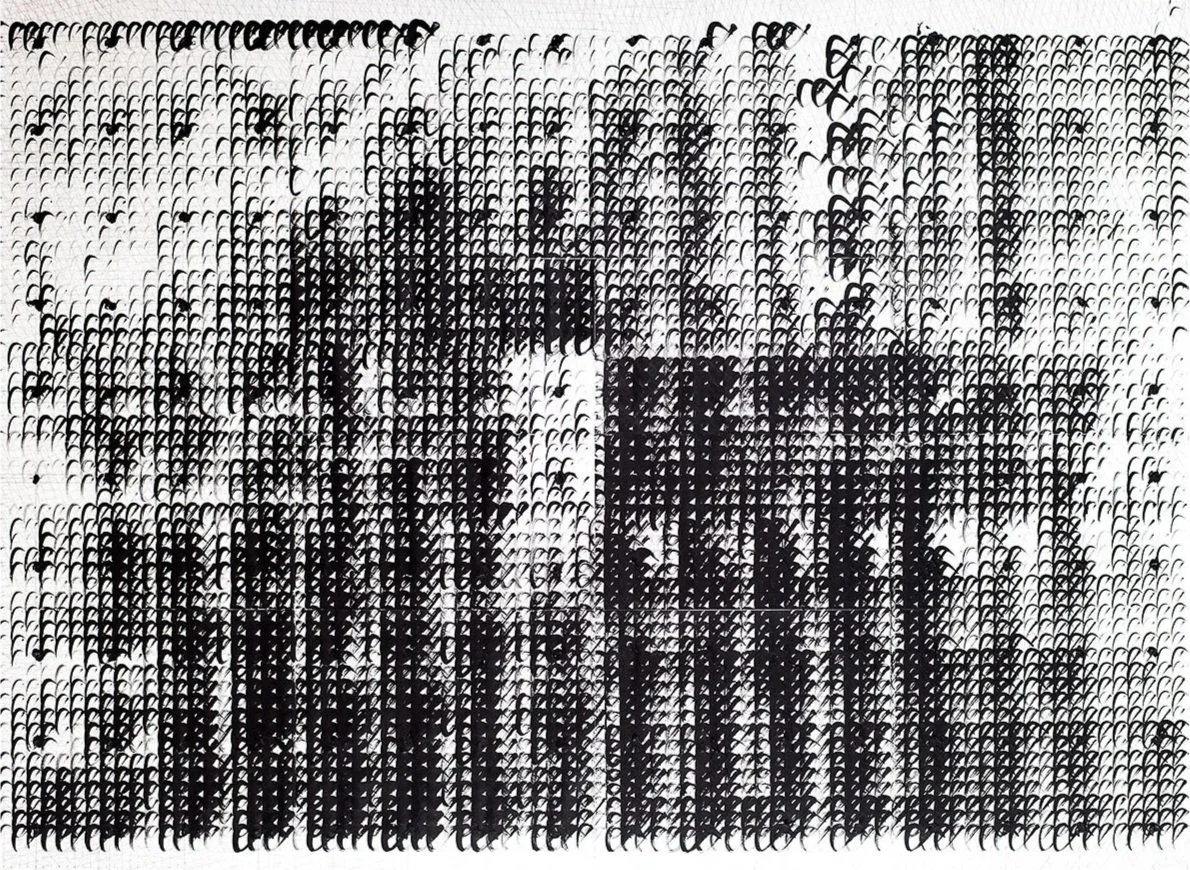
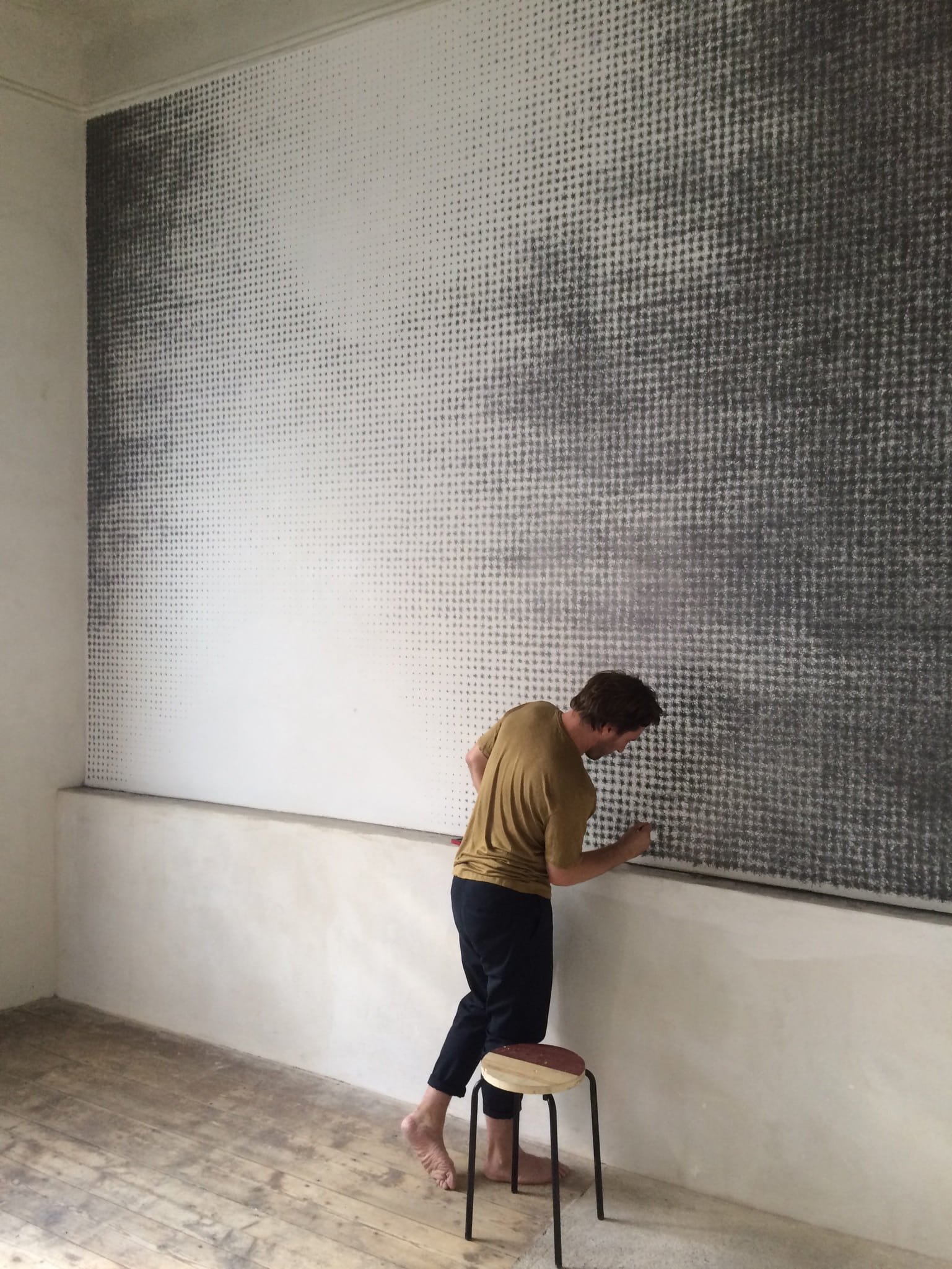
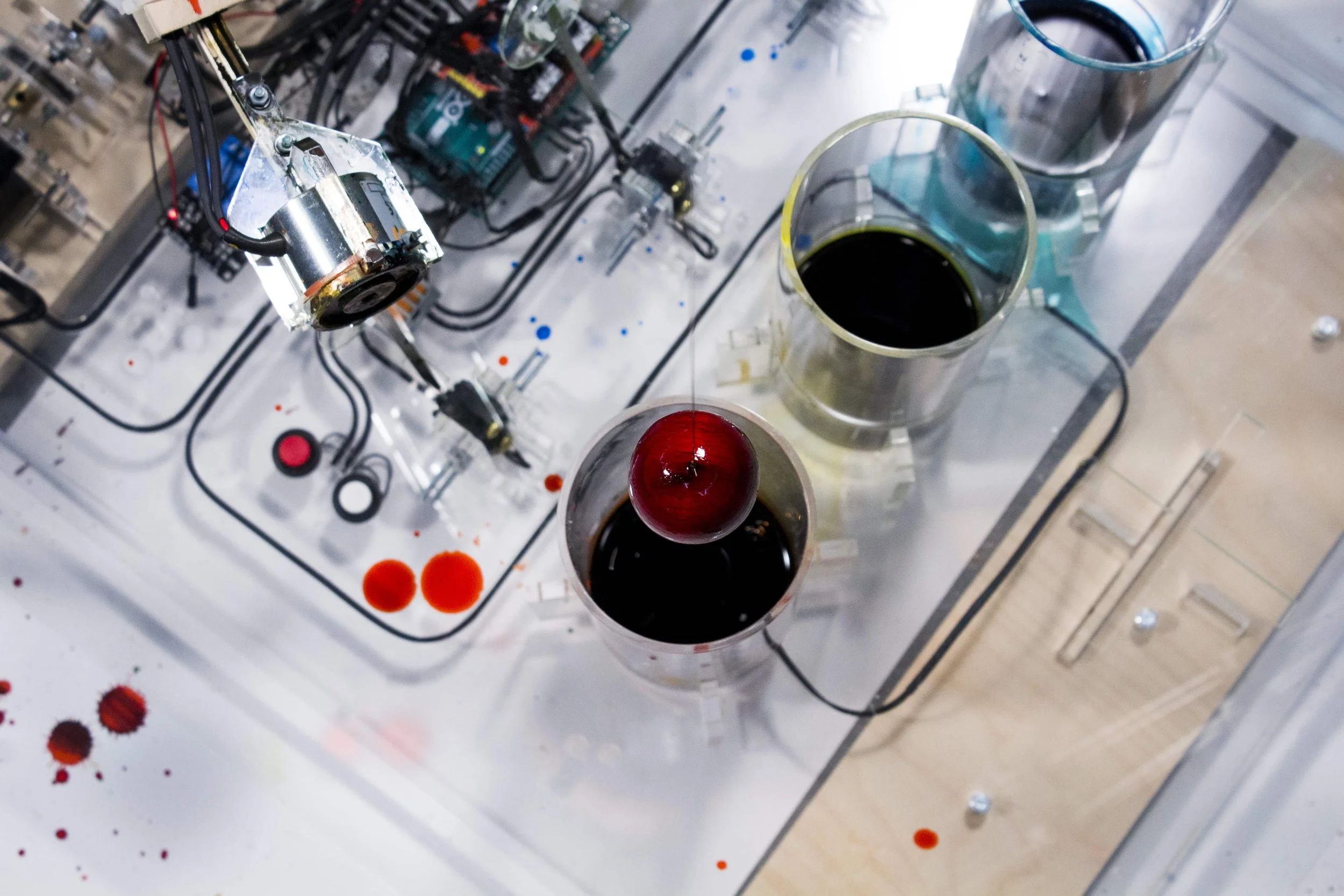
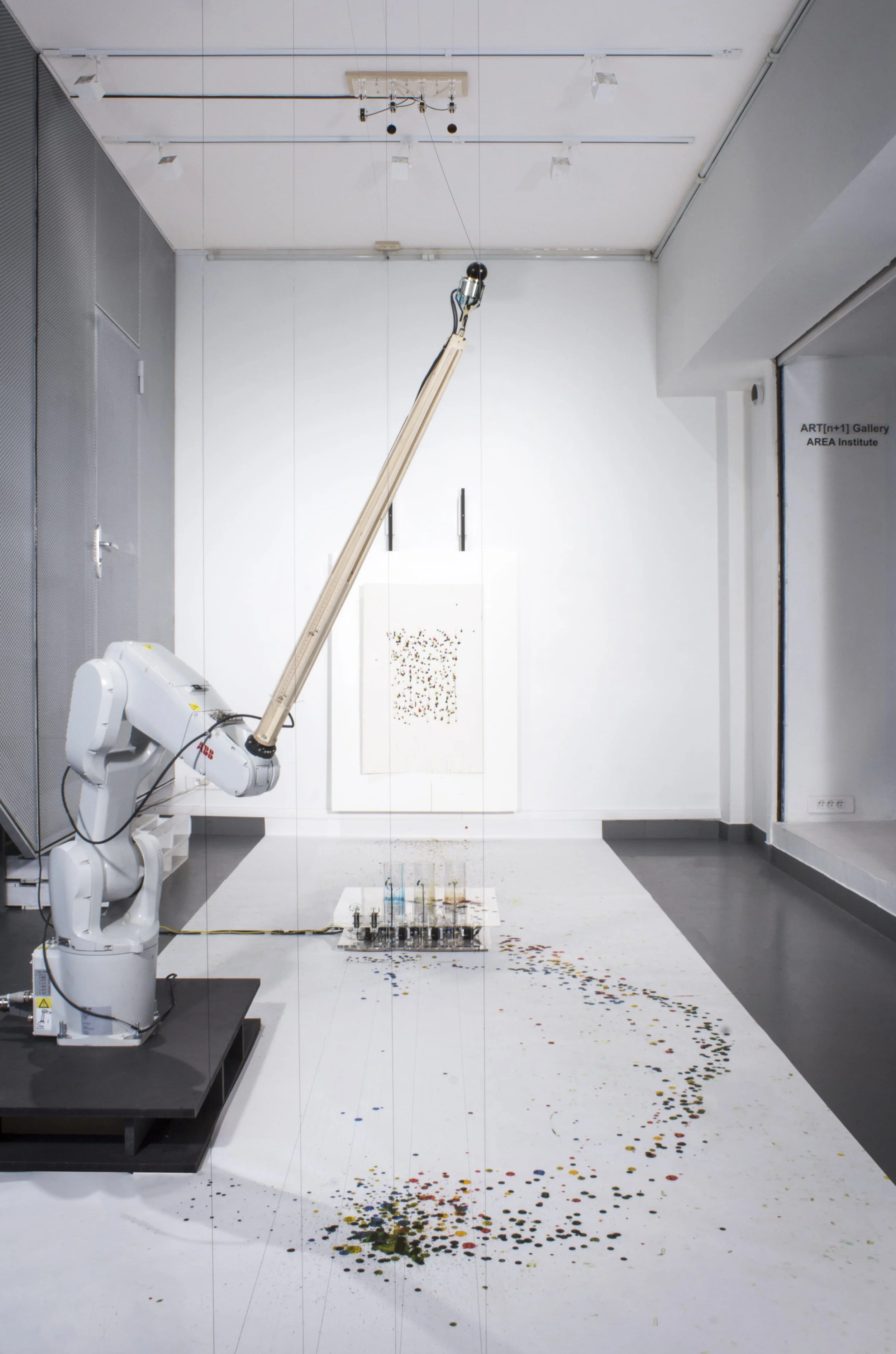
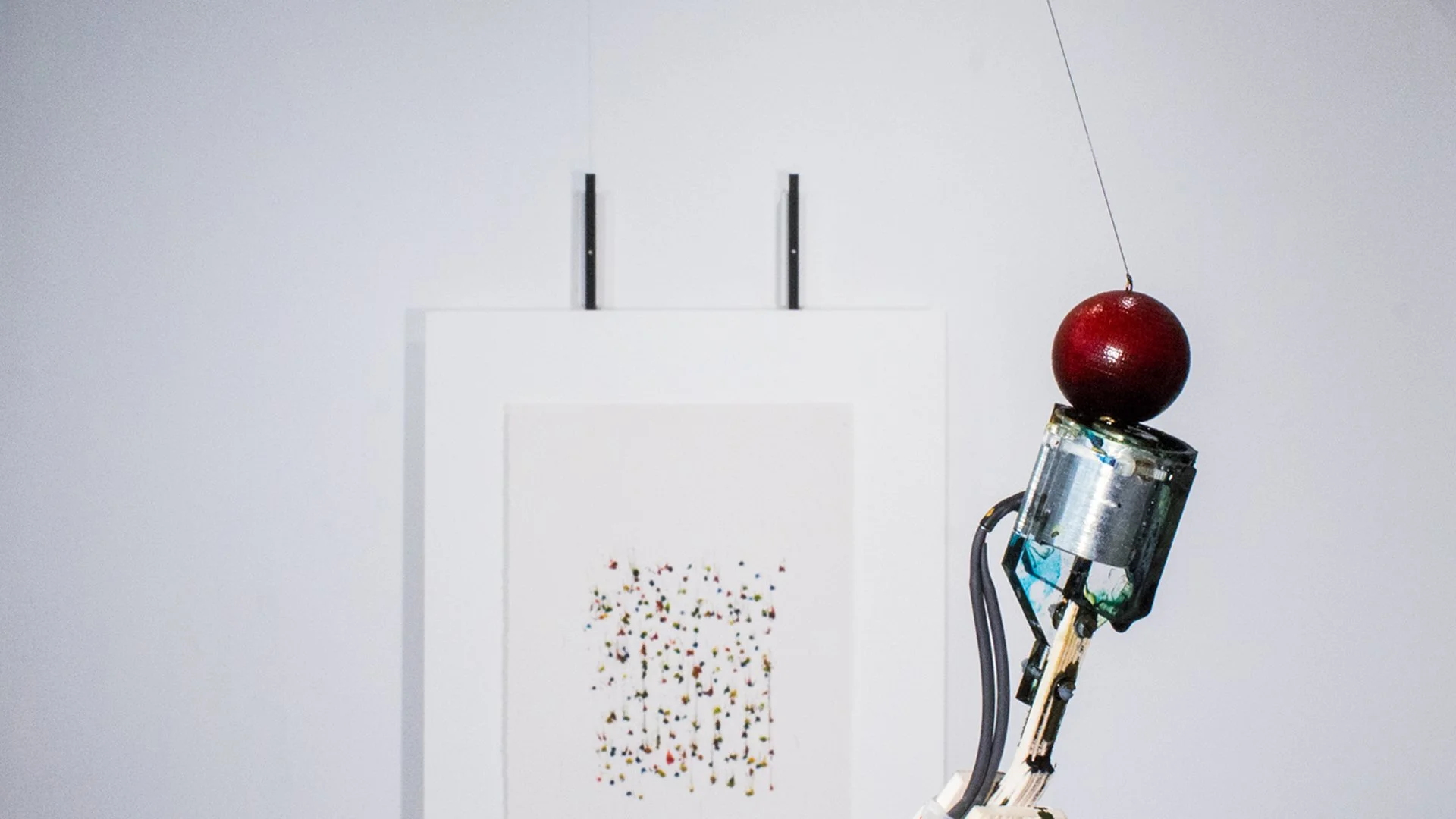
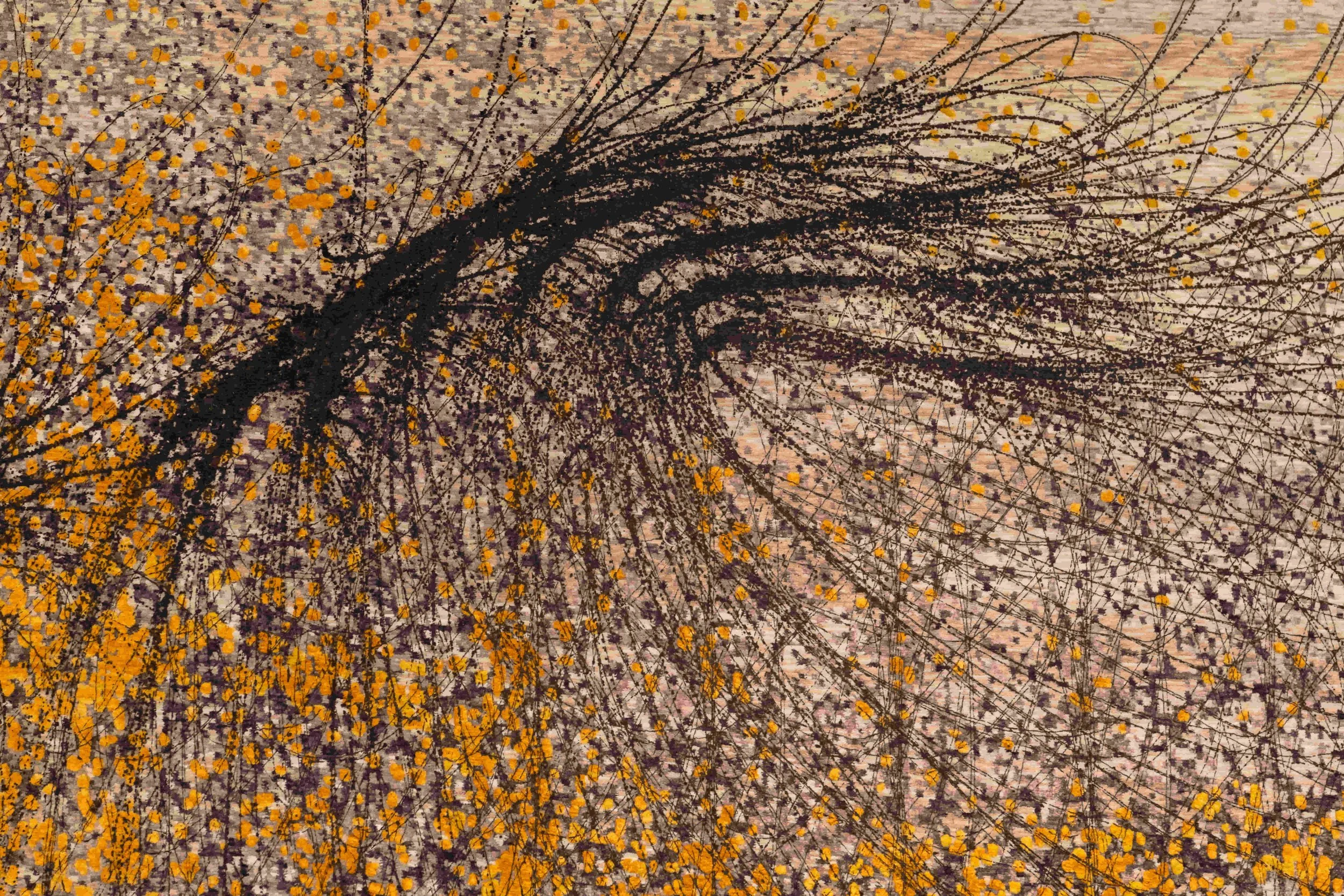
For example, I like to construct devices that drop droplets of ink, attach them to robots, and program them to follow very regular paths - a grid, for instance. In theory, the resulting drawing should be made of perfect dots arranged along a perfect grid. But in the physical world, the drops are never quite equal, and the way each one deforms when it hits the paper produces a singular mark. The resulting drawing contains both: a high degree of imprecision and a certain regularity. This creates an ambiguity about how it was actually made. I like that ambiguity.
Some friends tell me I am trying to humanise the machine, to make it produce something different every time. For me, it is about creating a mechanism that generates results and surprises. If I cannot be certain of the result, then other forces contribute to the outcome.
The attitude of the artist or designer becomes very important. Some people, if they do not have 100 percent authorship over every element, reject the result and say, "It is not mine." But there is another way. You can allow something to move away from yourself and still recognise yourself as the author of what emerges.
How do you teach that balance between authorship and surrender?
EC: I teach a short computation course at La Salle in Barcelona, and when they first asked me to teach it I said I wanted to approach computation through hand drawing.
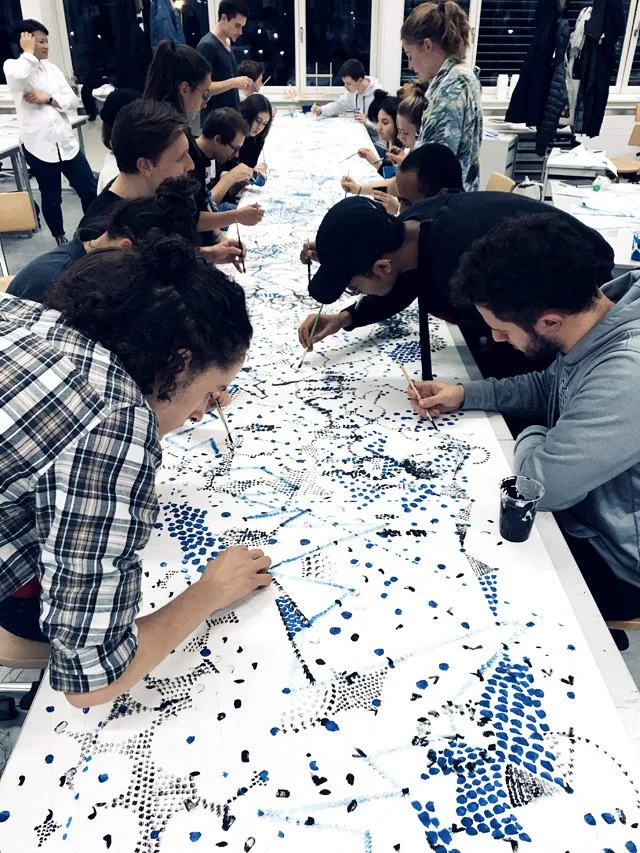
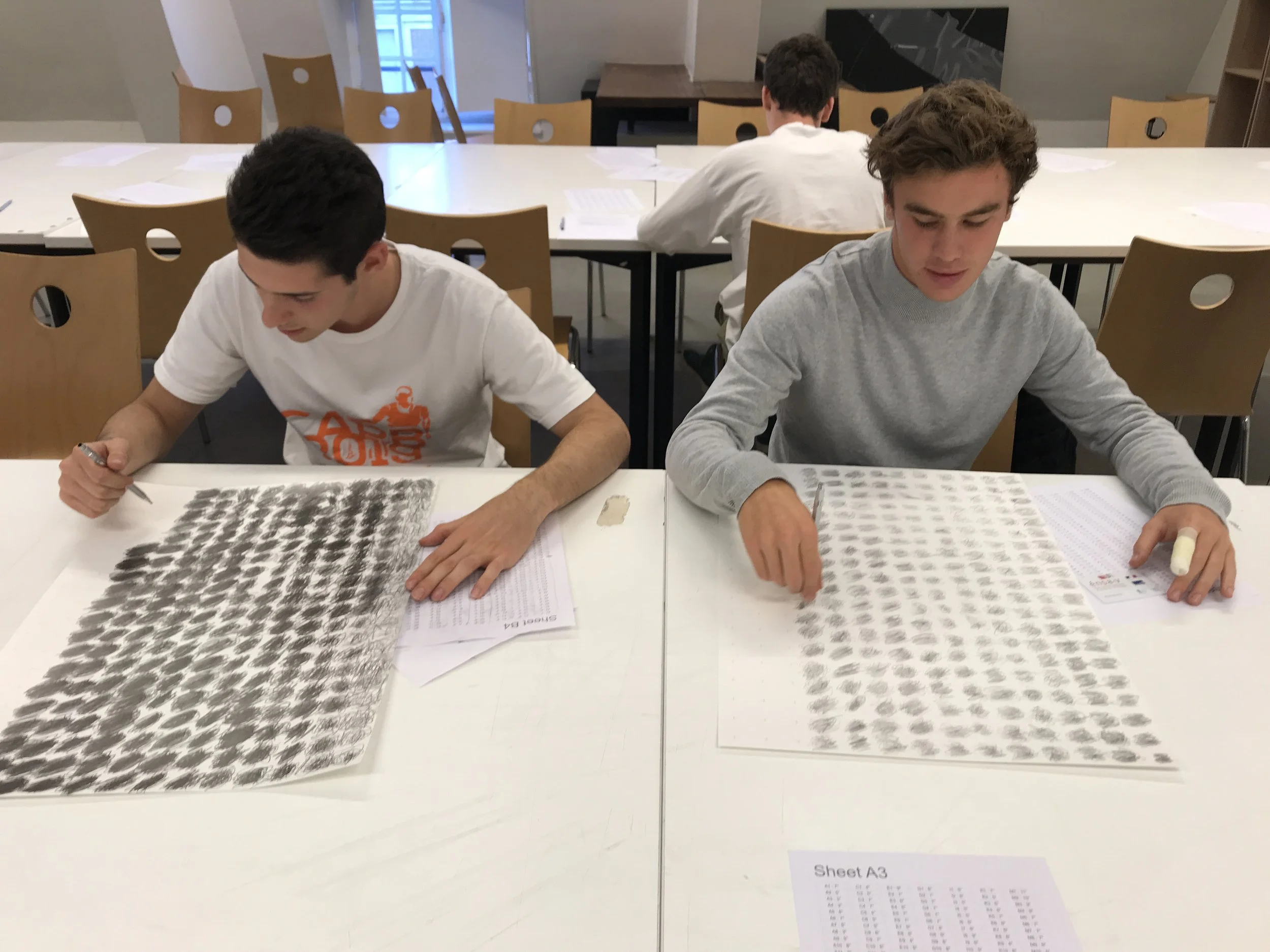
I ask students not to make a drawing but to think of a drawing. Then they transform it into instructions and give those instructions to another student, who makes the drawing and returns it. At the beginning, students think that if the returned drawing is identical to the original, their instructions were correct. But obviously it is never the same. It resembles the original, but it is transformed.
The interesting space is between control and freedom. If the instructions are completely closed and the other person simply executes exactly what you imagined, there is no real interest. But if they are so open that the person creates something completely unrelated, that also loses meaning. The interesting threshold is giving enough control while leaving enough freedom: maintaining partial authorship while allowing the person drawing to contribute their own hand and mind.
We also give the same protocol to several people and compare the drawings that come back. We are trying to understand the right level of precision in an instruction and the amount of interpretation that can exist within a text, a game or a set of words. Drawing is a very good tool because the result comes back immediately.
What happens when a student dislikes what comes back?
EC: Frustration. Although frustration tends to be a negative feeling, if you try to understand what it is about, it can become very productive. The question is no longer simply, "Do I like it or not?" It becomes: "What do I accept from what the other person contributed? What do I reject?" As an artist, this becomes a kind of mirror. It is a very introspective process. It allows you to understand what belongs to you and what does not.



IMAGES ABOVE, LEFT TO RIGHT: GRAPHIC NOVEL PAGES ‘GREAT ENDEAVOUR ‘ (1,2) & ‘WORLD MACHINE ‘ (3,4) © LIAM YOUNG
You are applying a similar idea in the work being made in your studio now. Can you describe that process?
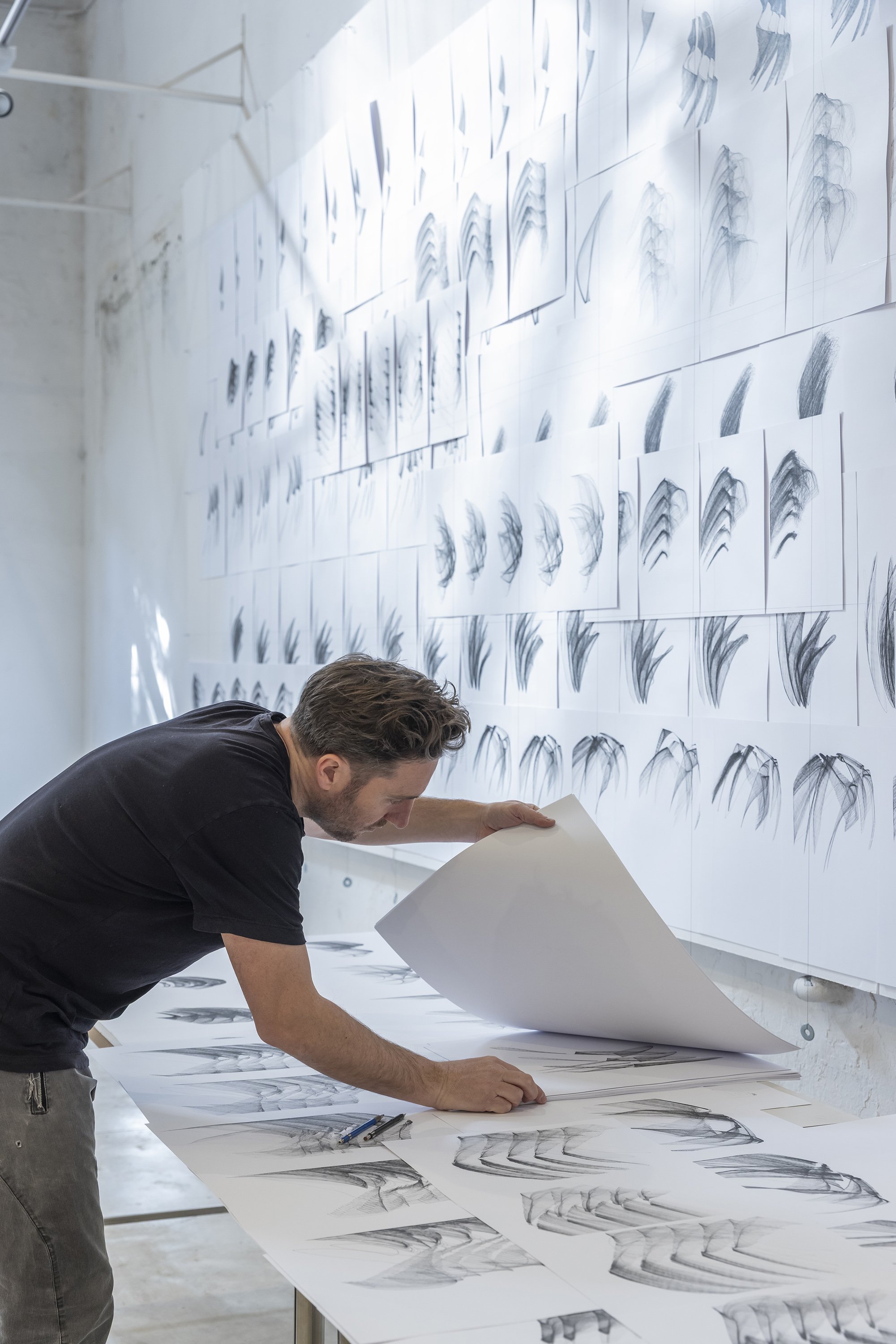
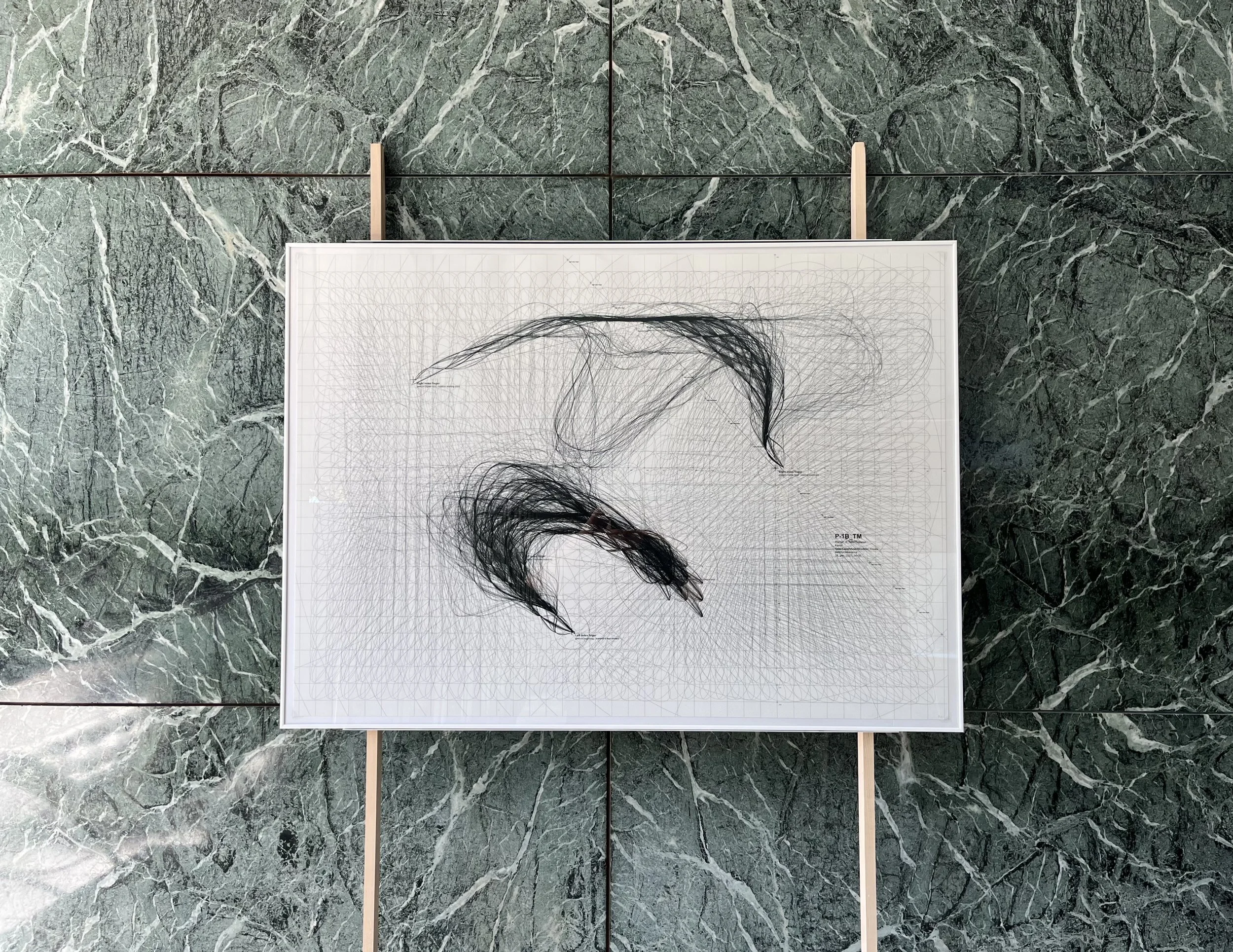
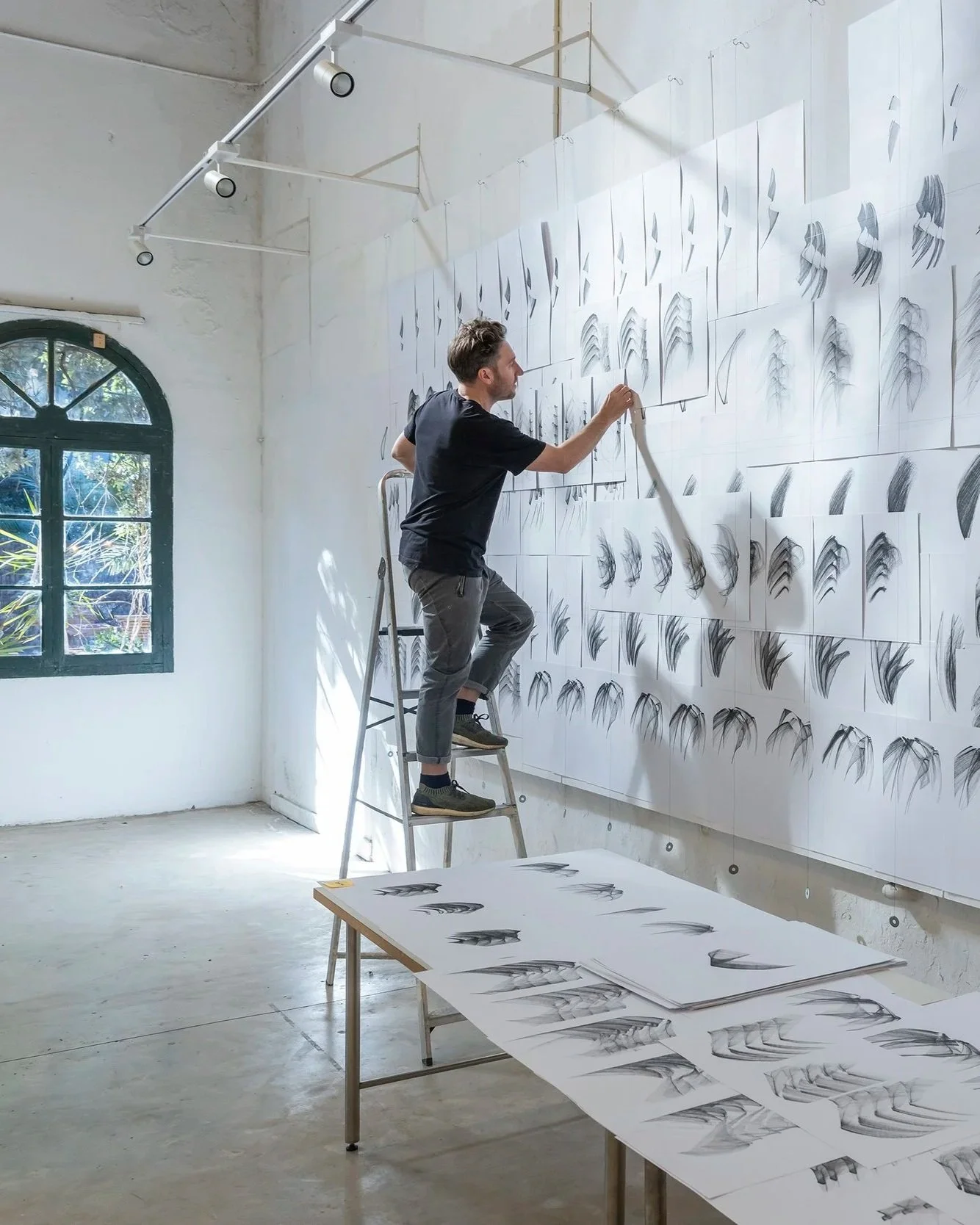
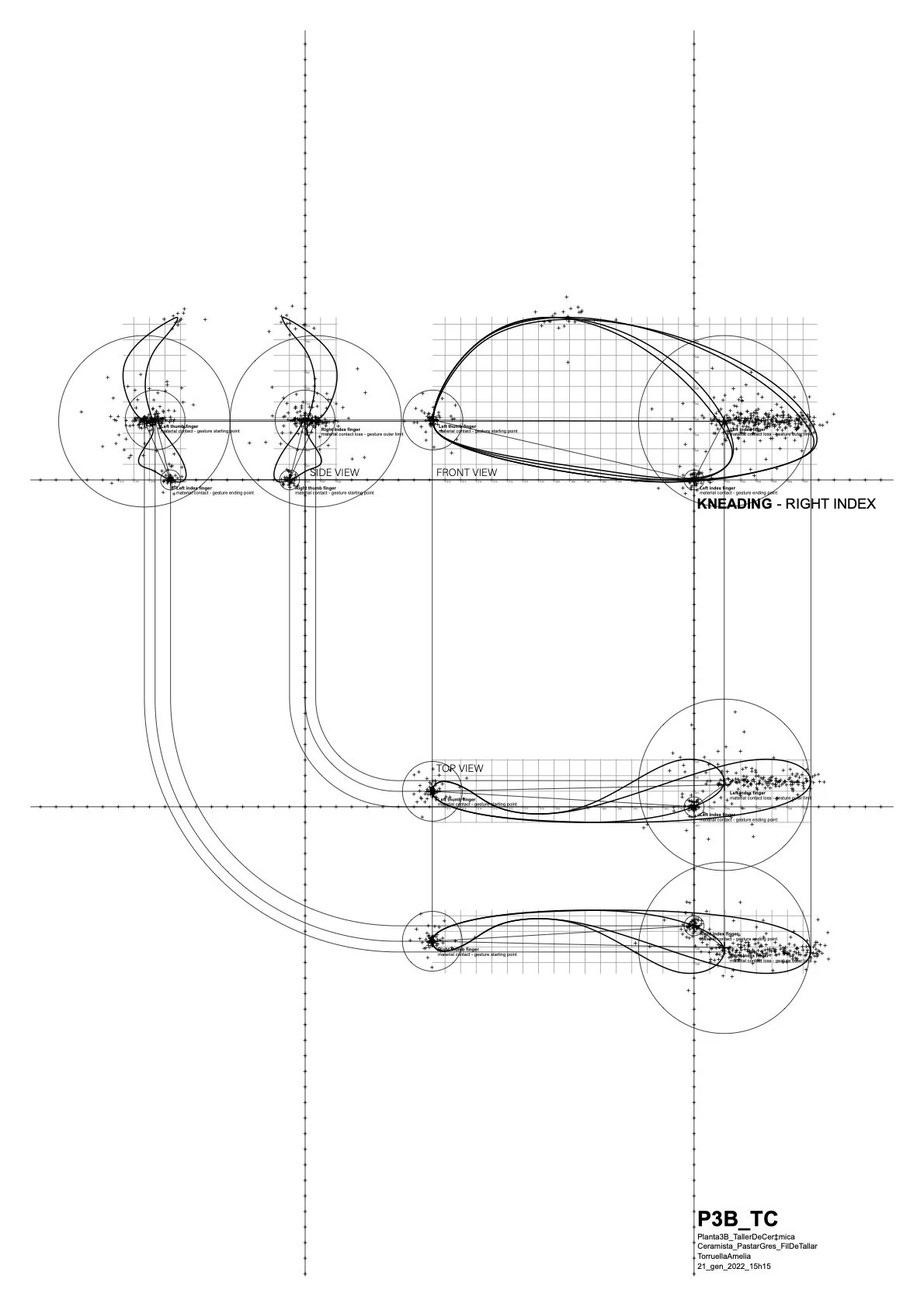
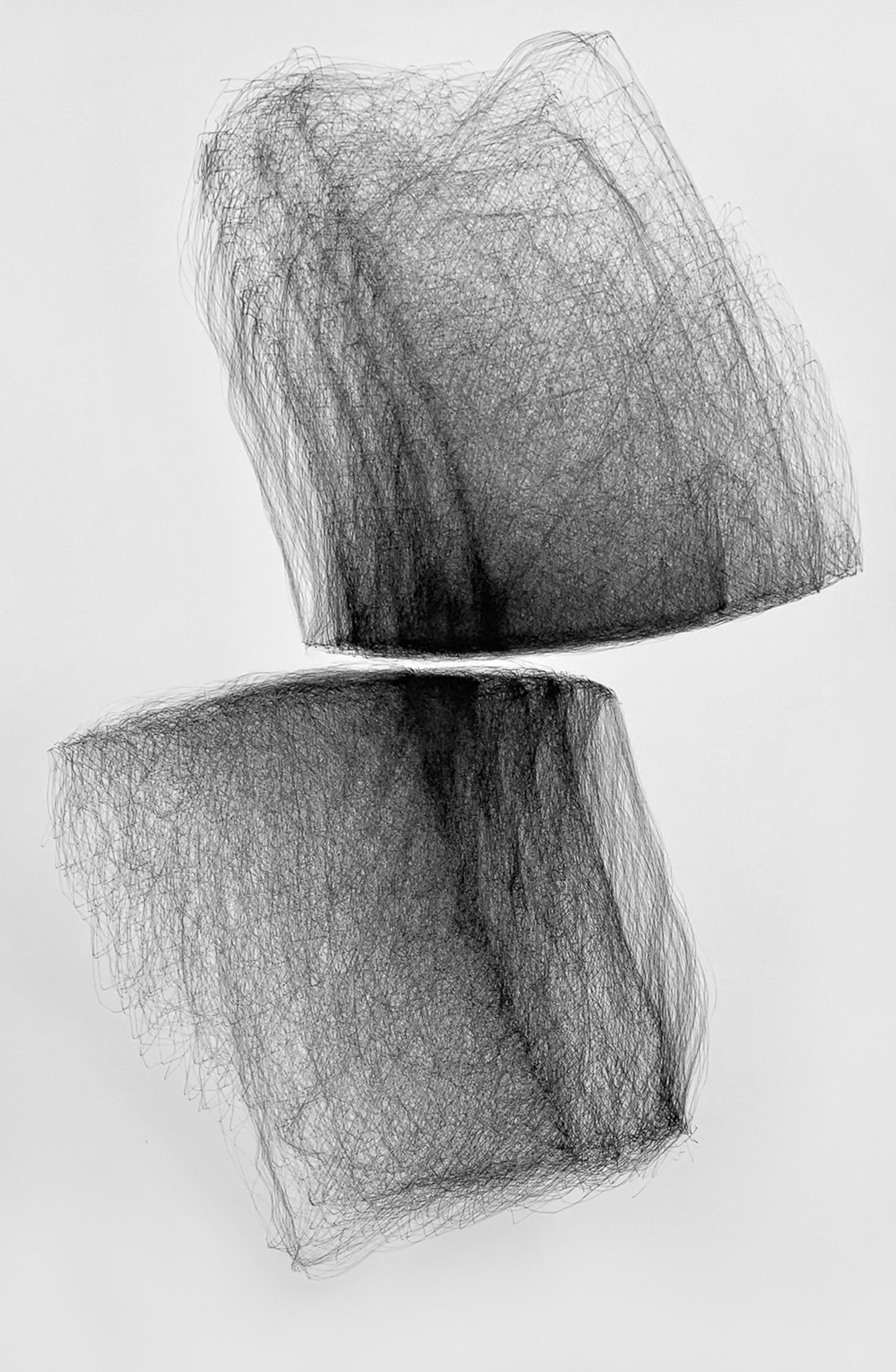
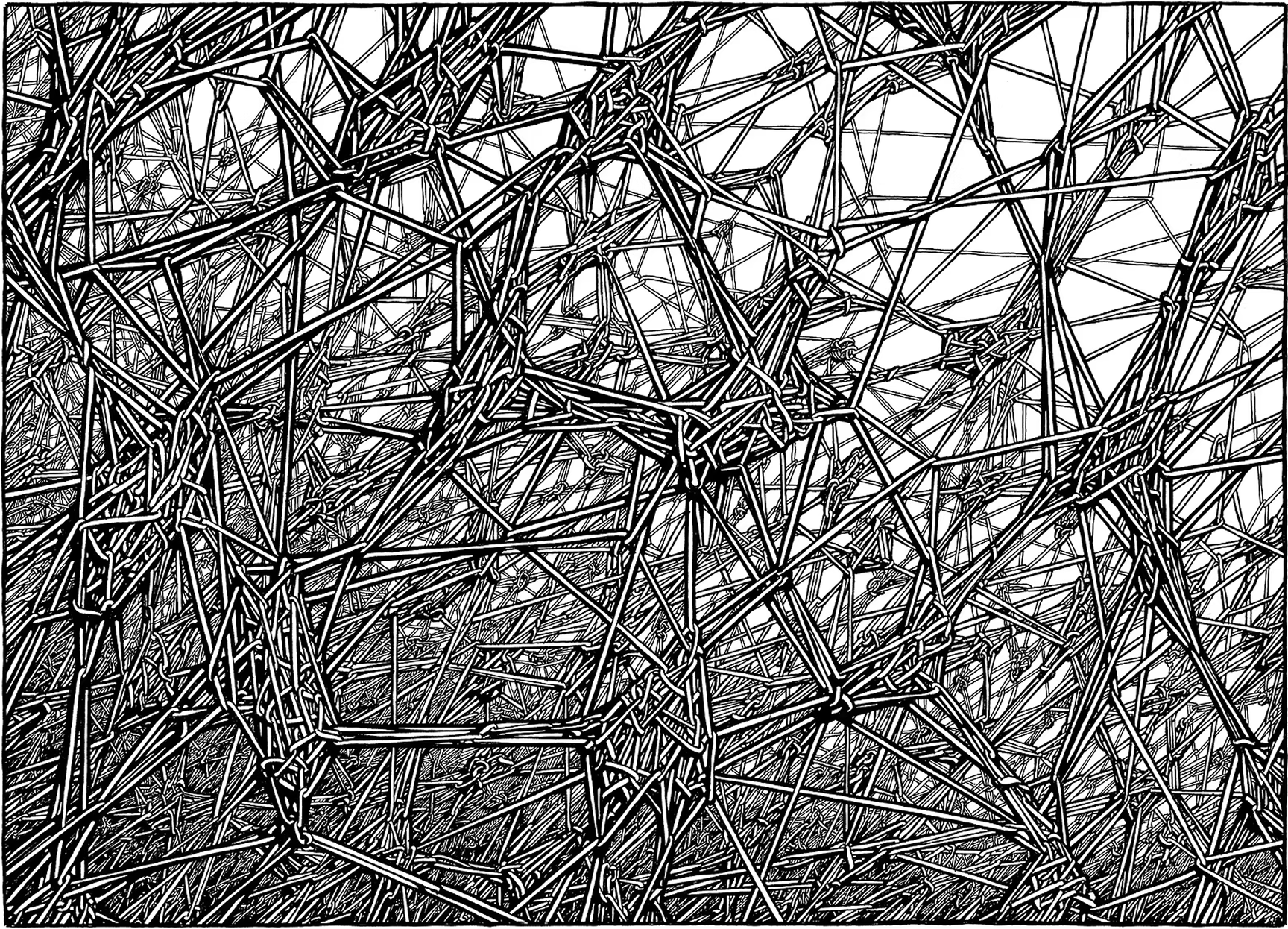
EC: I am currently collaborating with a woman named Paola, who has an amazing hand-drawing stroke. I prepare instructions that I communicate to her in written form. They consist mainly of positions of points, coordinates distributed across a page. Paola then has to draw one long, continuous line with a very thin pen for one hour.
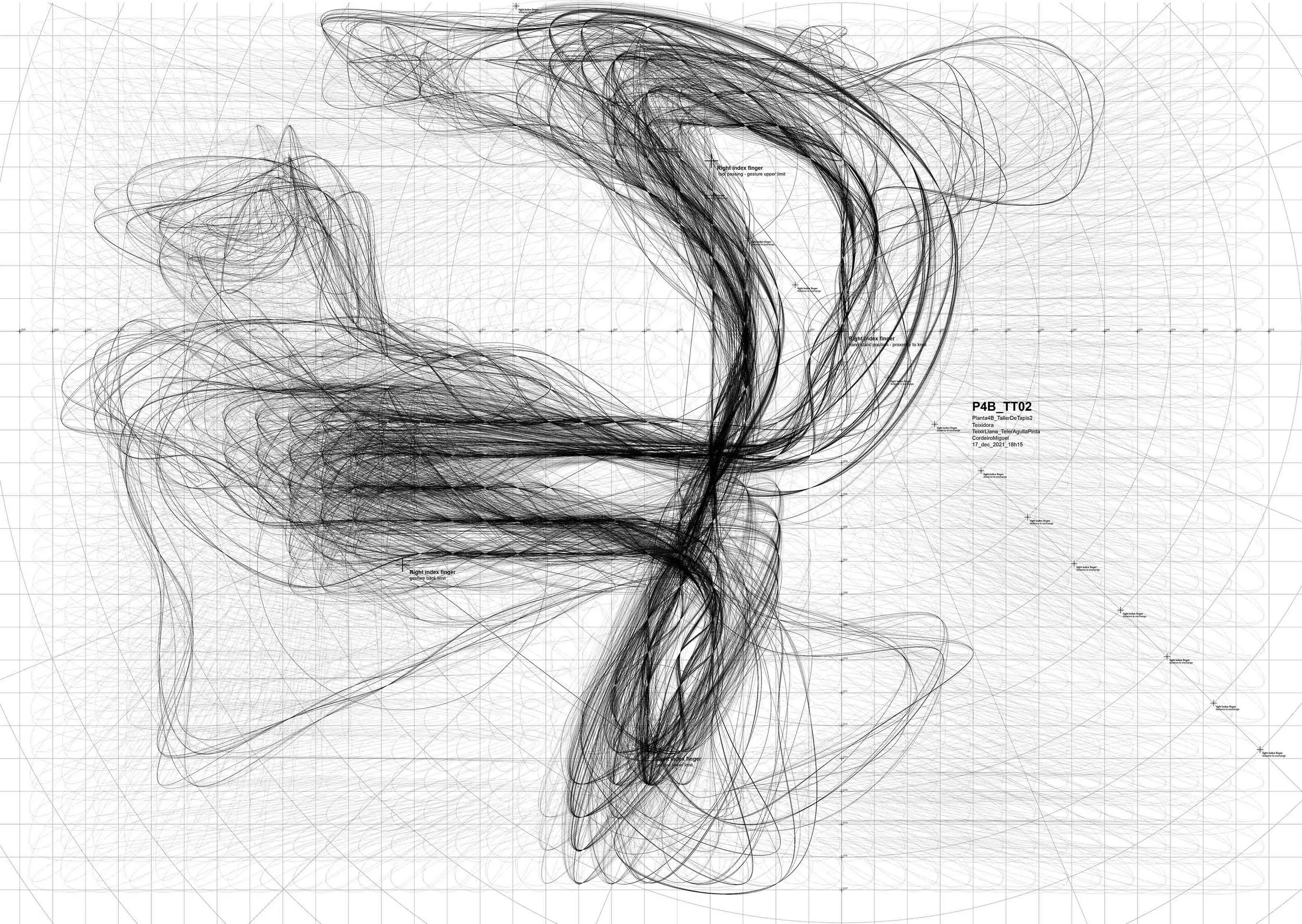
At the beginning, we are both searching for a way to move the hand, but then there are no mistakes. The drawing simply continues. The speed of her hand has to remain constant, so the curves maintain a relatively consistent radius. The movement is governed by the inertia of the hand, which means there are no sudden changes of direction or kinks. We worked extensively to define what that speed should be and how small these curves should become.
She maintains a constant speed with her hand, while the points I define force small variations and changes in direction. Because she draws continuously for an hour, areas of greater and lesser concentration of ink gradually appear. I give very little freedom: the points are defined, the movement is defined. Yet when you look at the distribution of the points, it is almost impossible to imagine what the final drawing will look like. How will the hand move between them? Where will the ink accumulate and create greater density?
This uncertainty does not come from a lack of precision. Quite the opposite. I establish very precise conditions - coordinates, speed, duration, geometry - and then allow the physical reality of the process to introduce what I cannot fully control. The drawing has to be made in order to exist; it cannot really be planned in advance. In that sense, I am interested less in the drawing as an object than in the drawing as something coming into being. The line is not simply the trace of an image I already have in mind; it is produced through the movement itself.
Every day, I change the distribution of the points and Paola makes another one-hour-long curve. The drawings are very similar to one another, but each one is new, different, and singular. I use this as a way of testing the range of control: how much can be determined in advance, and how much inevitably escapes?
I have been thinking about Tim Ingold's writing on the line, particularly the distinction between a line as a connection between points and a line as the trace of a movement. In this work, I am much more interested in the second. The points I give Paola are not really the drawing; they are conditions through which the line has to move. The actual drawing emerges through the movement of the hand between them.
You sometimes ask two people to execute the same system and then physically combine their drawings. What does the cut reveal?
EC: I ask two people to make the same drawing using the same distribution of points without seeing each other's work. When they finish, I cut the drawings and recombine them.
From a distance, there appears to be a continuous line from one sheet to the next. The drawing seems complete or integral. But when you look closely, no two lines actually coincide; every line is slightly different. For me, the cut becomes a tool of measurement.
I love looking at drawings from far away and from very close. From far away you don't notice anything, but as you approach there is a moment when you realise something is strange. You understand that it is not one drawing made by one person but two halves combined together. It is an investigation into the space of freedom that one person gives another, even when the level of control is very high.
Scale seems important too. What happens when these drawings become much larger than the body that produces them?
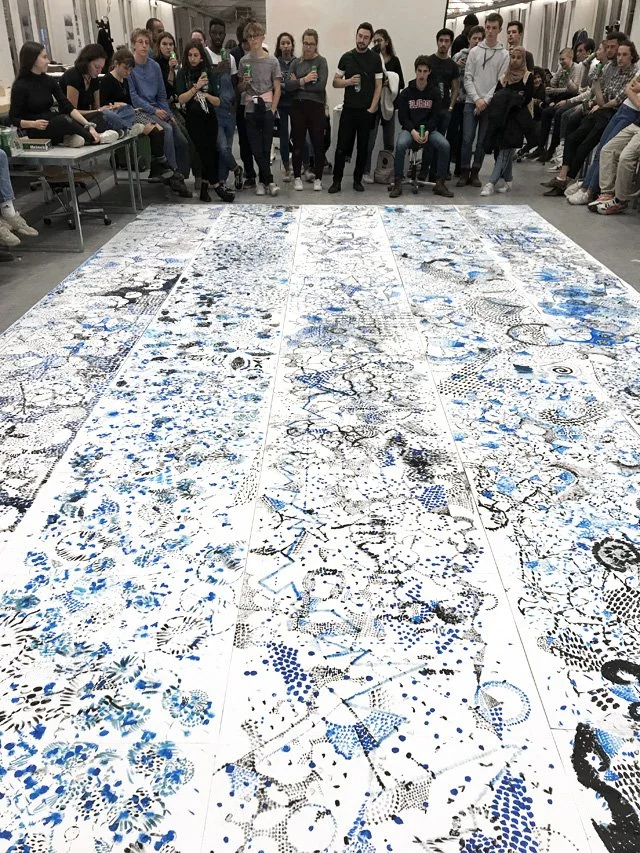
EC: The individual drawings are connected to the size of the arm and the paper, around one metre by seventy centimetres. Cutting allows me to assemble them and make very large drawings, three or four metres or more. From far away there is continuity; close up, you see that the drawing has been interrupted and reconstructed.
I want to work with different series: some with random distributions of points, others with very symmetrical structures. When people see these drawings, they often think they cannot have been made by a person because they seem very precise. But they are not precise at all. At the same time, they are extremely precise because of the obsession with repeating the movement so many times.
All my drawings have a strong relationship with time and duration. I like creating moments of doubt. Someone sees something that appears so perfect they think, "This must be a robot. This must be a print." But actually it is a hand, and not only a hand: a hand working within a context of shared authorship. I like the word "subtle": entering a space where you begin to imagine the process that created something based only on the final result.
Was this idea of designing a framework rather than a fixed form already present in your architectural teaching?
EC: Yes. One of the starting points was a course I taught at IAAC. Students had to design a public space for the future. What interested me was not form but instruction: how do you create a space that can evolve over time depending on what happens?
I was interested in algorithms as a way of defining conditions in advance without necessarily determining the final outcome. You write something now, but it will be used later. It can react to situations or guide them with more or less control.
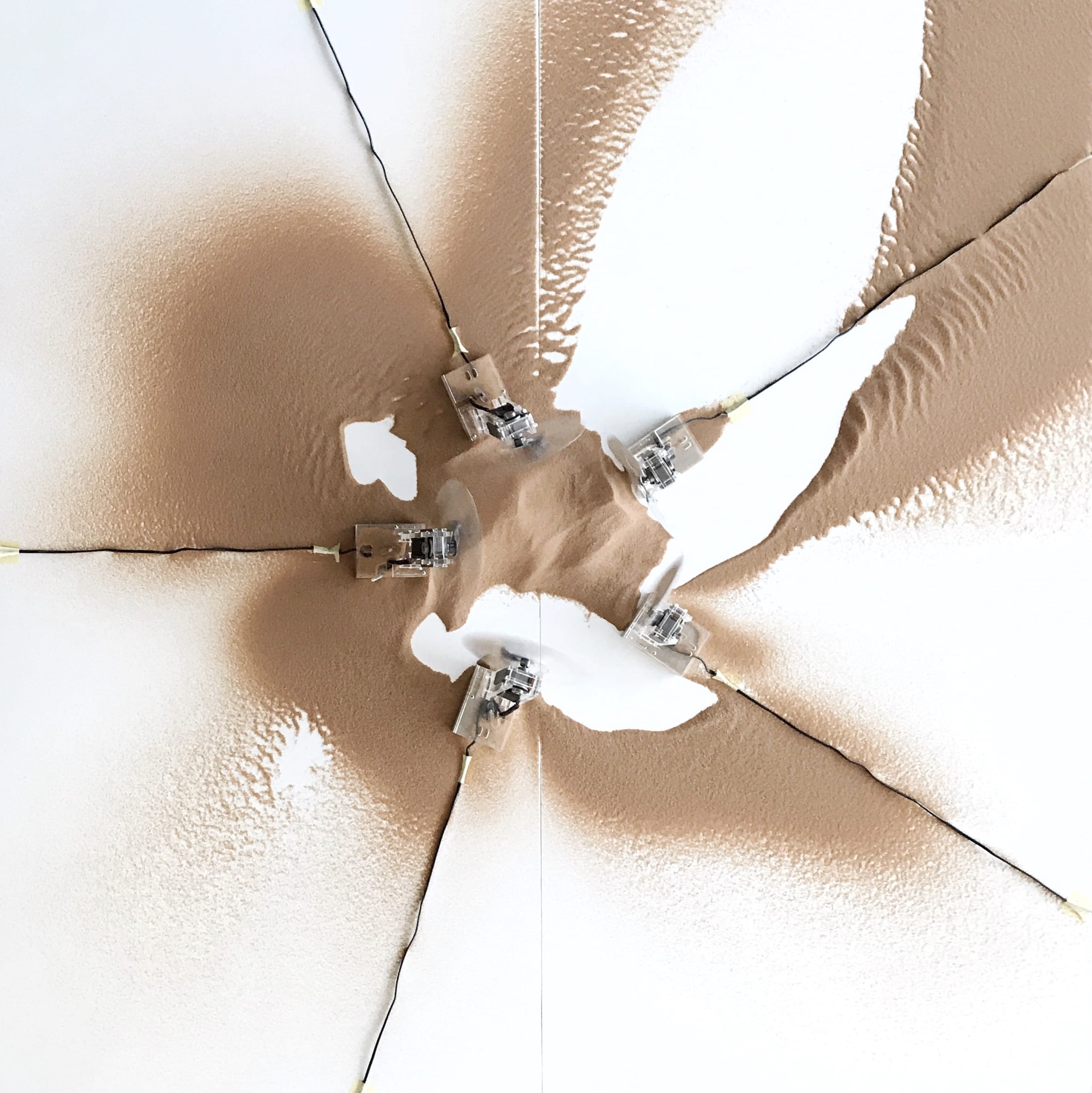
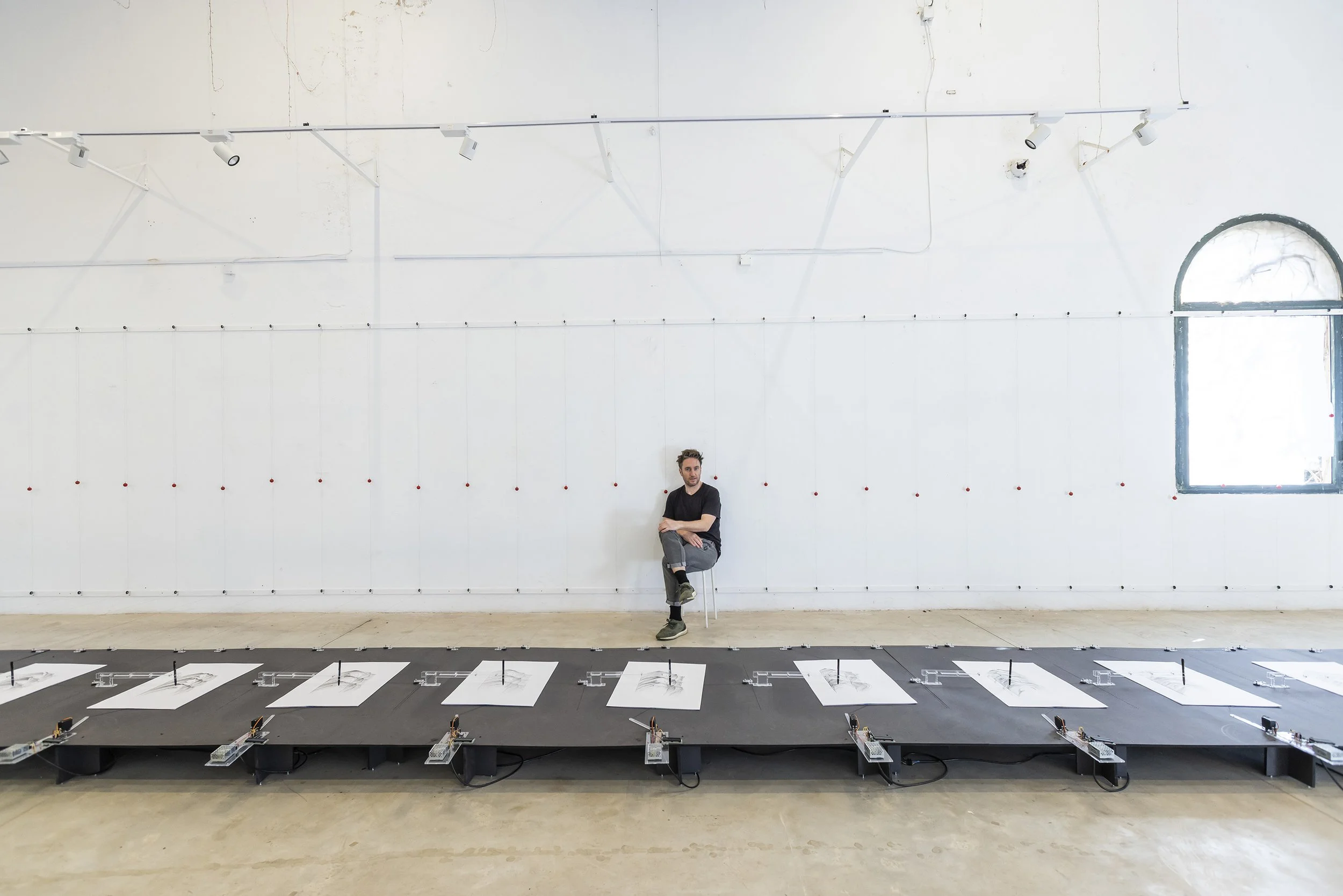
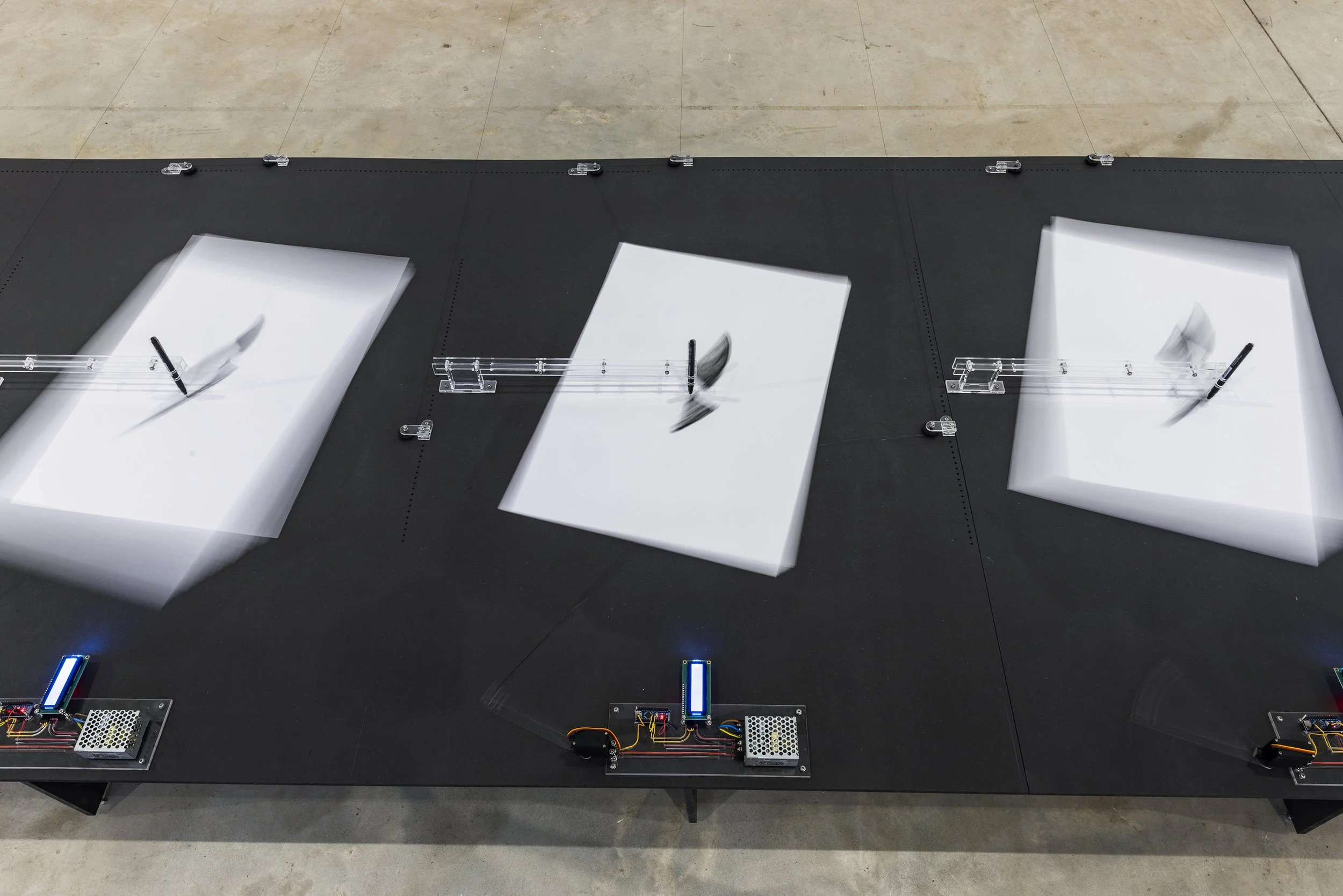
I asked students to find something that moved along their route to school and connect it with a pen and paper. One worked with waves, creating a pendulum that responded to the sea. Others worked with pigeons, wind or the movement of the metro. The pigeon project placed a bowl of seeds on top of pencils so that as the birds came to eat, the bowl moved and created drawings.
Each project constructed a kind of machine or instrument: a mechanism producing lines that were always singular. Four drawings could clearly belong together as a series, but no two were identical. That exercise became more important than the original project because it contained so many of the questions I am still investigating.




IMAGES ABOVE, LEFT TO RIGHT: GRAPHIC NOVEL PAGES ‘GREAT ENDEAVOUR ‘ (1,2) & ‘WORLD MACHINE ‘ (3,4) © LIAM YOUNG
Your work depends so much on process. How do you communicate that without telling viewers what they are supposed to see?
EC: When I exhibit this type of work, I often have the drawings and videos showing how they were made. In one exhibition, the museum had two rooms. In the first, I showed only the drawings, with no explanation. People stood in front of them and interpreted them. Children would say, "I see clouds," or, "I see animals." They created their own readings. In the end, it is also an exercise in imagination.
Then they entered the second room and watched videos explaining the processes. Afterwards, they often went back to the first room and suddenly looked at the drawings differently. At first they experienced the drawing simply as an image. Then, after understanding the process, they returned with completely different eyes. They looked technically. They searched for the process.
I really like playing with this distinction. The drawing I personally like the most is almost never the one other people like the most. Everyone has their own sensibility, their own way of understanding and their own system of values. I find that very powerful. In architecture school, perhaps I learned not to value enough the moment when someone stands in front of a result and experiences it without knowing everything that led to it.
Do you ever put the robot itself into the exhibition, or do you prefer the machine to remain implicit?
EC: Yes, sometimes, but I try not to overuse the robot.
First of all, I don’t think my work is about robots. They are part of it, but they take up so much space in people’s imagination that they can become reductive.
Then, I have to admit that the world of robotics gives me some concerns. I am not sure society is moving in the best direction with some of these technologies. At the same time, they have incredible creative potential and I really enjoy playing with them.
But I never think, "I need to put a robot there." If I include one, it is because I want it to do something very subtle, something far from what we usually expect from a machine.
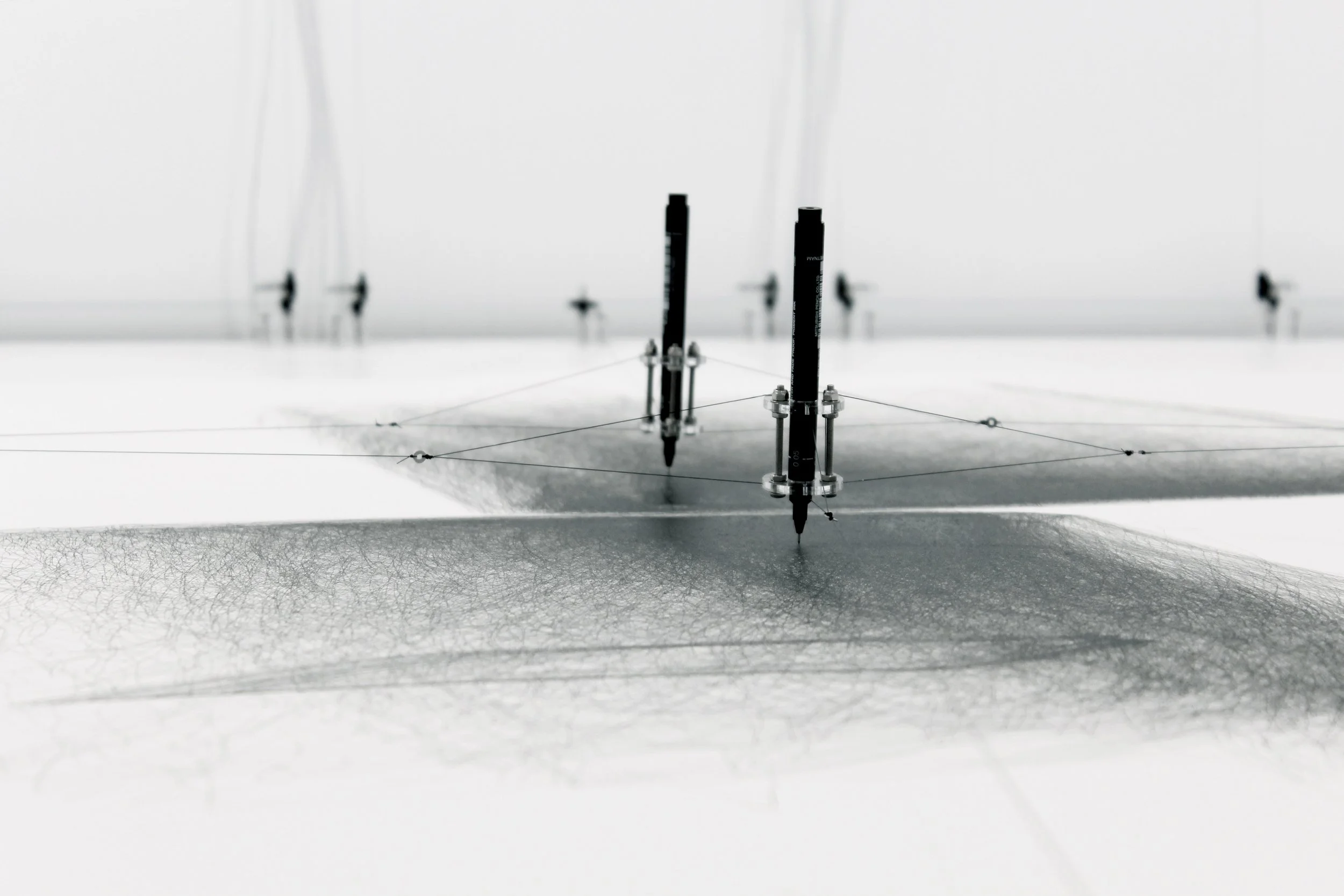
I really enjoy building small machines using motors, cut pieces and simple mechanisms. It is very easy to begin automating something simple. You can tell a motor to turn a certain number of times in one direction, then another number in the other direction, and repeat. You can put a thread under tension with a weight, attach a pen and work with the mechanics so the pen remains vertical.
When I make interventions in galleries or museums, I try not to hide anything. I like the idea that a child, or anyone, can come and understand, "Okay, this is something I could make." What interests me is what happens when complexity emerges from these simple conditions. With one thread, the pen moves predictably. With two, the movement becomes more complex. With three, suddenly it becomes something I cannot fully understand myself.
So complexity matters only when it grows out of something simple and legible?
EC: Exactly. I am not interested in complexity for its own sake. What interests me is combining something extremely simple, something we could build here on this table, with technology that can be learned relatively quickly and simple code, and producing a result of enormous complexity.
For me, this is also a way of demystifying the machine. All these tools that surround us—our phones, computers, and other technologies—are not magic. They are made of things that are much closer and more accessible than we often imagine.
At IAAC, for many years, we had Fab Lab Kids, afternoons where children came and used machines. I find the idea that a child of eight can begin to interact with a robot fascinating. It makes the machine less distant, less mysterious. The important thing is to understand that the robot is not something impossible or inaccessible.
For me, this connects again to the desire to keep the machine close: to understand what it is doing, to be able to intervene in it, and to see what happens when simple mechanisms begin to produce complexity.
VIDEO ABOVE: ‘, ‘PLANET CITY‘ © LIAM YOUNG