

Liam Young is more than a contemporary architect and filmmaker. Seeing the world through storytelling, he builds worlds between design, fiction, and speculative futures. Liam is the founder of Tomorrows Thoughts Today—a think-tank for urban futures—and Unknown Fields—a nomadic research studio that produces objects and films about alternative landscapes and industrial ecologies. Nominated for the BAFTA awards for his films and research, Young maps the architectures of a world increasingly shaped by humans. In this Post-Anthropocene reality, the line between the natural world and human-made systems has become difficult to draw. Data centres, sites of material extraction, and machine landscapes quietly construct our world: an intricate relationship between people and technology.
In this conversation, Young reflects with Marya Demetra Kanakis on world-building as a critical practice, the shifting role of architects amid automation, how storytelling can reclaim agency in a planetary-scale system designed by machines, and how we can become stewards of the Earth—toward a shared responsibility for the planet.
Interview by Marya Demetra Kanakis | Edition by Candela De Bortoli | Images and videos courtesy of Liam Young
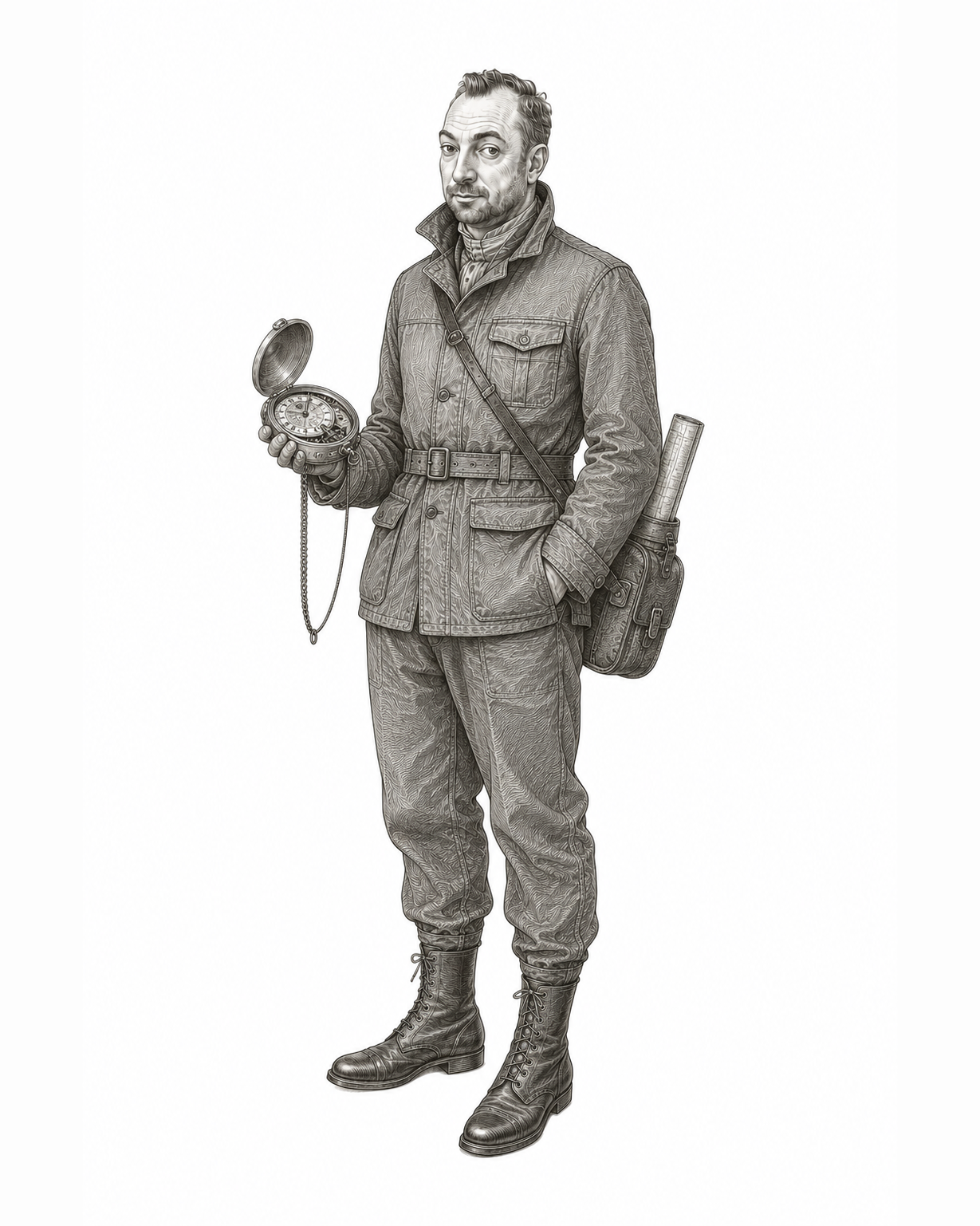
I’ve been following your work on Instagram, and I remember seeing a photo of you at an exhibition in Singapore. The dark LED glow and cables running behind screens set the tone for a technological speculation of cities—but it was your outfit that struck me the most! Against an image of an imagined city a hundred years into the future, your outfit made you look like a time traveller from another period: utilitarian jacket, Edwardian shoes. How does your work spill into your everyday life?
LY: (Laughs) For better or worse, being a creative practitioner today means existing as a brand. We all hate that, but we need to be visible; online, at openings, in dialogue. Who we are, what we wear, the typography we use, all of it becomes part of the project.
What frustrates me is how conformist that world can be. Artists claim to make speculative or avant-garde work, yet many adopt the same fonts, aesthetics, or Unreal Engine [3D computer graphics game engine] styles. I try to find my own patterns, my own directorial voice. Maybe that means I wear weird shoes, but that’s part of resisting the homogenization of creativity.
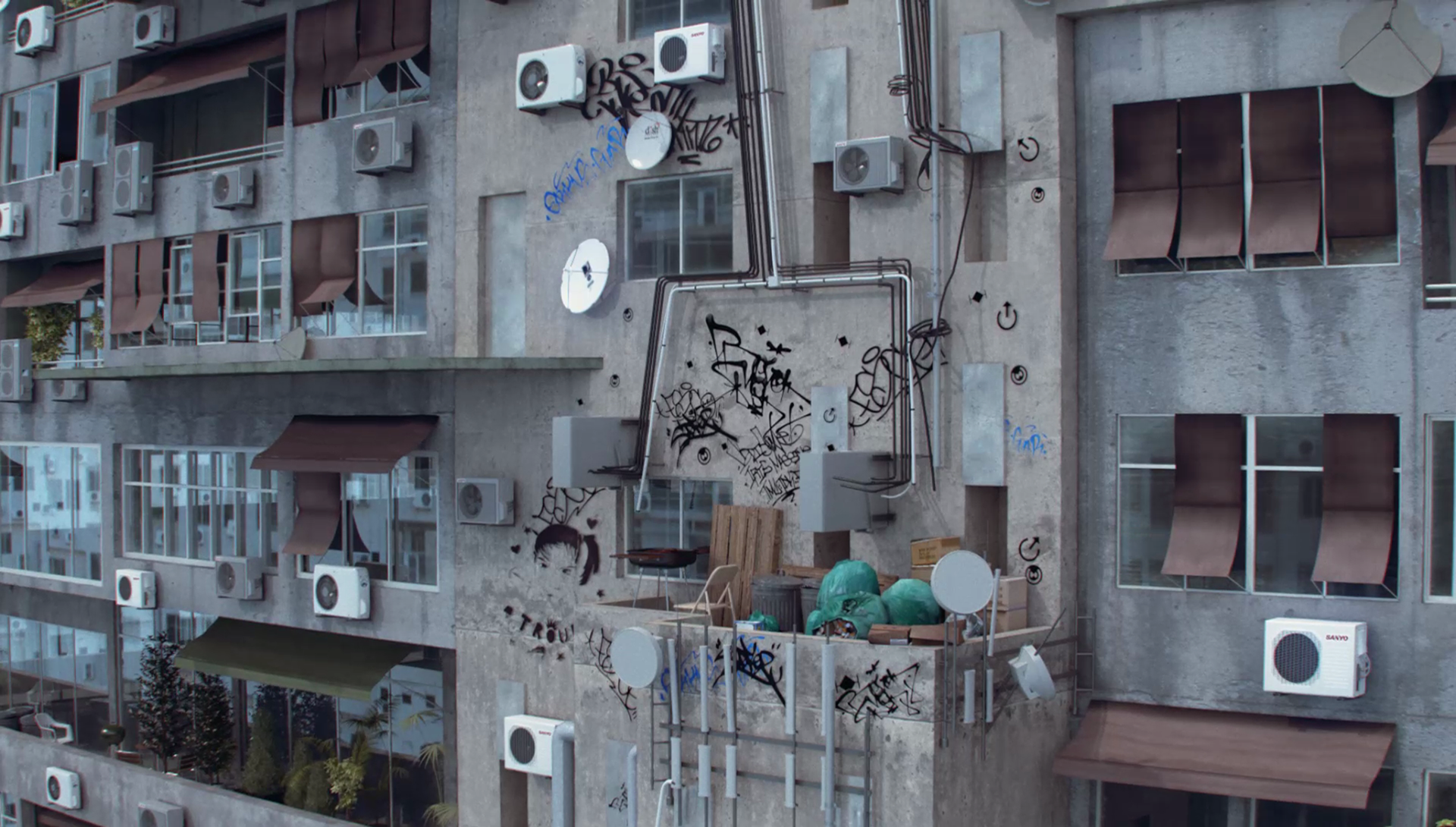
(Laughs) Fair. It’s avoiding ending up looking like everyone else, and that individuality extends into your speculative worlds. Your projects feel like infrastructures for imagination—dynamic systems, not fixed artefacts. I’m thinking of Tomorrow’s Stories, where inhabitants in a future version of the city of Athens are given a minimum basic floor area in a building, and they lease living space that morphs around them. How does that project challenge our cultural ideas about property or belonging?
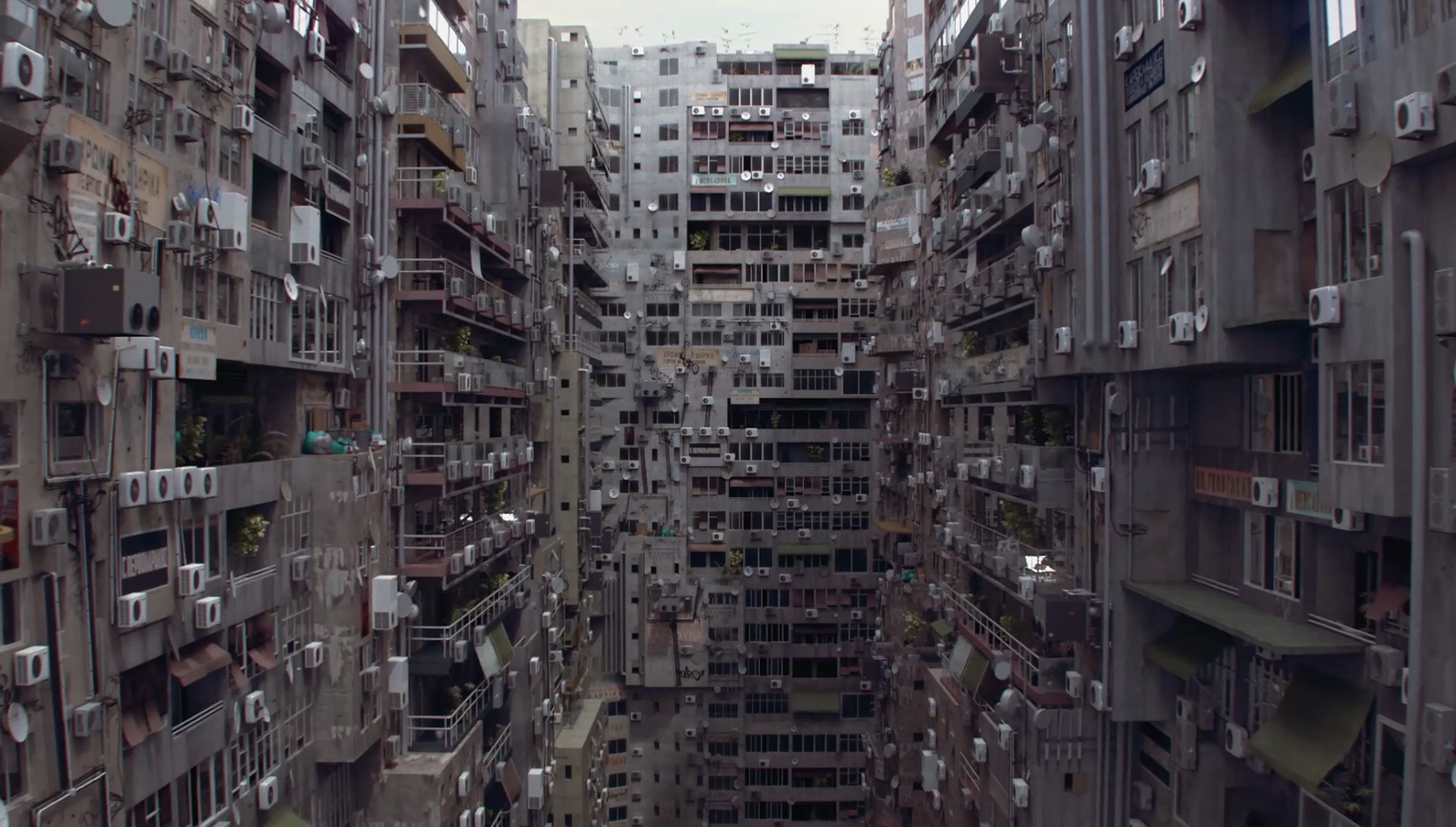
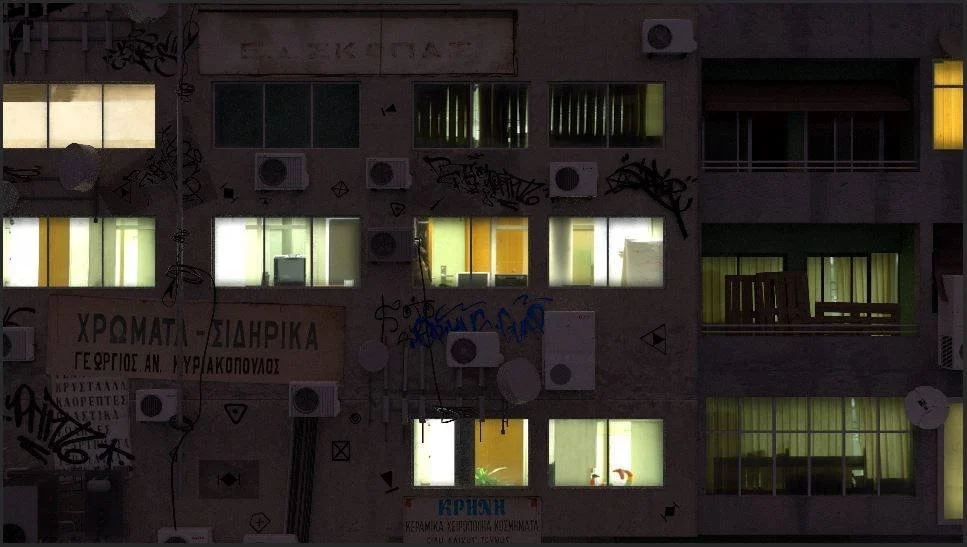
LY: Tomorrow’s Stories was an early experiment in world-building through collaboration. The idea was to imagine an Athens governed by AI, where citizenship is fluid and systems are renewable. In Athens, we brought together writers like Bruce Sterling [author of science-fiction novels] and James Bridle [who writes about digital networks and AI], along with Greek science-fiction authors, to collectively imagine what that could look like against the context of polykatoikias [a famous typology of multi-housing building blocks from the 20th century in the Greek capital].
The city’s architecture was based on a kind of nomadic floor plate: flexible spaces that constantly shift functions. A café in the morning becomes a kindergarten, then a nightclub at night. Home becomes something fluid, reflecting how we already live online: less tied to physical neighbours, more to distributed networks. The core of the project was the collective act of imagining that world.
That ties closely to Where the City Can’t See, a 2016 film that is set in a future Chinese-owned and controlled Detroit Economic Zone, or DEZ. It explored technology and visibility in urban space, where navigation and surveillance systems like Google Maps and CCTV are ruling our cities. How did that project come about?
LY: That work came from a desire to create counter-narratives. Around that time, the stories we were told about technology were relentlessly optimistic; every app was going to make our lives better, faster, more connected. I wanted to complicate that story.
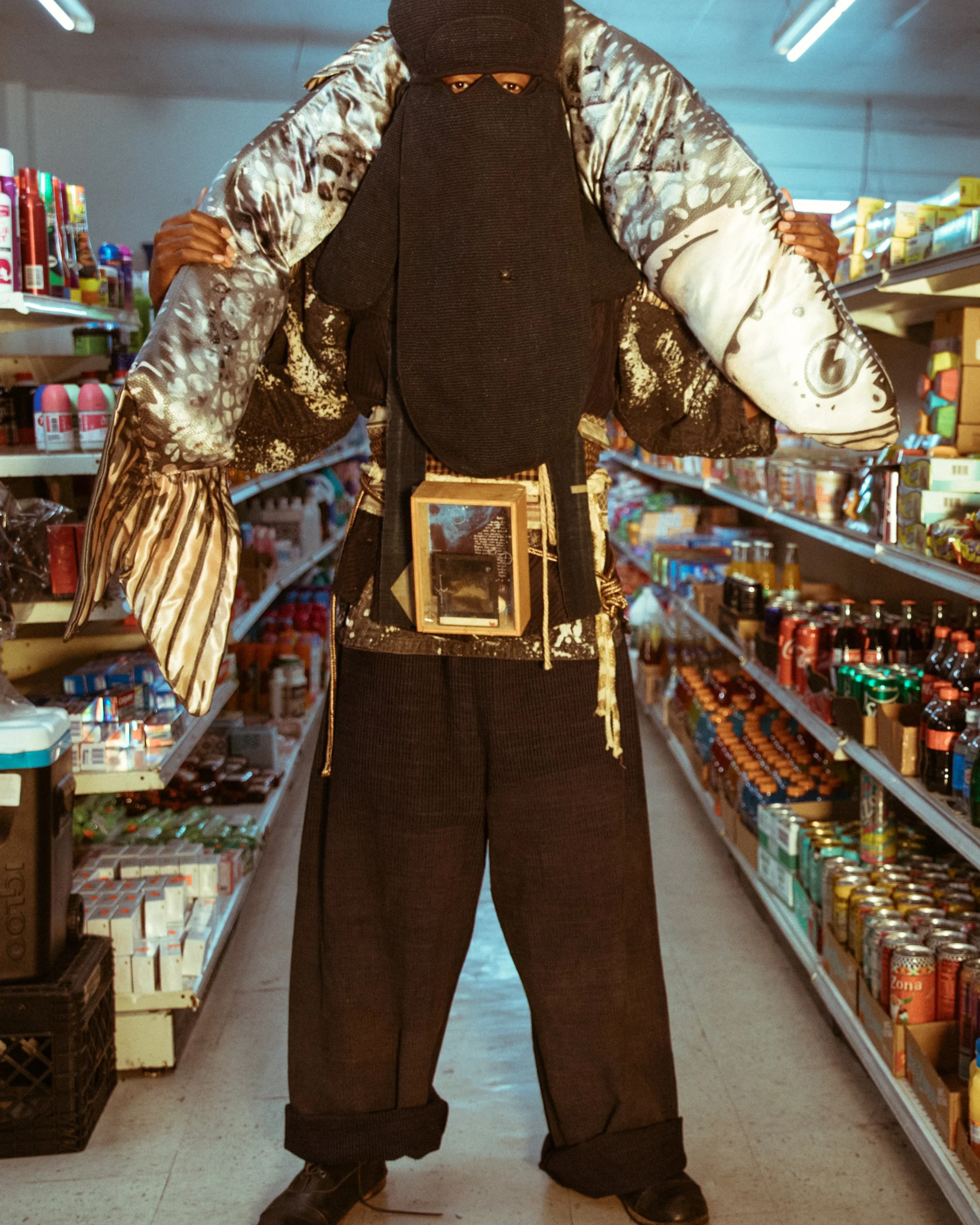
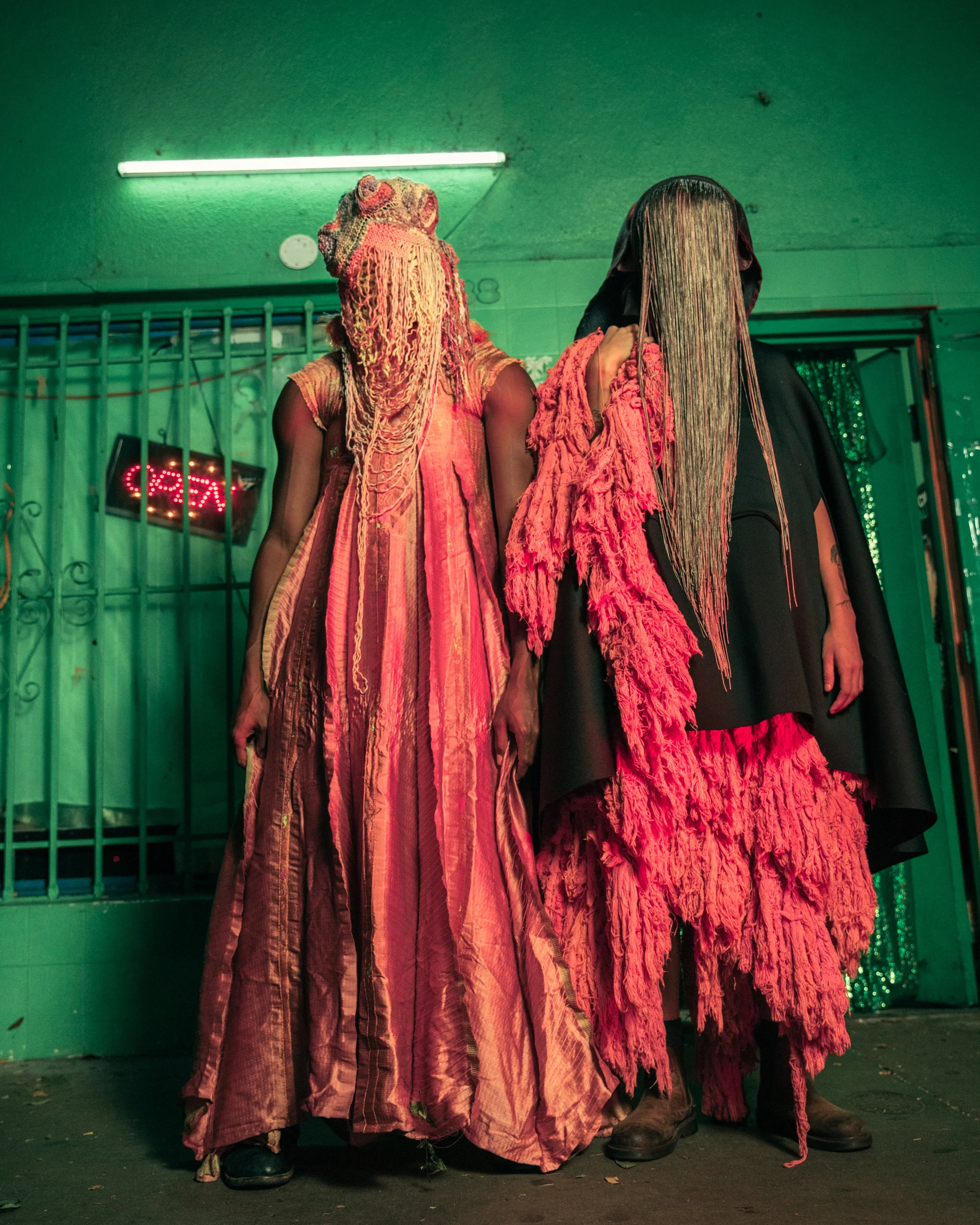
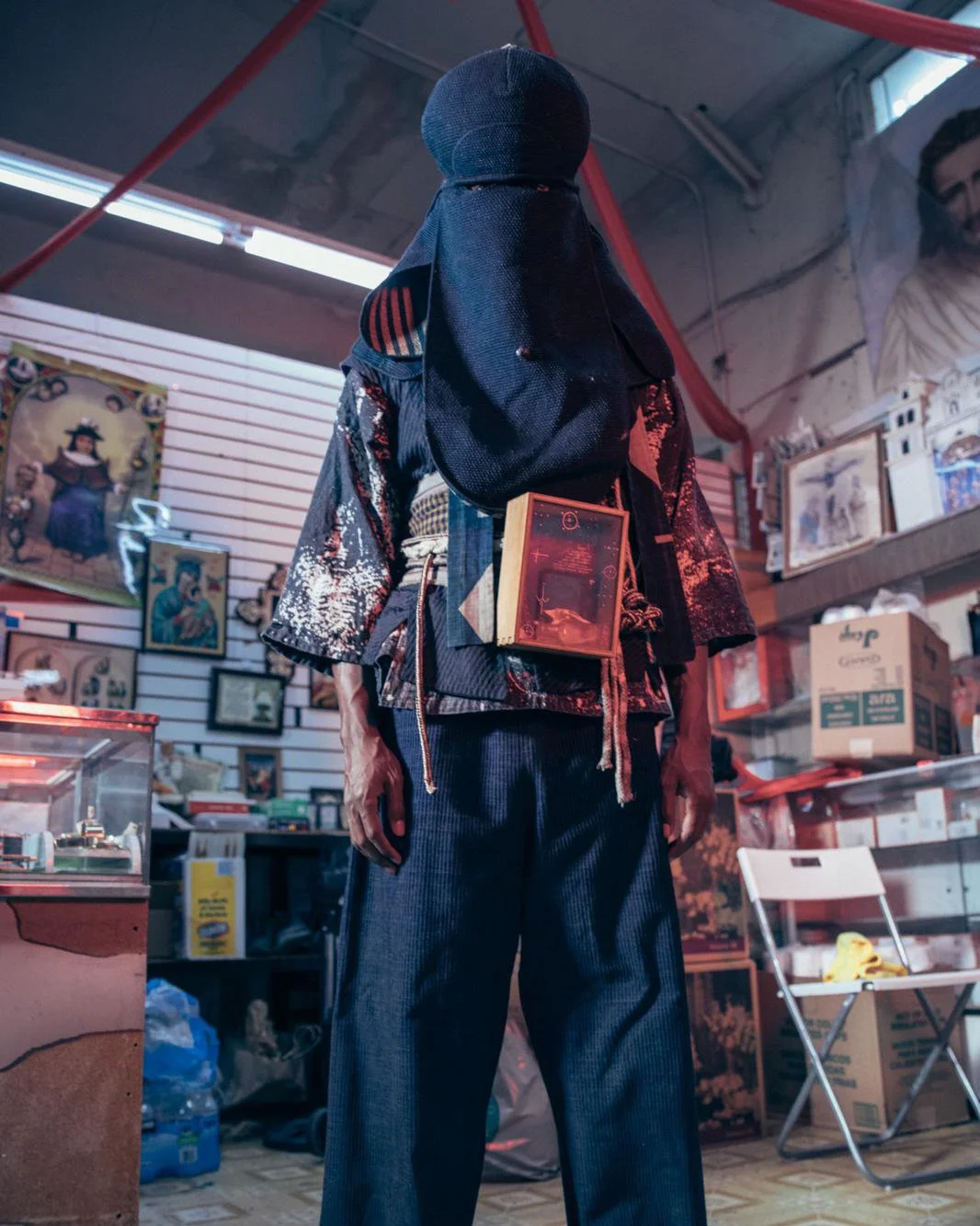
Where the City Can’t See imagined a city built for autonomous machines, where human inhabitants wear ‘camouflage’ costumes that fool machine vision. These iridescent textiles distort how laser scanners read bodies, creating glitches and voids, spaces of exception—or blind spots—in a city of total surveillance.
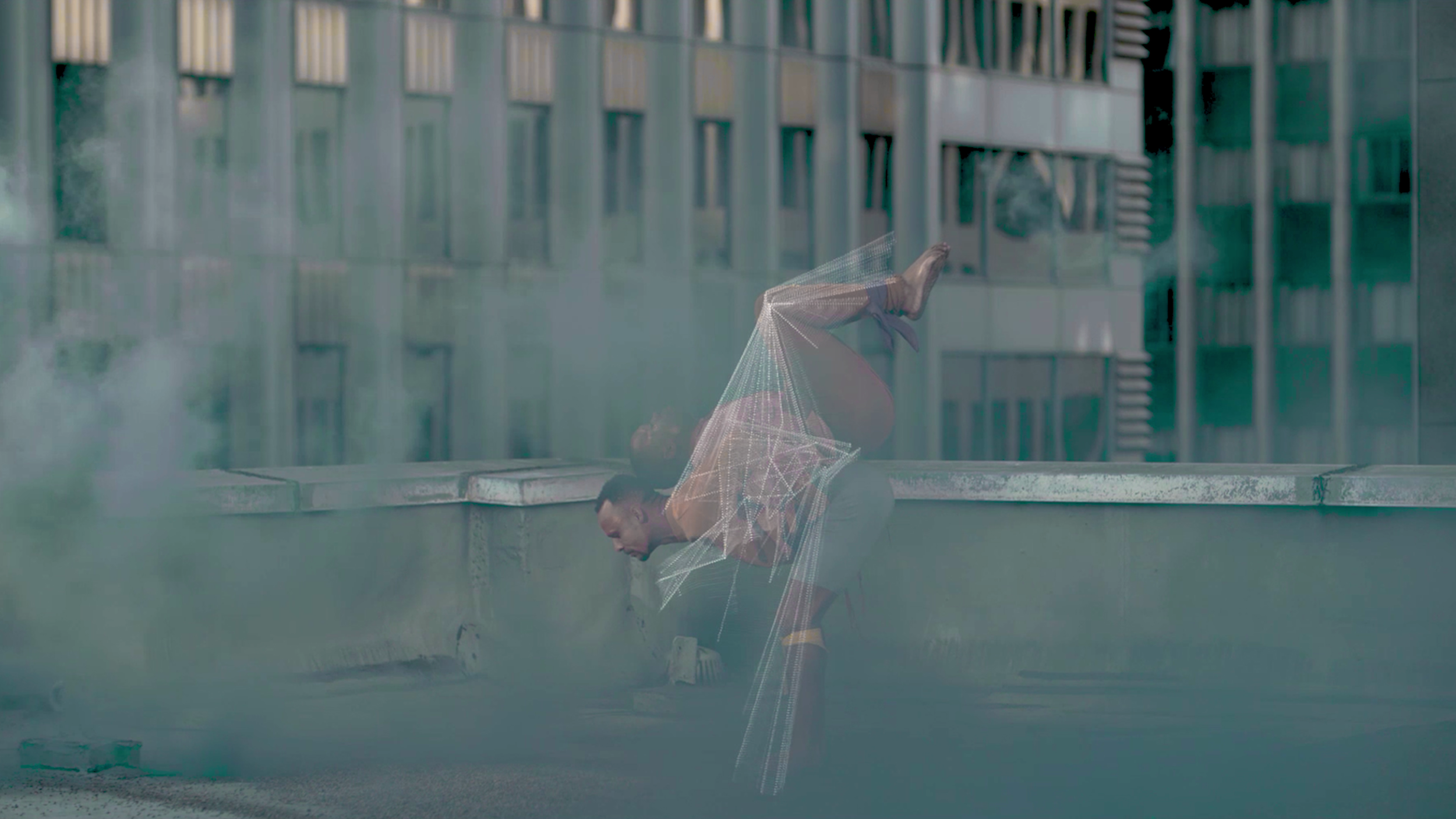
Out of that came Choreographic Camouflage, with American choreographer Jacob Jonas, where we developed movements that confuse gait-detection algorithms [software that identifies people by the way they walk]. Two people dancing together might register as one body. It was about exposing the biases in technologies that claim to be neutral.
There’s an interesting inversion there: you work at planetary scale, but often involving human bodies, which can feel very intimate.
LY: Exactly. Culture and technology are inseparable. The infrastructures of Artificial Intelligence [AI] and the corporations that shape our planet have real consequences at the scale of the face, of identity, of what we wear. My work oscillates between those extremes—planetary systems and bodily consequences. They’re part of the same network.
That reminds me of your writing in the book Machine Landscapes [Architectural Design (AD), Profile No 257, January/February 2019, guest-edited by Young]. You were one of the first architects mapping data centres—these hidden infrastructures of AI. Now their impact is hard to miss, even provoking environmental protests. The unprecedented demand for data centre construction and artificial intelligence software in Chicago, for example, is putting the Great Lakes’ freshwater resources at risk; we are seeing examples like this in headlines across the world.
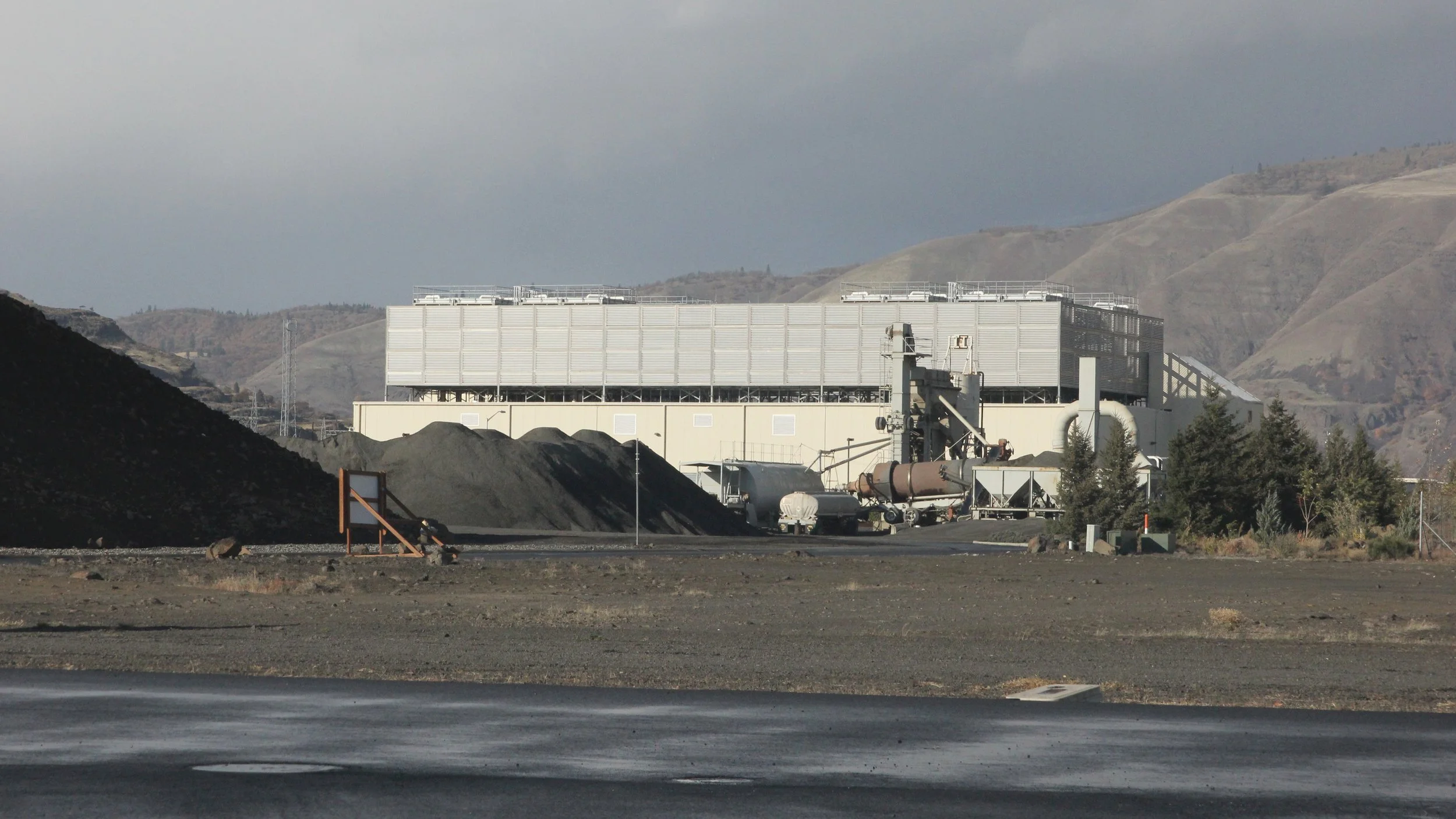
LY: Yes, I’ve been a data-centre tourist for years. Early on, no one in architecture cared about them, but I saw them as the new cultural typologies of our age—these cathedrals of computation. The ‘cloud’ is profoundly material: warehouses, servers, water, rare earth elements.
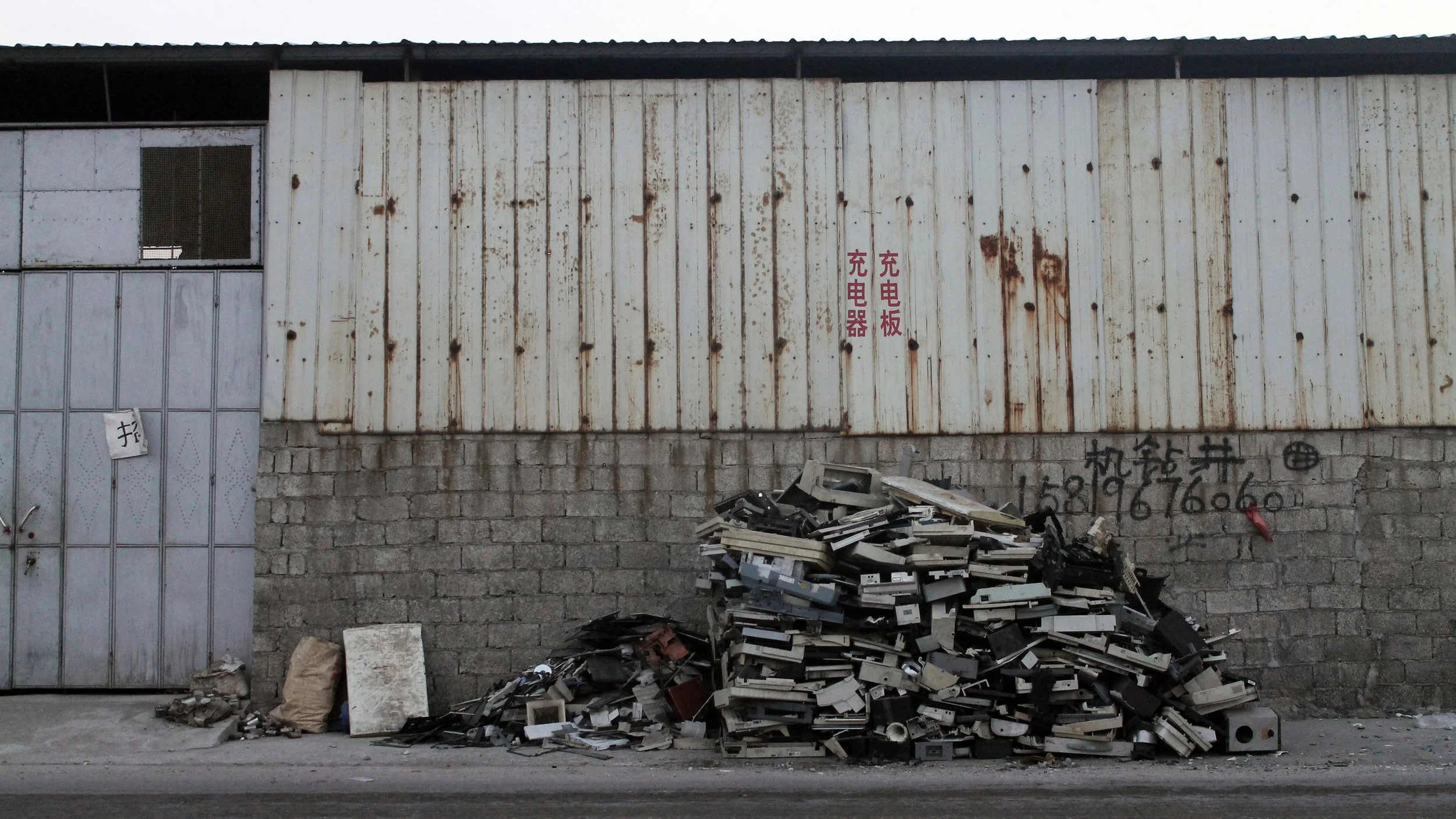
We visited data centres in New Jersey, the lithium mines of Bolivia and Chile, and the world’s largest rare-earth mines in China. We’ve seen how communities are displaced, how coal plants reopen to meet energy demand. While my earlier work documented that reality, now I’m more interested in what comes after documentation. How do we reimagine these infrastructures responsibly? How do we involve indigenous communities in ownership, refuse models of extraction, and visualise viable futures? Because visualising is the first step to realising it.
That connects to legal frameworks too, countries recognising rivers or forests as legal persons or entities, for example. If we granted every landscape those rights, terraforming [deliberately engineering the planet to suit human needs] might slow. As an educator, how do you advise young practitioners to respond to these planetary crises?
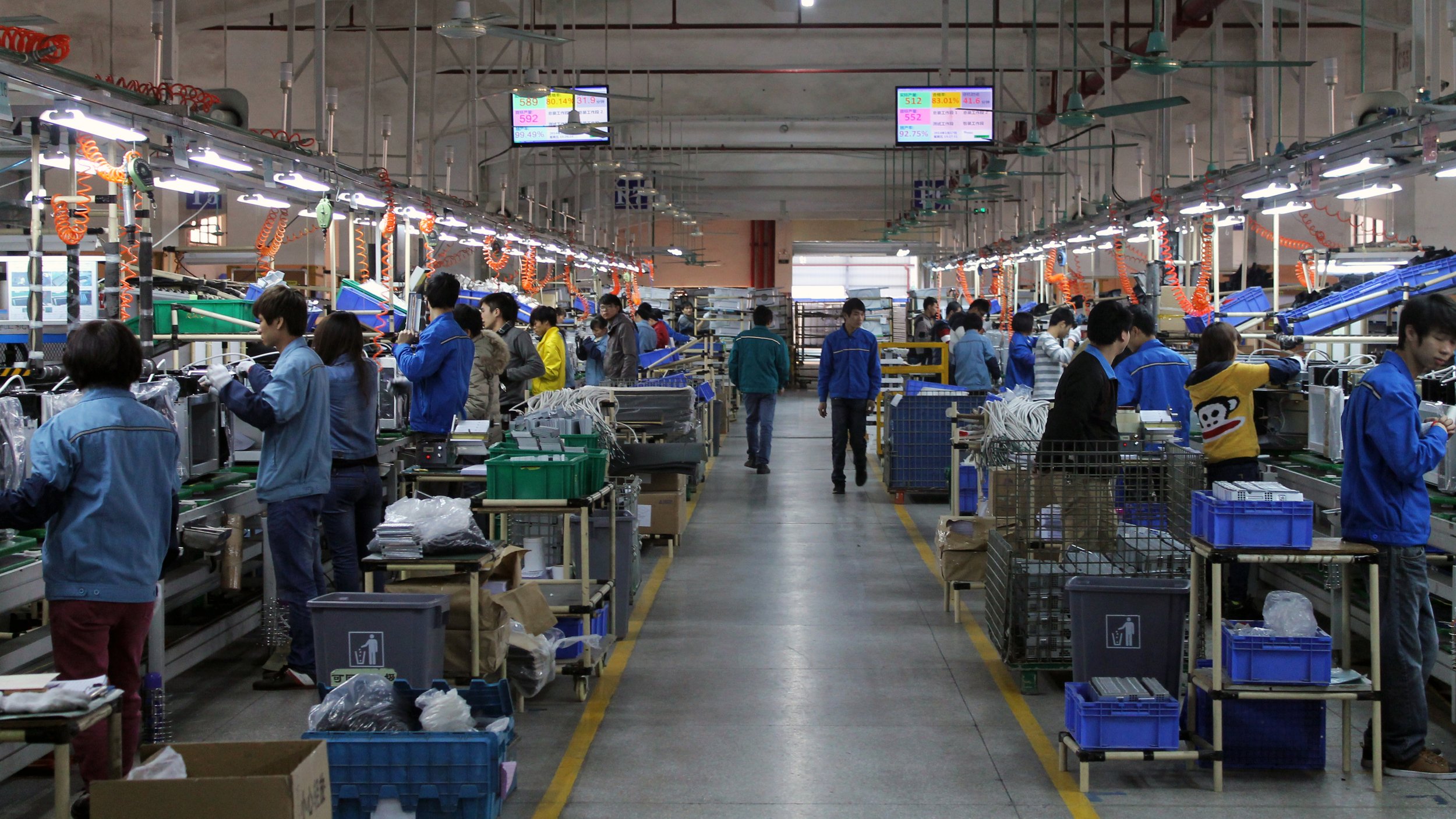
LY: I’m often described as a world-builder, and that’s become both a practice and a methodology. Traditionally, architects designed buildings, landscape architects designed what’s between them, and urbanists organised both. But today, every design decision has planetary consequences. Choosing a material for a shoe sole affects a community in Indonesia that produces it. The genre of our generation is world-building, designing with full awareness of those planetary interconnections.
That’s why I direct the World Building program at SCI-Arc. It trains architects, filmmakers, game designers, and artists to think beyond objects—to design systems, stories, and speculative worlds that shape culture. It’s both a methodology and a career path.
That’s something I’d love to see across academia—replacing architecture programs with world-building ones.
LY: Exactly. Most students don’t end up designing skyscrapers. They go into storytelling, writing, games, activism—and yet our schools still teach as if the goal is to become the next starchitect. The profession is dissolving—and that’s not a tragedy, it’s an evolution. World-building offers a new framework for design education that matches the complexities of our time.
You’ve described your work as creating ‘new planetary imaginaries.’ What does that mean to you?
LY: To me, those are visions of the future. When we close our eyes and think of utopian futures, we tend to imagine the same things: trees on rooftops, community gardens in Brooklyn, sustainable energy, local food. These are all small-scale images born out of the failed ideals of boho green [relaxed, bohemian, sustainable] living. Meanwhile, the only visions of planetary-scale change we see in popular culture are dystopian—the [James] Bond villain, the megacorporation terraforming Earth. My work tries to reclaim that scale, to imagine viable futures at the planetary level. Climate change isn’t a technological problem anymore; it’s a crisis of imagination.



Could you give an example of a project that embodies that idea?
LY: Probably my most well-known project is Planet City, a thought experiment imagining a single city for the entire population of Earth—10 billion people, the projected population by 2050. The idea began with [American] biologist Edward O. Wilson’s proposal to give half of the planet back to other species. As an architect, I thought: if we’ve already terraformed the entire Earth in service of human cities, what would it mean to shrink human occupation to just half?Planet Cityimagines all ten billion people living in a city roughly the size of Texas, powered entirely by existing renewable technologies. It’s not sci-fi in the sense of blue aliens or warp drives; it’s built from what we already have today.



When did you realise you wanted to be a world-maker?
LY: I’ve always been fascinated by how science fiction shapes reality. The futures we imagine become the futures we live in. The inventor of the pacemaker [Earl Bakken] was inspired by Mary Shelley’s novel Frankenstein. [French novelist] Jules Verne imagined submarines before they existed. Mae Jemison, the first Black female astronaut, was inspired by Star Trek.
Science fiction doesn’t predict the future; it inspires it. Rather than a prediction, 1984 was a warning about the present. We didn’t listen, and here we are.
Speculative design has always emerged in moments of urgency—like the 1960s and ’70s, when [experimental British architectural collective] Archigram and [Italian avant-garde architecture group] Superstudio reimagined the world in response to new technologies and ecological awareness. I think we’re in a similar moment now. The technologies are here, but our culture hasn’t caught up. That’s why imagining futures is once again the most critical design act.
What’s your latest project?
LY: A project called World Machine, which is included in my latest show at the Barbican [called In Other Worlds, in London, running until Sept 6th]. The film looks at what happens when we take our AI dreams to their logical extreme—terraforming the entire Earth in service of a planetary-scale supercomputer. As these infrastructures become more global, we’re investigating raw-material landscapes, data labour [the often invisible human work that keeps AI systems running], and universal basic income models. It’s both terrifying and fascinating, but that’s exactly where the imagination needs to go.