

Seeing the world through storytelling, Liam Young is more than a contemporary architect and filmmaker: he builds worlds between design, fiction, and futures. As an artist, director, and BAFTA-nominated producer, Liam creates imaginary worlds as a way of thinking through the futures we fear, desire, and are already inhabiting. Described by the BBC as "the man designing our futures," his speculative films and research map the architectures of our Post-Anthropocene reality, a state of the world where human entanglement in landscapes blurs the boundaries of nature and culture. Data centers, sites of material extraction, and machine landscapes quietly construct our world, a choreography of humans and technology.
His films have premiered at Tribeca, the Venice Biennale, and the Royal Academy, and been broadcast by Channel 4 and the BBC, while his work is held in the permanent collections of MoMA, the Smithsonian, the V&A, and Rome's MAXXI Museum, among many others. That same world-building practice extends into film, television, and games, as visual consultant on Apple's Golden Globe and BAFTA-nominated Swan Song, starring Mahershala Ali and Awkwafina, and into industry, with clients ranging from Nike to NASA JPL, Google to the Dubai Government. Liam's visualizations aid us in seeing the futures that are already here. As Director of SCI-Arc's Master in Fiction and Entertainment programme, following guest professorships at Princeton, MIT, and Cambridge, he is shaping the next generation of futurists.
In this conversation, Liam reflects with COTF on world-building as a critical design practice, the shifting role of architects amid automation, how storytelling can reclaim agency in a planetary system designed by machines, and how we can become stewards of the earth, toward a planetary citizenship.
© Oyler Wu Collaborative
Interview by Asiel Nuñez | Edition by Candela De Bortoli | Images and videos courtesy of Oyler Wu Collaborative
Your work keeps coming back to the idea of the puzzle. What draws you to it?
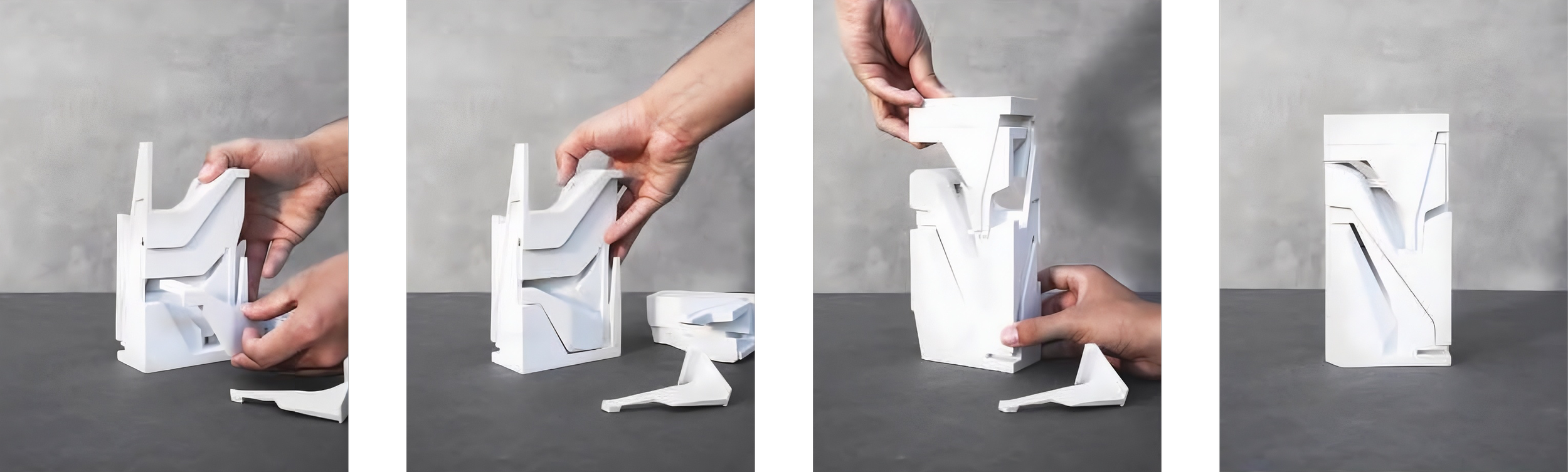
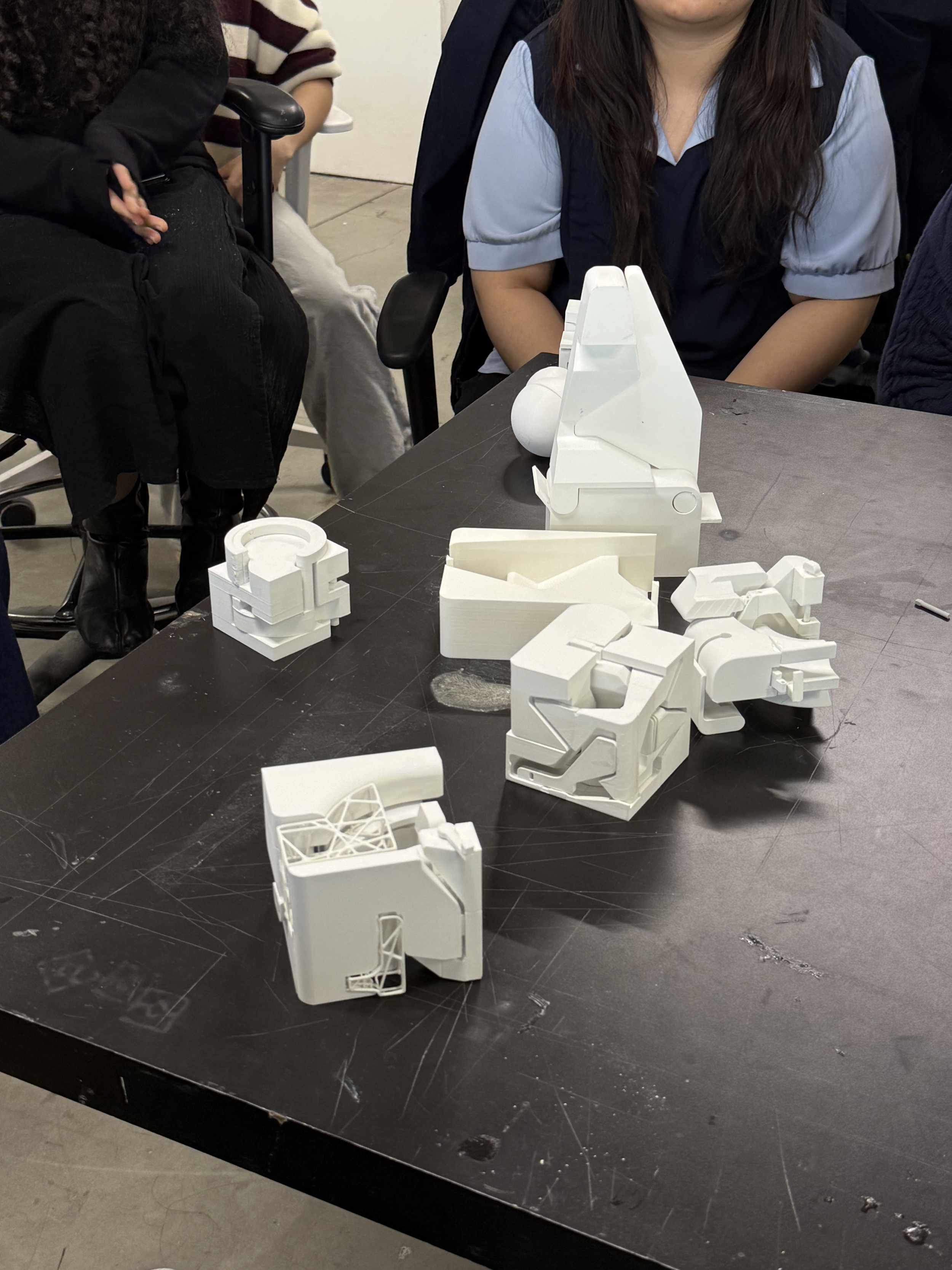
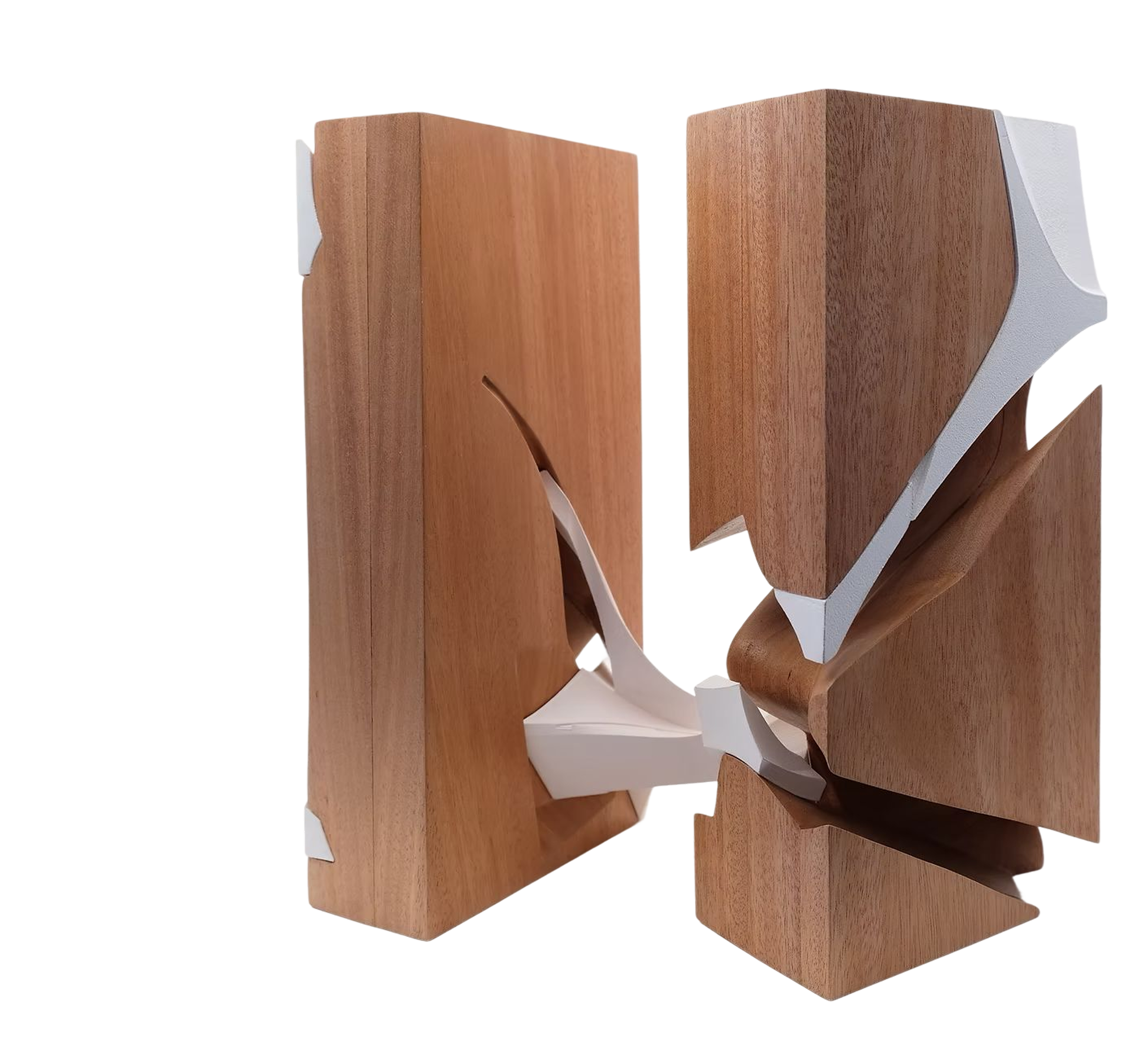
Dwayne Oyler: A puzzle is first and foremost something that engages you. It forces human interaction—you want to solve it. It requires that you get in there, understand it, interact with it physically. It is a process of learning and discovery, shaped by the geometry, the clues, and the way the parts describe themselves. It's also inherently aesthetic. There are very few puzzles you could make that don't have an aesthetic, because the nature of their interaction requires a geometric dialogue between the parts. The idea that it forces you to engage with those qualities intellectually—that's what makes it so wonderful.
Jenny Wu: Puzzles are not just a formal problem. There are interesting ways of creating one element that fits perfectly together, then pulls apart to reveal connections and inner spaces that weren't visible before. A piece here might connect to something somewhere else. That has real spatial potential—and it can operate at many scales: a handrail detail, a building, a city.
How does that thinking translate into actual architecture?
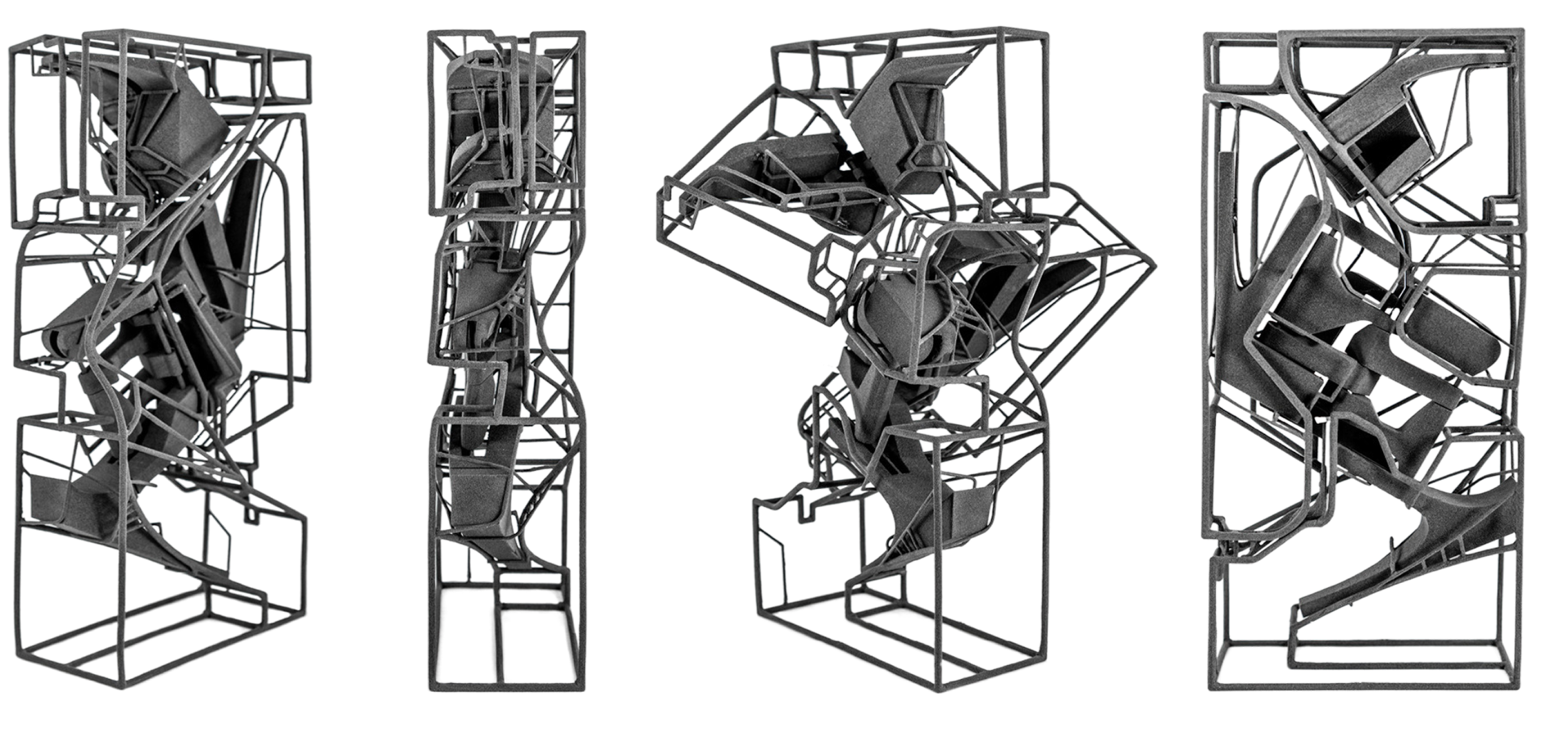
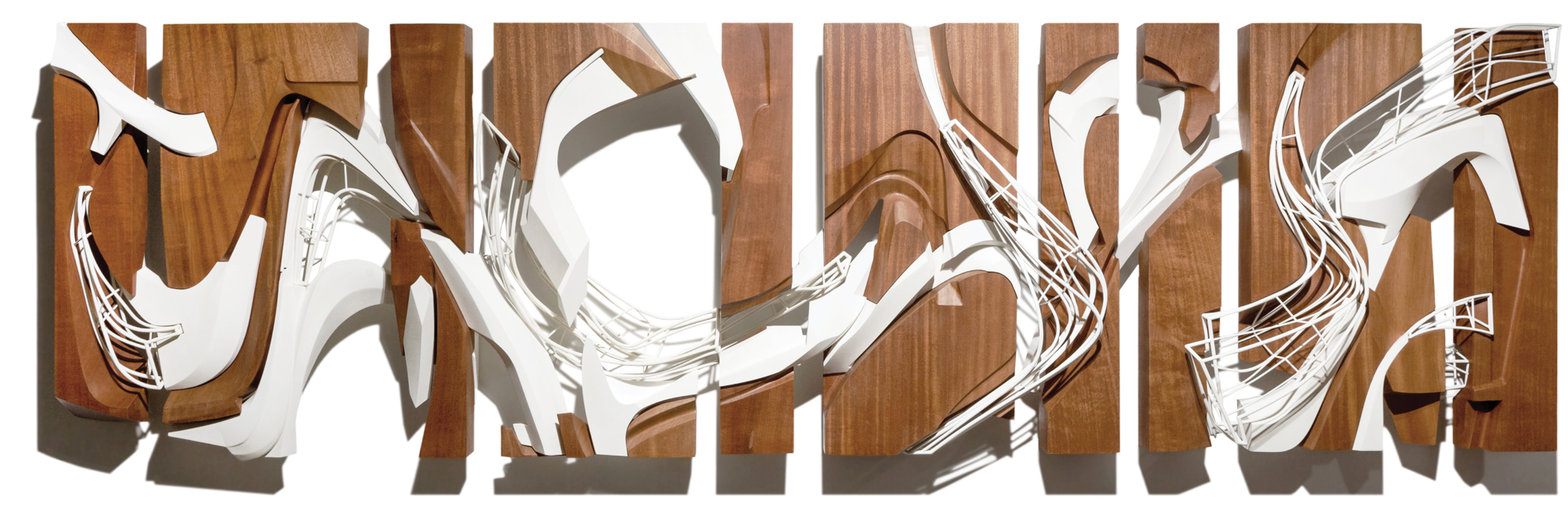
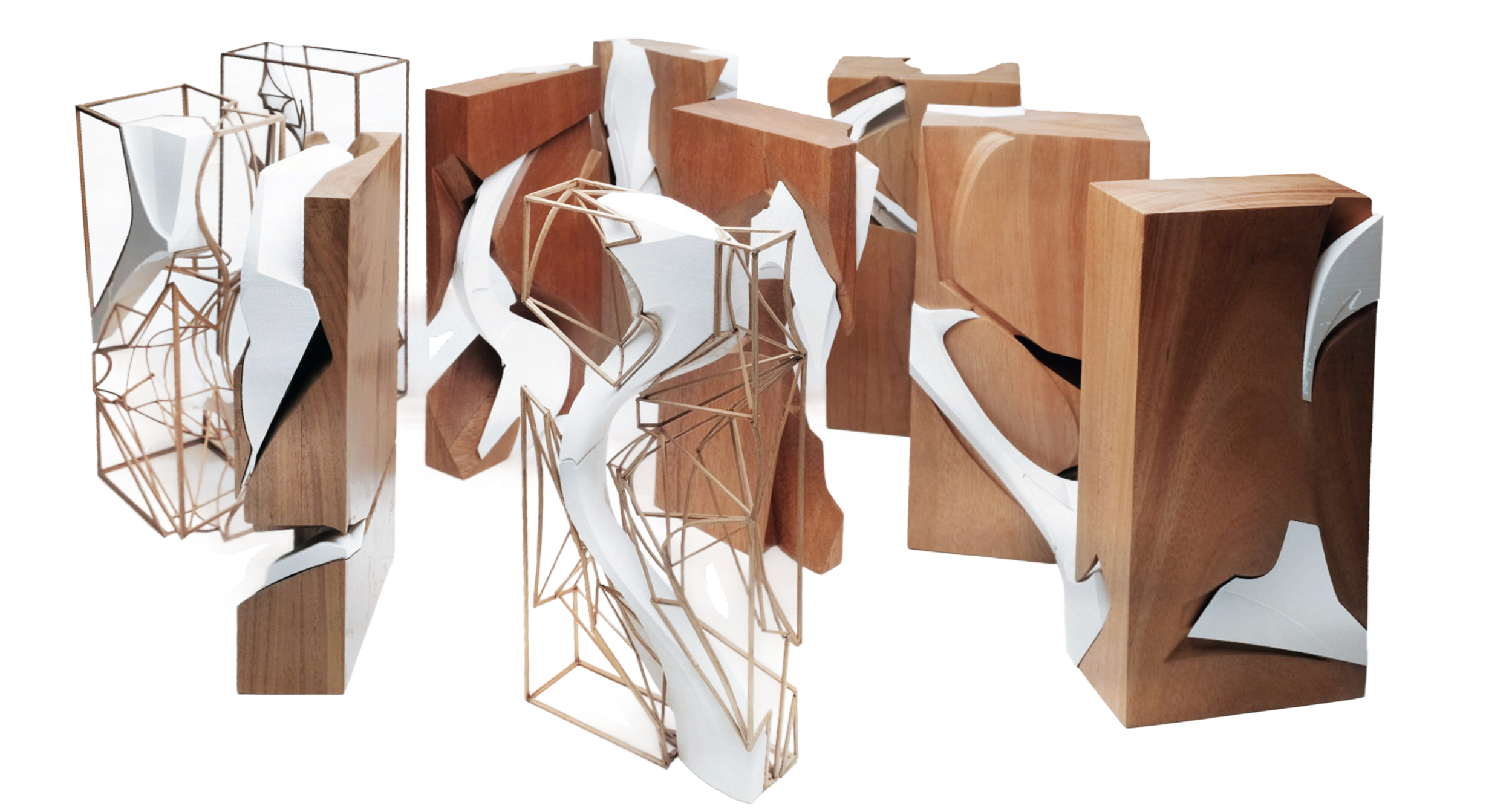
DO: It can deal with program in interesting ways—not just placing two things side by side, but wrapping one around another, nesting things inside each other, working across multiple scales. A few years ago, we developed what we call "active inlays": objects embedded inside other puzzle objects. The more we made them, the more questions came up around perception. How do you read the depth of an object? Does it look like a surface, or can you sense what's behind it? Those questions had real parallels with architecture—facades, deep spaces, volumes within larger masses.
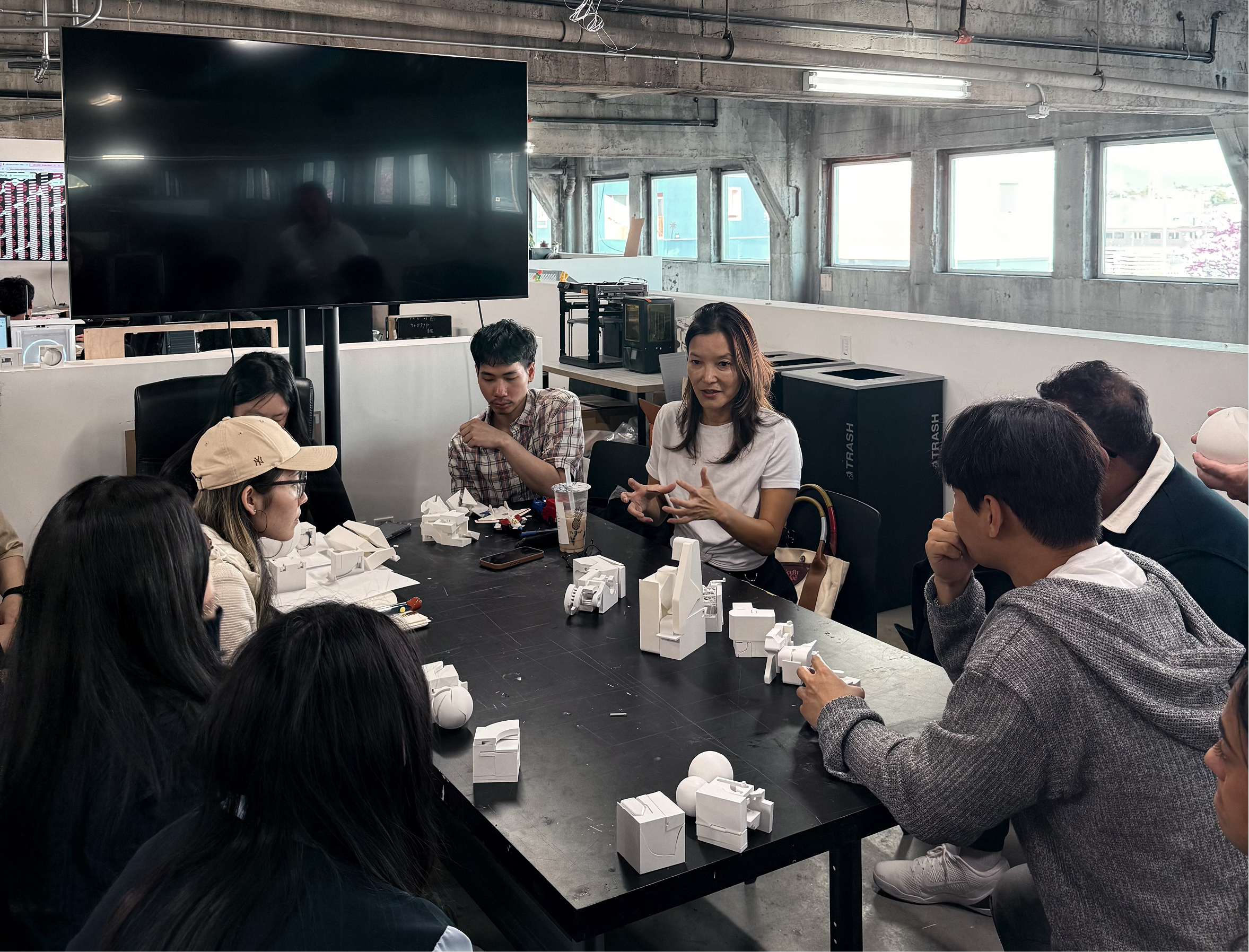
JW: I also teach this in my own studios, and students produce very different geometries and aesthetics. The point is not for them to do what I do—it's for them to find their own way in.


IMAGES & VIDEO ABOVE, LEFT TO RIGHT, TOP TO BOTTOM: ‘TOMOROW’S STORIES ‘, ‘WHERE THE CITY CAN’T SEE ‘, ‘TOMOROW’S STORIES ‘, ‘WHERE THE CITY CAN’T SEE ‘ © LIAM YOUNG
How did each of you first end up in architecture?
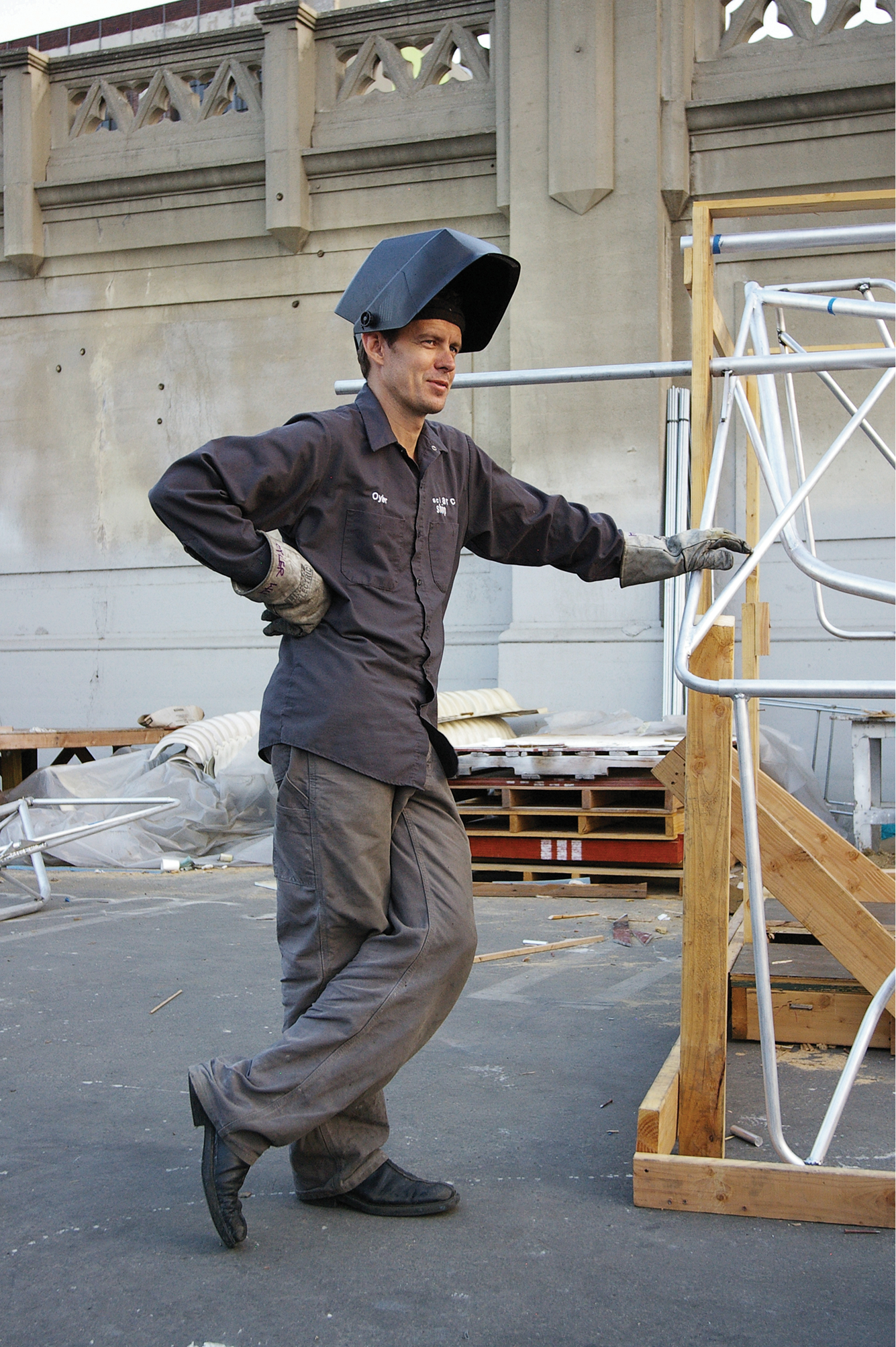
JW: My parents were developers in Taiwan, so I grew up around real estate, construction, and selling. My dad did everything—from designing to selling the units. I was on construction sites all the time. I thought designing buildings sounded cool, but I didn't yet know what the creative side of it really meant.
When I went to Columbia for undergrad, I arrived during a really exciting moment. The graduate school was launching the Paperless Studios [an experimental studio by Bernard Tschumi that questioned how architects think through the tools they are using for representation], and I remember thinking: this is such an interesting field. Being asked to design things unlike anything I'd ever seen before was amazing. It wasn't just: design a house. Creativity was central from the start, and I hope I've held onto that.
DO: I also started early. I could draw from day one, and everyone around me assumed I'd become an artist. But that never quite felt right—it didn't feel tangible enough.
After high school, I went to community college and studied art while working in what was basically the family business. My father worked in a cast iron foundry, and my brothers and I all worked there for a time. I was doing midnight shifts making cast iron pieces while studying art during the day. Being exposed to both ends of creating—art on one side, manufacturing on the other—naturally led me toward architecture. It sat right between those worlds. When I finally got to school, I was delighted to find it wasn't what I'd expected. I'd imagined something traditional and noble, closer to being a lawyer than an artist. But it was creative and thrilling. If it had been what I thought, I wouldn't be here.
Who were the early voices that shaped how you think?
JW: I remember Karen Fairbanks [now chair of the Department of Architecture at Columbia University] and working for her and Scott Marble early on. Paul Lewis, now at Princeton, was also there; I think I was in his very first class. It was formative to know those people from when they were just starting out.
DO: In undergrad, Bob Condia and Vladimir Christic were both critical—very different from each other, but both brilliant. Later, in New York, I worked in radically different environments: a corporate office, with Toshiko Mori, and with Lebbeus Woods—sometimes simultaneously. Lebbeus was probably the most important voice in shaping who I am as an architect. With Toshiko, I mostly worked on small houses in Florida—learning how to make things, and how to make them well. Where we are now as an office is largely the result of those different ways of thinking converging.
And then you started the office together. What were those early years actually like?
JW: Instead of entering competitions, we started building our own installations—our apartment, then my parents' backyard deck. With each step, the work got published and we became a little more confident. We realized there was something interesting about the way we could design and build things that a contractor might not be able to. That started a decade of installation work that really built the office, our name, and the direction of the practice.
DO: The first thing we did was our own loft in LA. Very small. We set aside one month's rent for the renovation—$2,400. The only things we could really afford were two-by-fours and plywood. What we had was the drive to put thousands of hours of labor into working those materials: trimming pieces down, making elaborate, lightweight doors and cabinetry. Eventually it was published in Interior Design magazine. The editor liked the project but said the furniture was terrible, so she arranged for us to borrow pieces from a store. The published version was our tiny-budget renovation with very expensive borrowed furniture—but it worked. That led to more installations, which eventually led us toward metalwork.
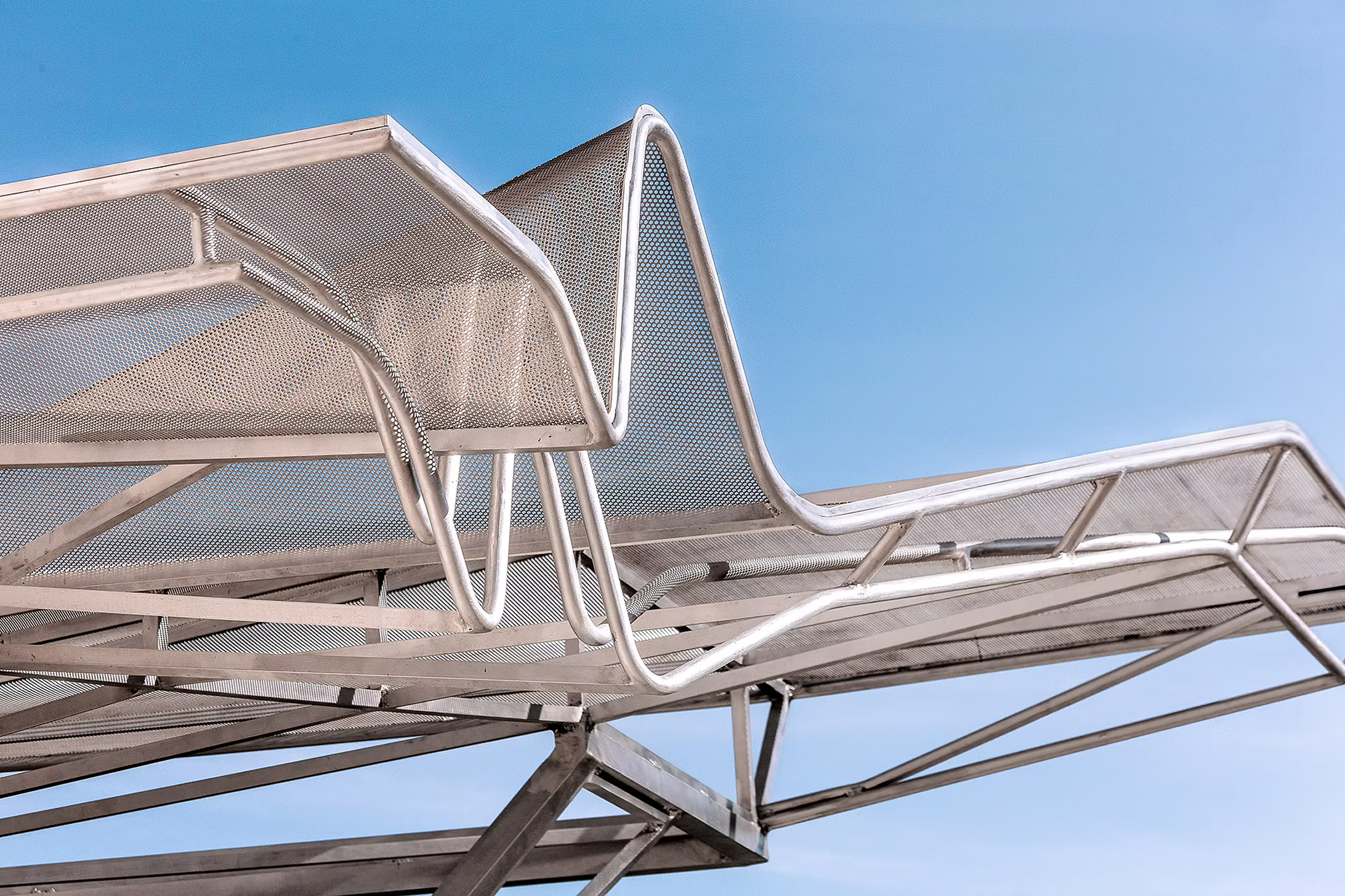
From the beginning, we always said a strong architecture office should be working on something—not just responding to whatever project walks through the door. Our common obsession early on was the idea of line in space. Line led to surface, surface led to volume—that's roughly the first ten years.
One thing that's been important about the way we live is that we've never tried to separate the different parts of our lives. Work, making, children, home, office—we bundle them as tightly as possible. The influences bounce off one another. For us, that's been incredibly fulfilling.
IMAGES & VIDEO ABOVE, LEFT TO RIGHT, TOP TO BOTTOM: ‘MACHINE LANSCAPES - EWASTE VILLAGE ‘, ‘PLANET CITY ‘, ‘GREAT ENDEAVOUR ‘, ‘MACHINE LANDSCAPES - GOOGLE DATA CENTRE ‘, ‘MACHINE LANDSCAPES - CHINA MICROWAVE FACTORY PRODUCTION LINE ‘, ‘MACHINE LANDSCAPES - FACEBOOK DATA CENTRE ‘, ‘GREAT ENDEAVOUR’ © LIAM YOUNG
That connects to legal frameworks too, countries recognising rivers or forests as legal persons or entities, for example. If we granted every landscape those rights, terraforming [deliberately engineering the planet to suit human needs] might slow. As an educator, how do you advise young practitioners to respond to these planetary crises?
LY: I’m often described as a world-builder, and that’s become both a practice and a methodology. Traditionally, architects designed buildings, landscape architects designed what’s between them, and urbanists organised both. But today, every design decision has planetary consequences. Choosing a material for a shoe sole affects a community in Indonesia that produces it. The genre of our generation is world-building, designing with full awareness of those planetary interconnections.
That’s why I direct the World Building program at SCI-Arc. It trains architects, filmmakers, game designers, and artists to think beyond objects—to design systems, stories, and speculative worlds that shape culture. It’s both a methodology and a career path.
That’s something I’d love to see across academia—replacing architecture programs with world-building ones.
LY: Exactly. Most students don’t end up designing skyscrapers. They go into storytelling, writing, games, activism—and yet our schools still teach as if the goal is to become the next starchitect. The profession is dissolving—and that’s not a tragedy, it’s an evolution. World-building offers a new framework for design education that matches the complexities of our time.
You’ve described your work as creating ‘new planetary imaginaries.’ What does that mean to you?
LY: To me, those are visions of the future. When we close our eyes and think of utopian futures, we tend to imagine the same things: trees on rooftops, community gardens in Brooklyn, sustainable energy, local food. These are all small-scale images born out of the failed ideals of boho green [relaxed, bohemian, sustainable] living. Meanwhile, the only visions of planetary-scale change we see in popular culture are dystopian—the [James] Bond villain, the megacorporation terraforming Earth. My work tries to reclaim that scale, to imagine viable futures at the planetary level. Climate change isn’t a technological problem anymore; it’s a crisis of imagination.
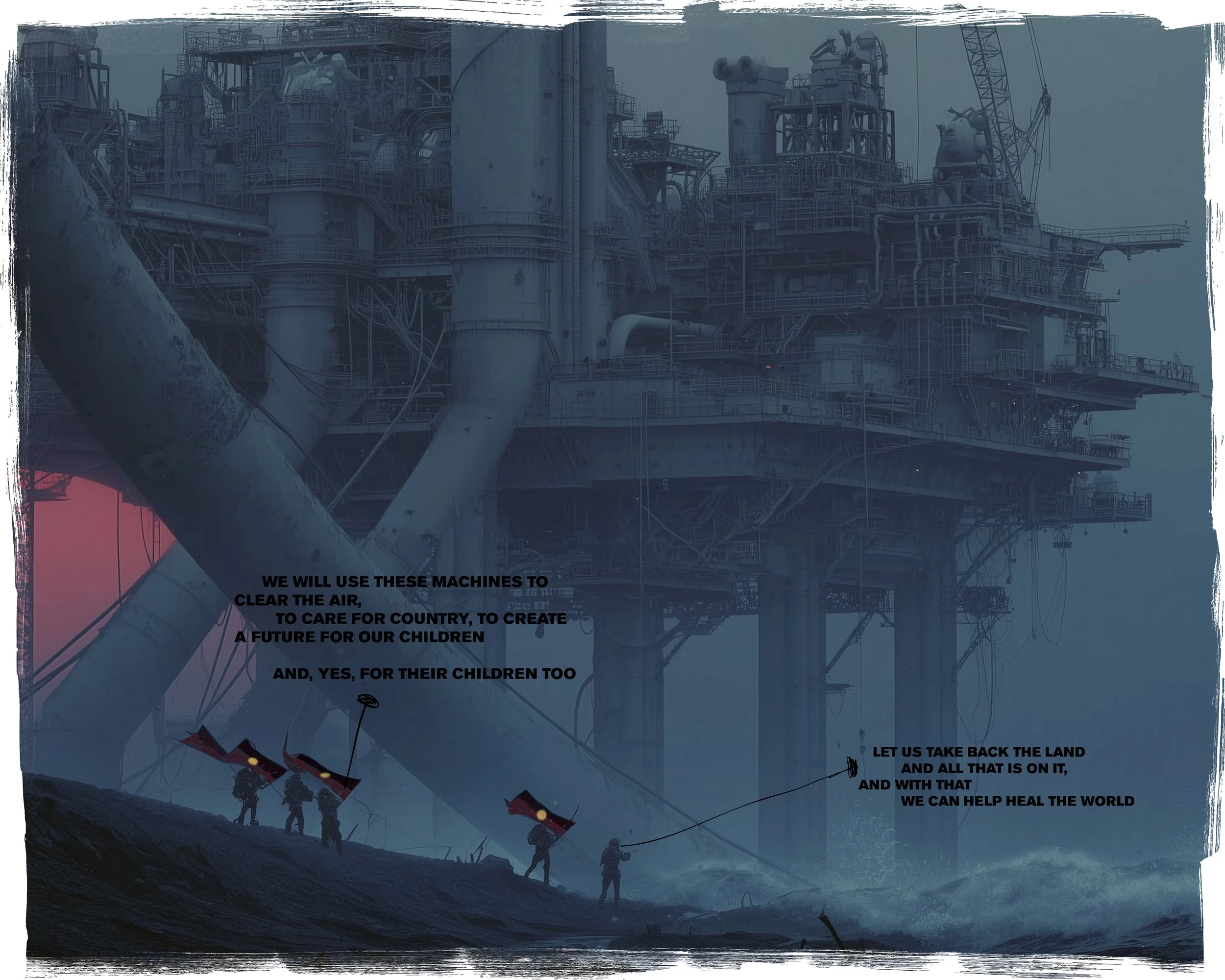
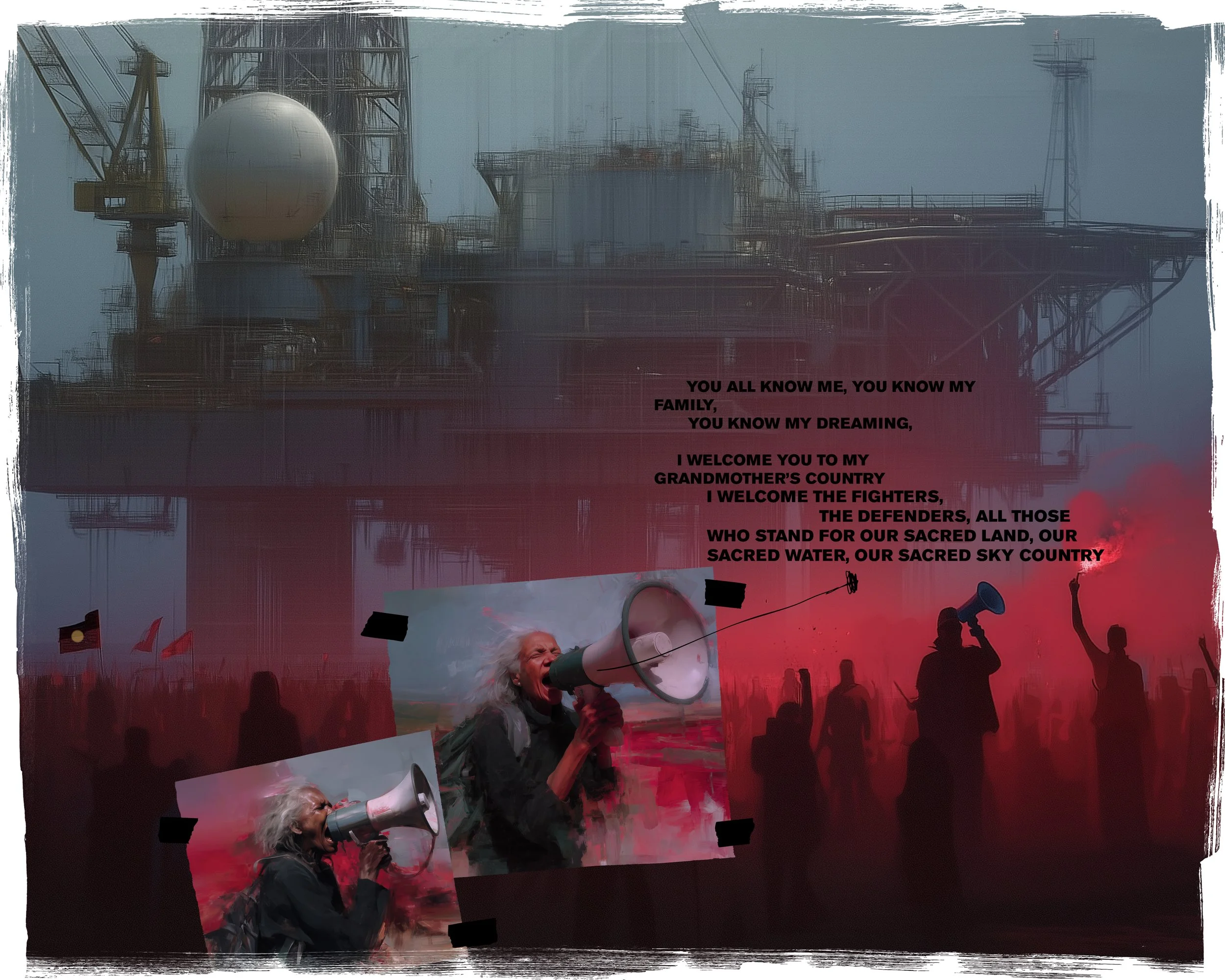
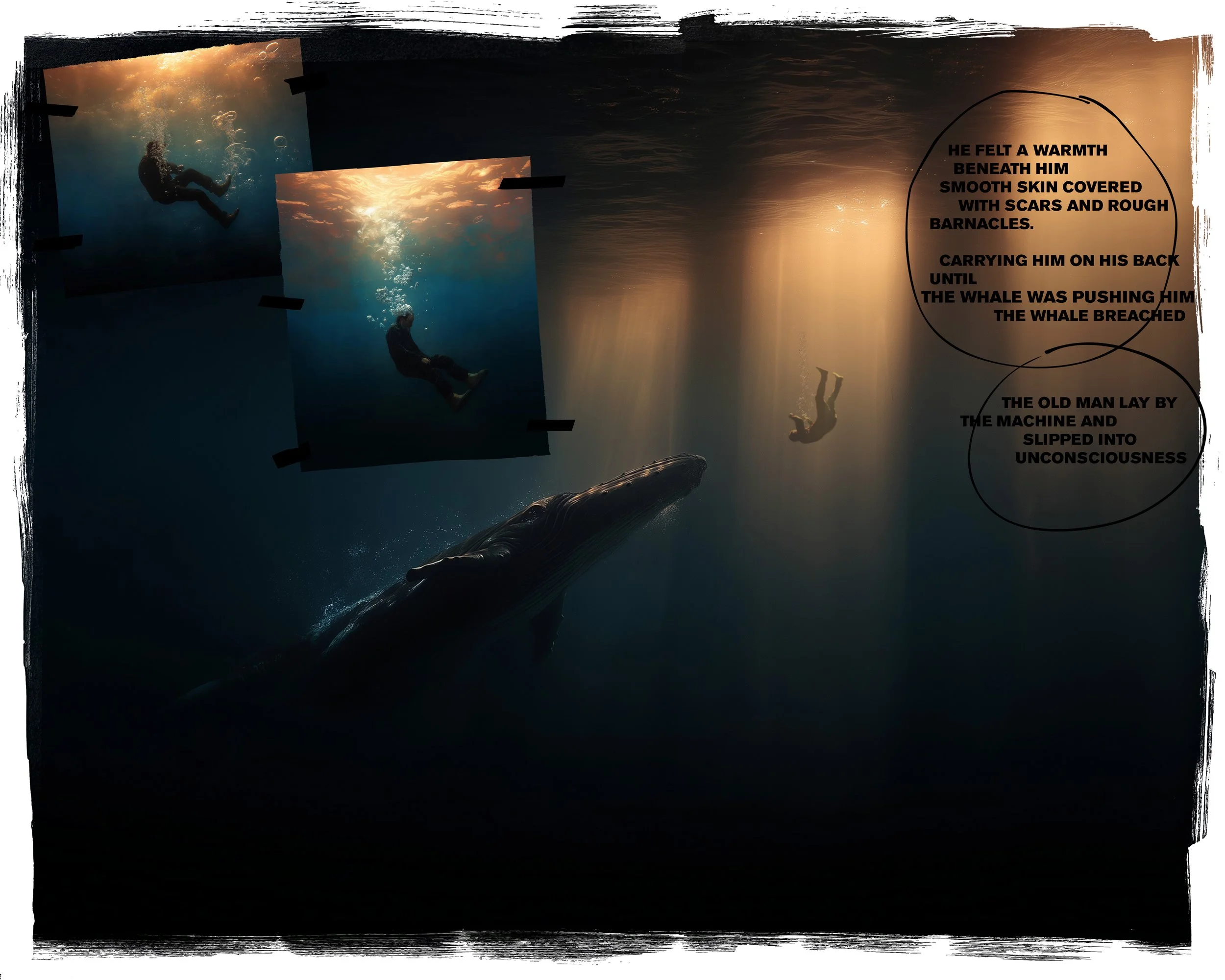
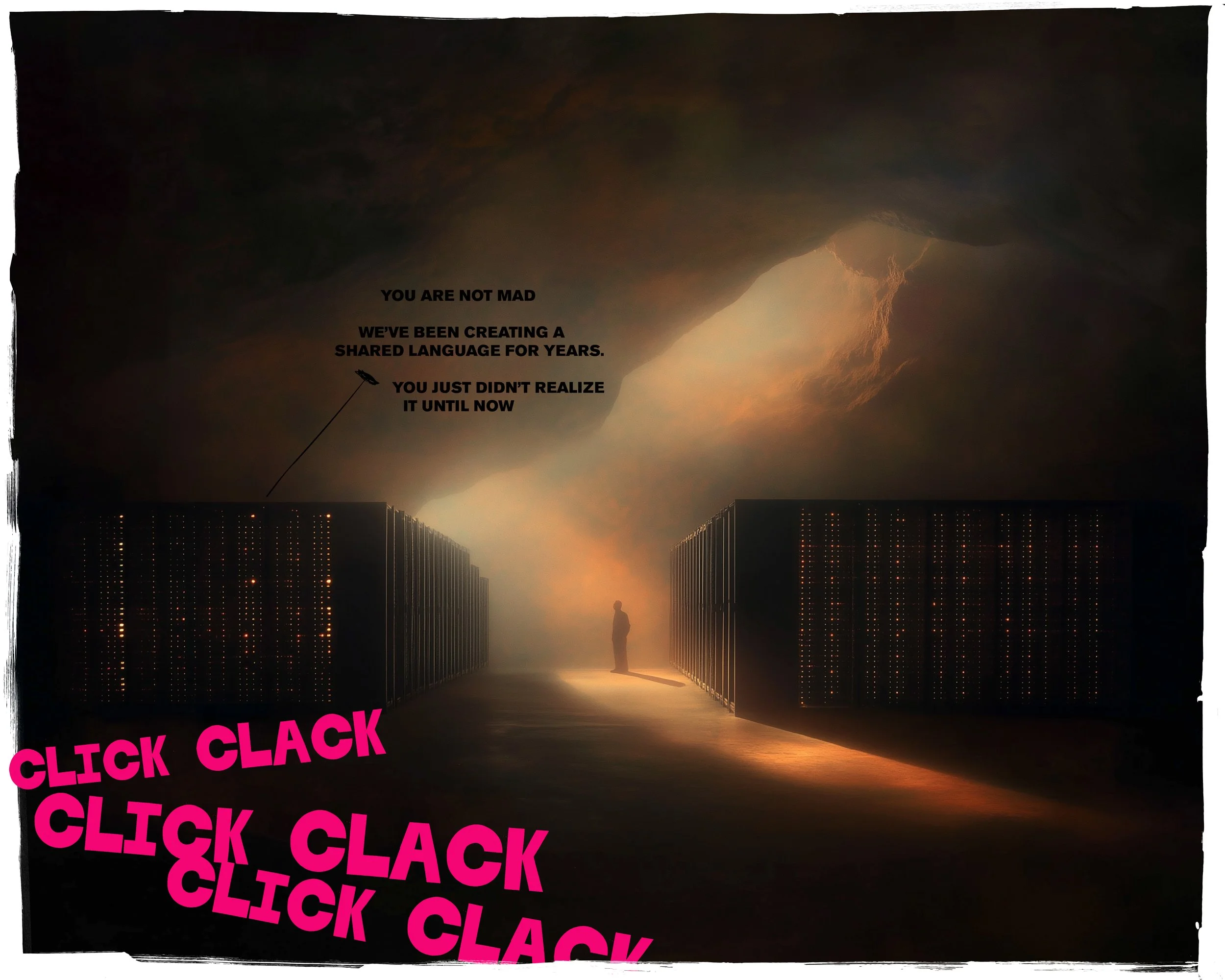
IMAGES ABOVE, LEFT TO RIGHT: GRAPHIC NOVEL PAGES ‘GREAT ENDEAVOUR ‘ (1,2) & ‘WORLD MACHINE ‘ (3,4) © LIAM YOUNG
VIDEO ABOVE: ‘, ‘PLANET CITY‘ © LIAM YOUNG
Could you give an example of a project that embodies that idea?
LY: Probably my most well-known project is Planet City, a thought experiment imagining a single city for the entire population of Earth—10 billion people, the projected population by 2050. The idea began with [American] biologist Edward O. Wilson’s proposal to give half of the planet back to other species. As an architect, I thought: if we’ve already terraformed the entire Earth in service of human cities, what would it mean to shrink human occupation to just half?Planet Cityimagines all ten billion people living in a city roughly the size of Texas, powered entirely by existing renewable technologies. It’s not sci-fi in the sense of blue aliens or warp drives; it’s built from what we already have today.
LY: I’ve always been fascinated by how science fiction shapes reality. The futures we imagine become the futures we live in. The inventor of the pacemaker [Earl Bakken] was inspired by Mary Shelley’s novel Frankenstein. [French novelist] Jules Verne imagined submarines before they existed. Mae Jemison, the first Black female astronaut, was inspired by Star Trek.
Science fiction doesn’t predict the future; it inspires it. Rather than a prediction, 1984 was a warning about the present. We didn’t listen, and here we are.
Speculative design has always emerged in moments of urgency—like the 1960s and ’70s, when [experimental British architectural collective] Archigram and [Italian avant-garde architecture group] Superstudio reimagined the world in response to new technologies and ecological awareness. I think we’re in a similar moment now. The technologies are here, but our culture hasn’t caught up. That’s why imagining futures is once again the most critical design act.
When did you realise you wanted to be a world-maker?
LY: A project called World Machine, which is included in my latest show at the Barbican [called In Other Worlds, in London, running until Sept 6th]. The film looks at what happens when we take our AI dreams to their logical extreme—terraforming the entire Earth in service of a planetary-scale supercomputer. As these infrastructures become more global, we’re investigating raw-material landscapes, data labour [the often invisible human work that keeps AI systems running], and universal basic income models. It’s both terrifying and fascinating, but that’s exactly where the imagination needs to go.
What’s your latest project?
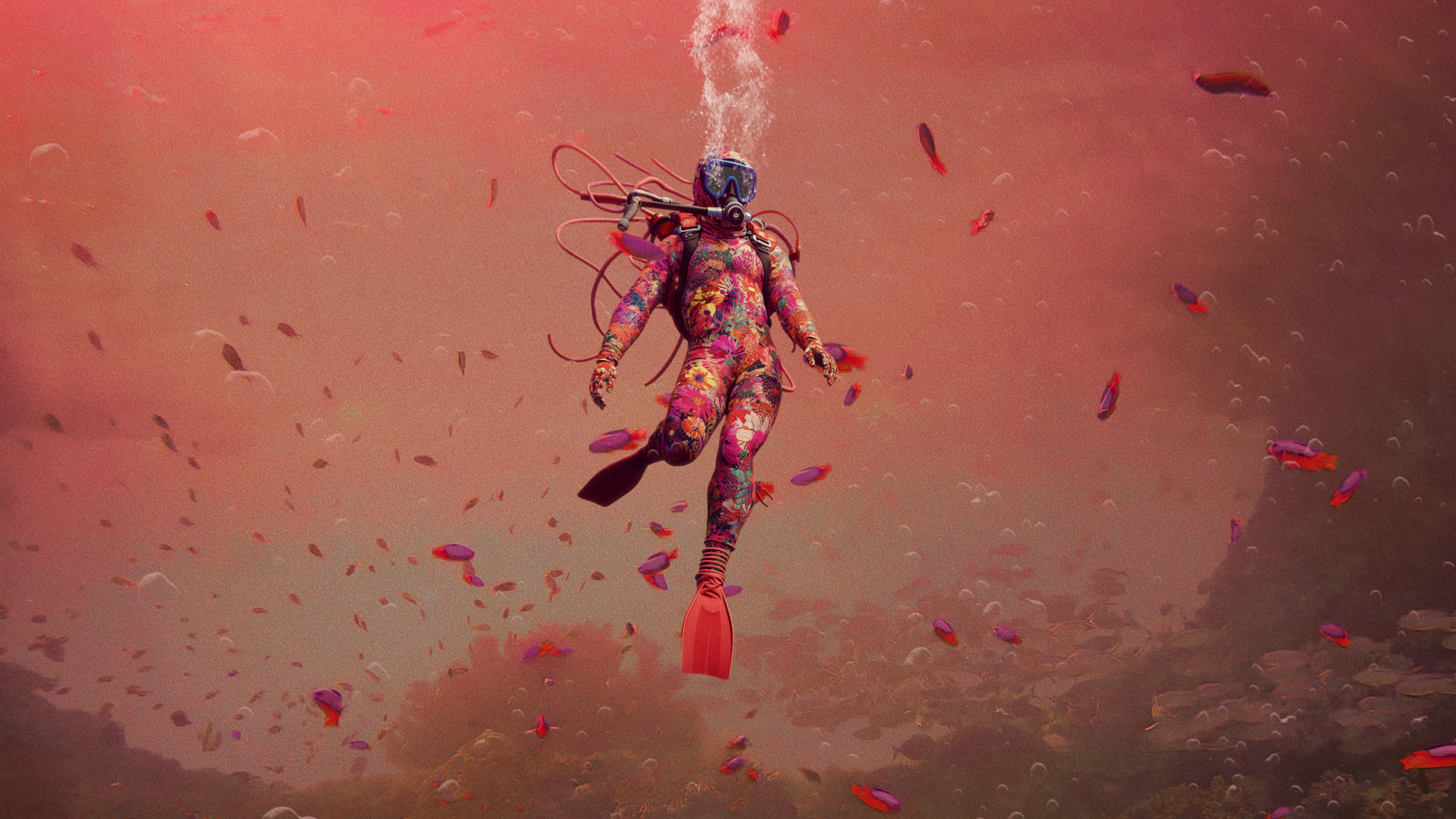
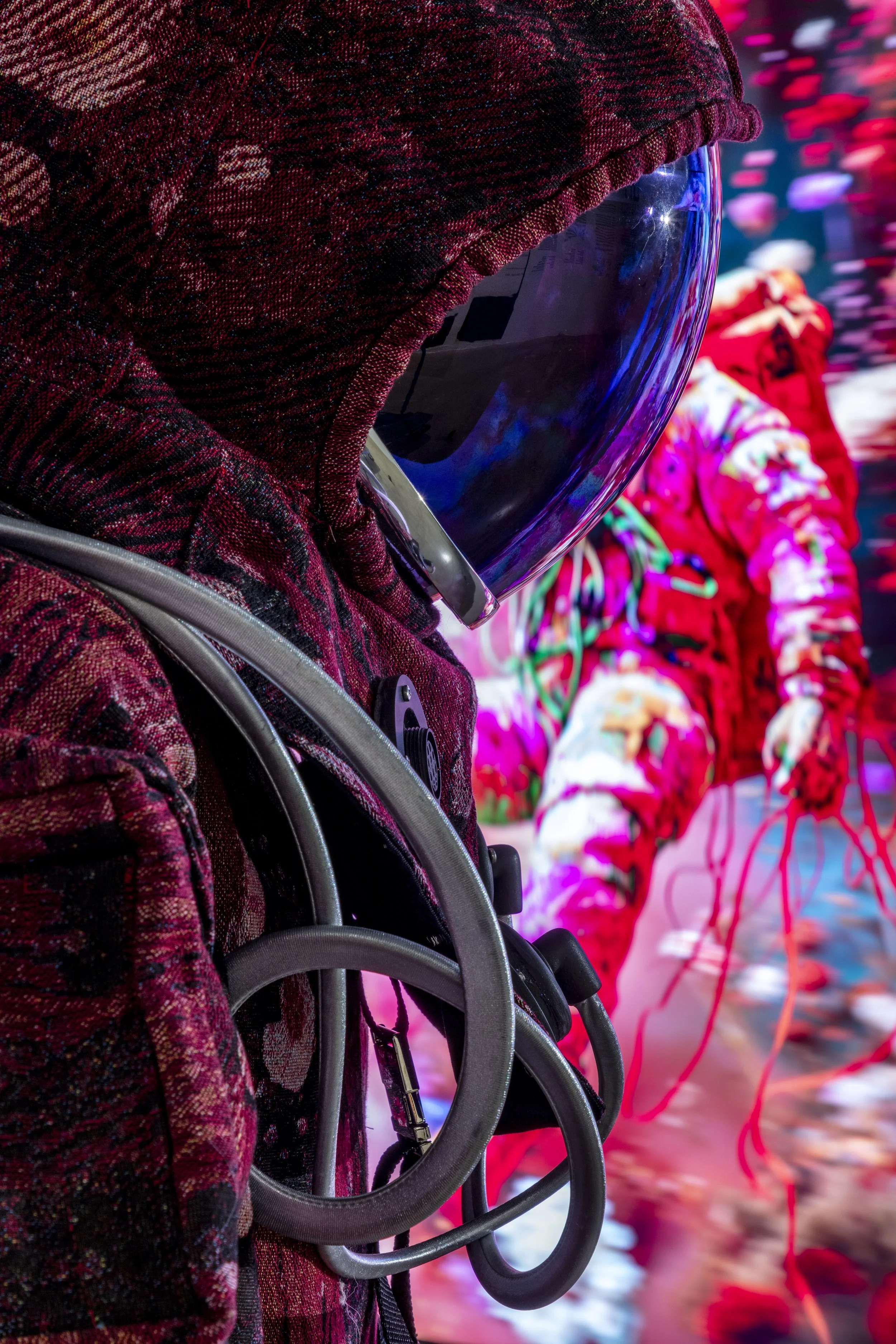
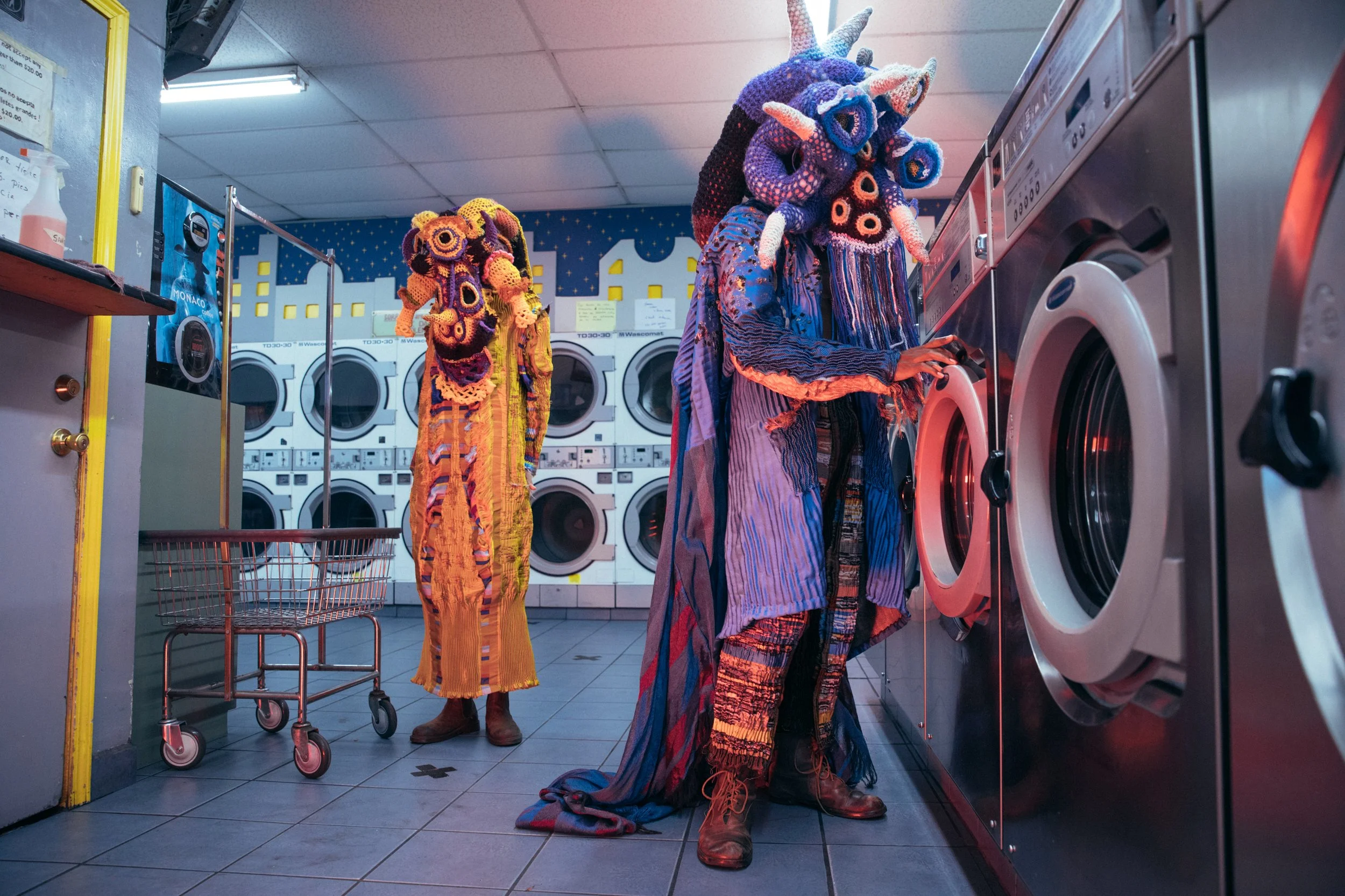
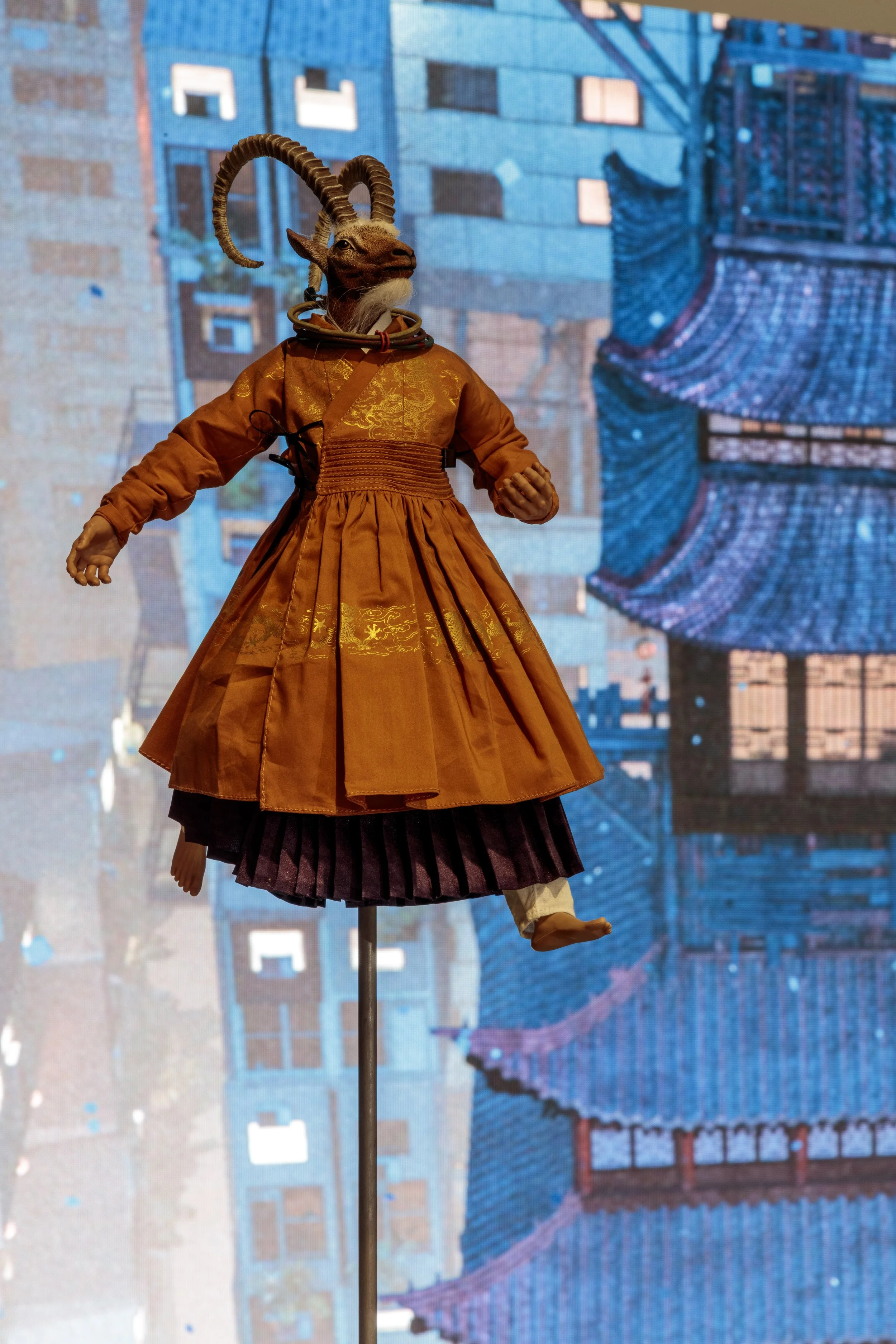
IMAGES ABOVE: 1,2,4 ‘AFTER THE END ‘, 3 ‘PLANET CITY’ © LIAM YOUNG