

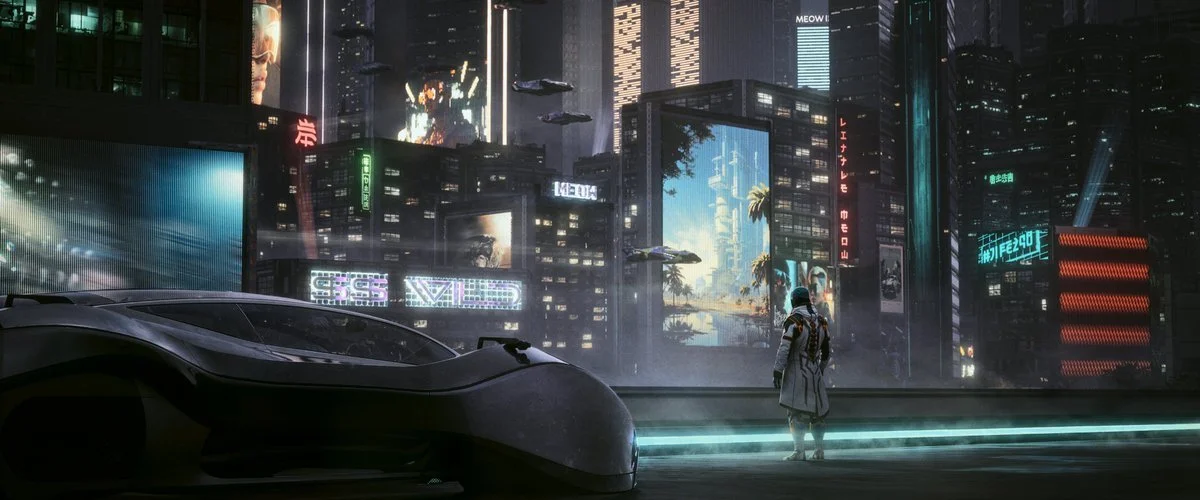

The future often arrives disguised as a technical discussion.
Spend enough time around architects today and you'll hear words like computation, generative systems, AI workflows, procedural design. Yet beneath the terminology, something much broader is taking place. Across design, technology, education and culture, the role of the creator is changing.
Few people sit closer to that shift than Dr. Pavlina Vardoulaki Pryor and Michael Pryor.
Together—with their partner Tsvetelina Georgieva—they run DesignMorphine, a platform that began as a series of workshops in computational architecture and has since evolved into an international educational network connecting architecture, fashion, footwear, industrial design and emerging technologies. DesignMorphine now also offers accredited Master’s and PhD programs in Computational Design, with worldwide recognition. Beyond education, both Michael and Pavlina operate deep inside industries being reshaped by AI: Pavlina leads the Digital Footwear Design Excellence team at Nike, while Michael is the head of Procedural Design for Wiami, a digital counterpart to Miami being developed within Wilder World.
What makes their perspective interesting isn't simply that they use new tools. It's that they seem to be describing a different understanding of design altogether—one where the designer is less concerned with producing objects and more concerned with defining systems, behaviors and possibilities.
We spoke about education, AI, digital cities, Instagram experiments, and why the most important creative skill today may be learning how to think rather than learning how to use a particular tool.
Interview by Marcela Spadaro | Images and videos courtesy of Dr. Pavlina Vardoulaki Pryor and Michael Pryor, including their personal work, projects developed within Wilder World, and works created by students at DesignMorphine: Juan Cobo Guerrero, Rohan Rahinwal, Anett Kulcsar, David Ramirez, Henri Vanhaerents, Alab Adviento and Mohammad Qamar

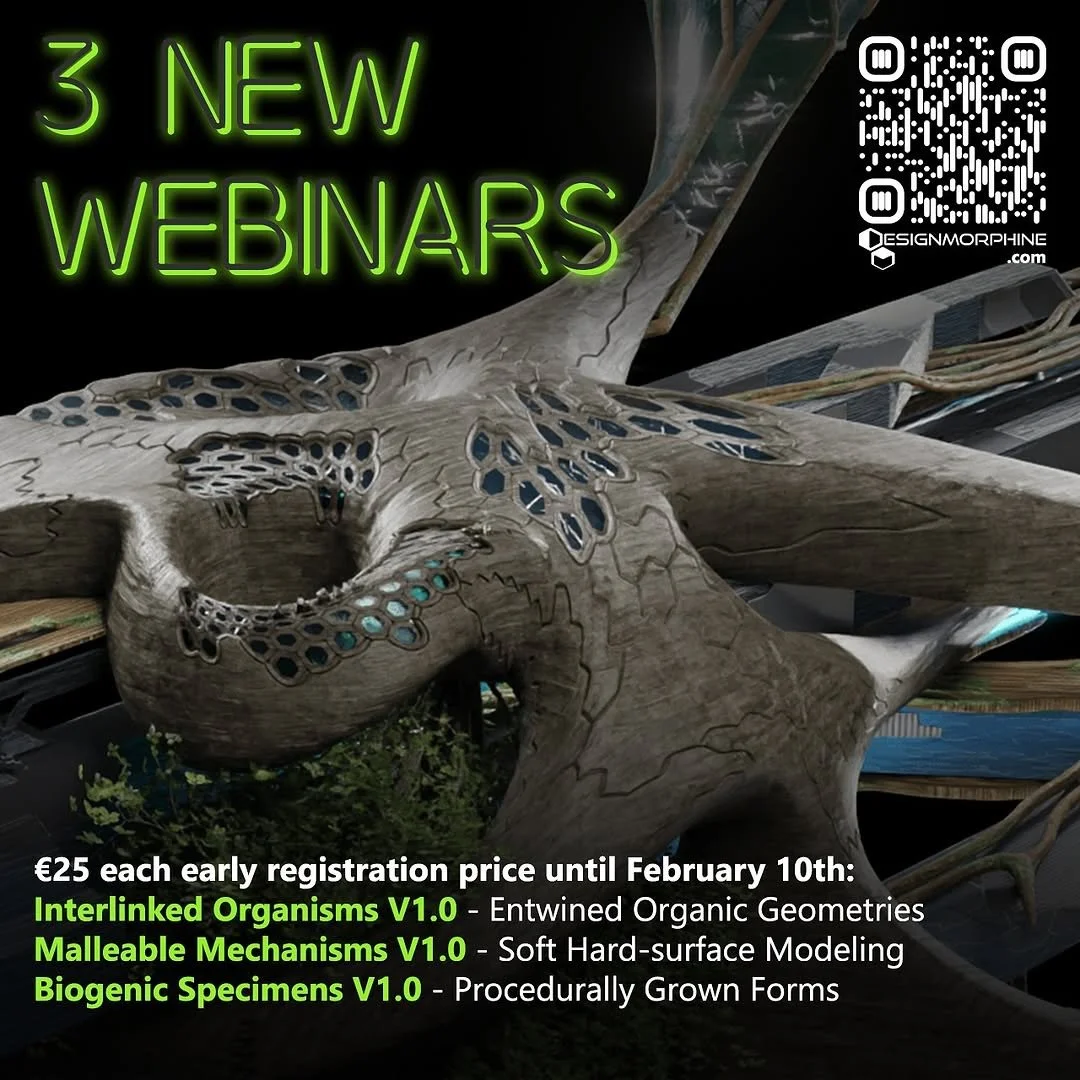

Dr. Pavlina Vardoulaki Pryor:
When we started in 2014, computational design was still relatively inaccessible. Much of that knowledge existed inside specialist environments and wasn't reaching a wider audience.
We began by organizing workshops around the world and eventually delivered more than 200 events, both in person and online.
What interested us wasn't simply teaching software. It was helping people understand a different way of thinking.
Part of that comes from my own experience. I wasn't someone who grew up particularly technical. I only got my first computer when I was nineteen.
My mother was a PhD researcher working with children with learning disabilities, and after my father passed away when I was young, I often accompanied her while she worked. Looking back, that had a profound influence on me. It made me interested in how people learn, how they process complexity, and how knowledge can be made accessible.
Computational design can feel intimidating at first. Because I experienced that myself, I've always been interested in lowering those barriers for others.
Michael Pryor:
For me, DesignMorphine is less a school and more a conversation between education and practice.
The moment you stop learning, you risk becoming disconnected from what's actually happening.
Technology moves quickly. Institutions move slowly.
Learning forces you to constantly test ideas against reality.
DesignMorphine began as a series of workshops more than a decade ago. What was missing from design education at the time?
Today your students come from architecture, fashion, footwear and industrial design. What are they all trying to learn?
Dr. Pavlina Vardoulaki Pryor:
Adaptability.
That's really the common thread.
I currently lead a team of digital footwear designers at Nike and what I see every day is that the boundaries between disciplines are becoming increasingly porous.
The tools change. Industries change. The ability to learn and adapt becomes more important than expertise in any single platform.
Michael Pryor:
Exactly.
The half-life of knowledge is becoming shorter. People often ask what software they should learn, but that's increasingly the wrong question.
The more important question is how you learn.
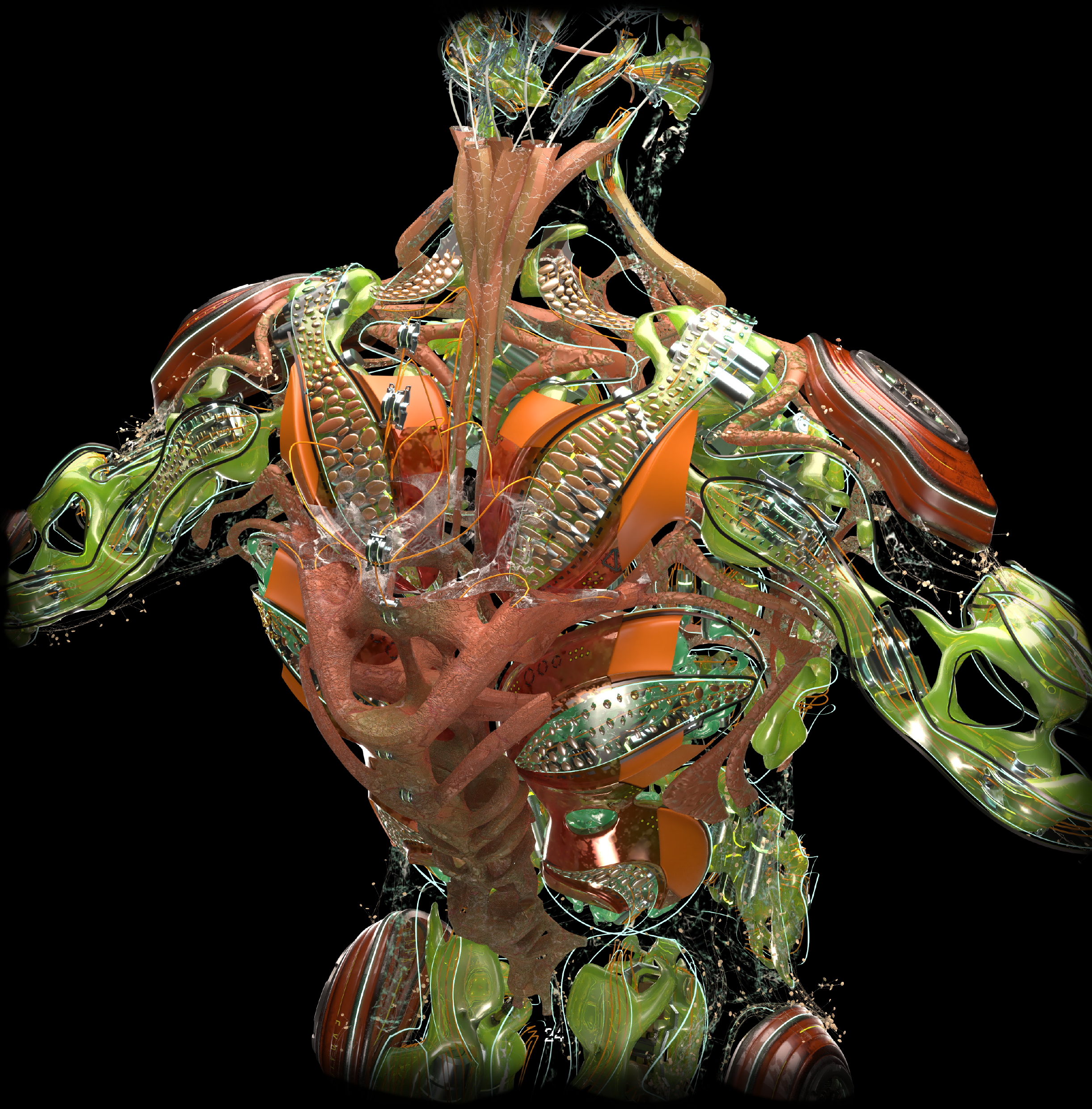
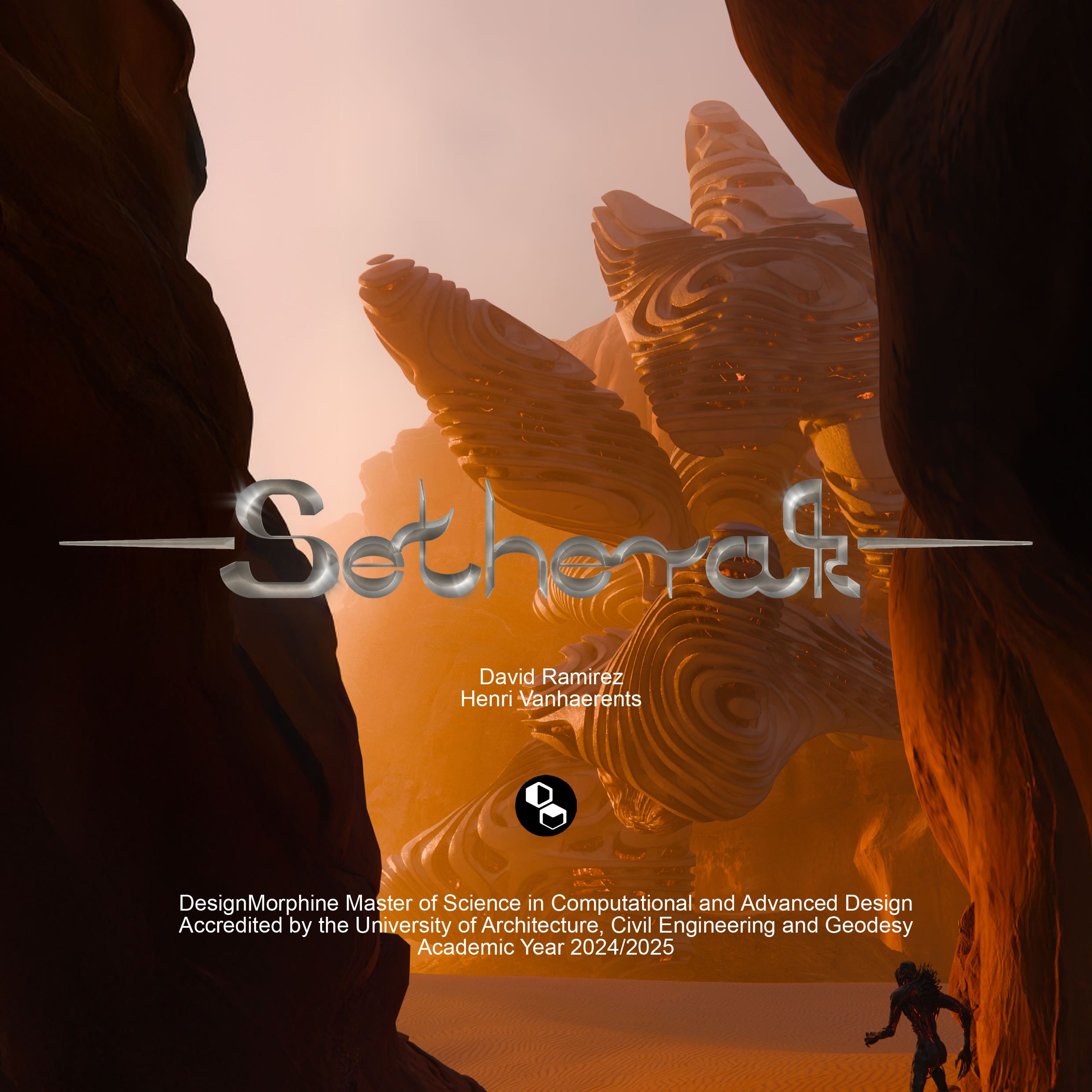
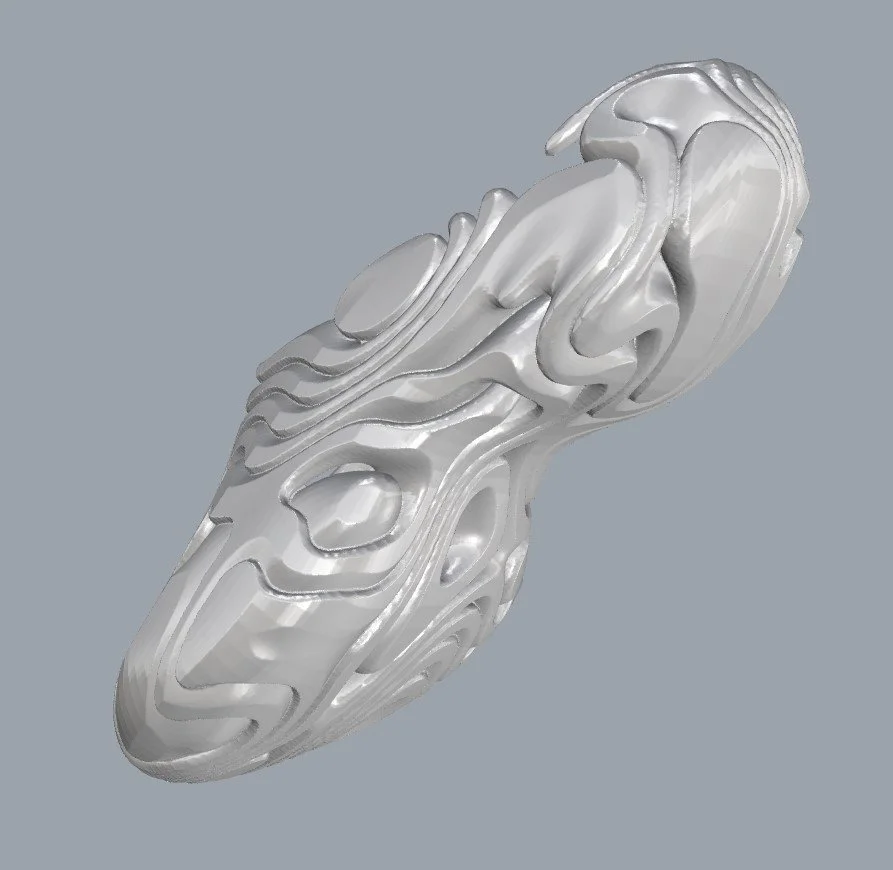
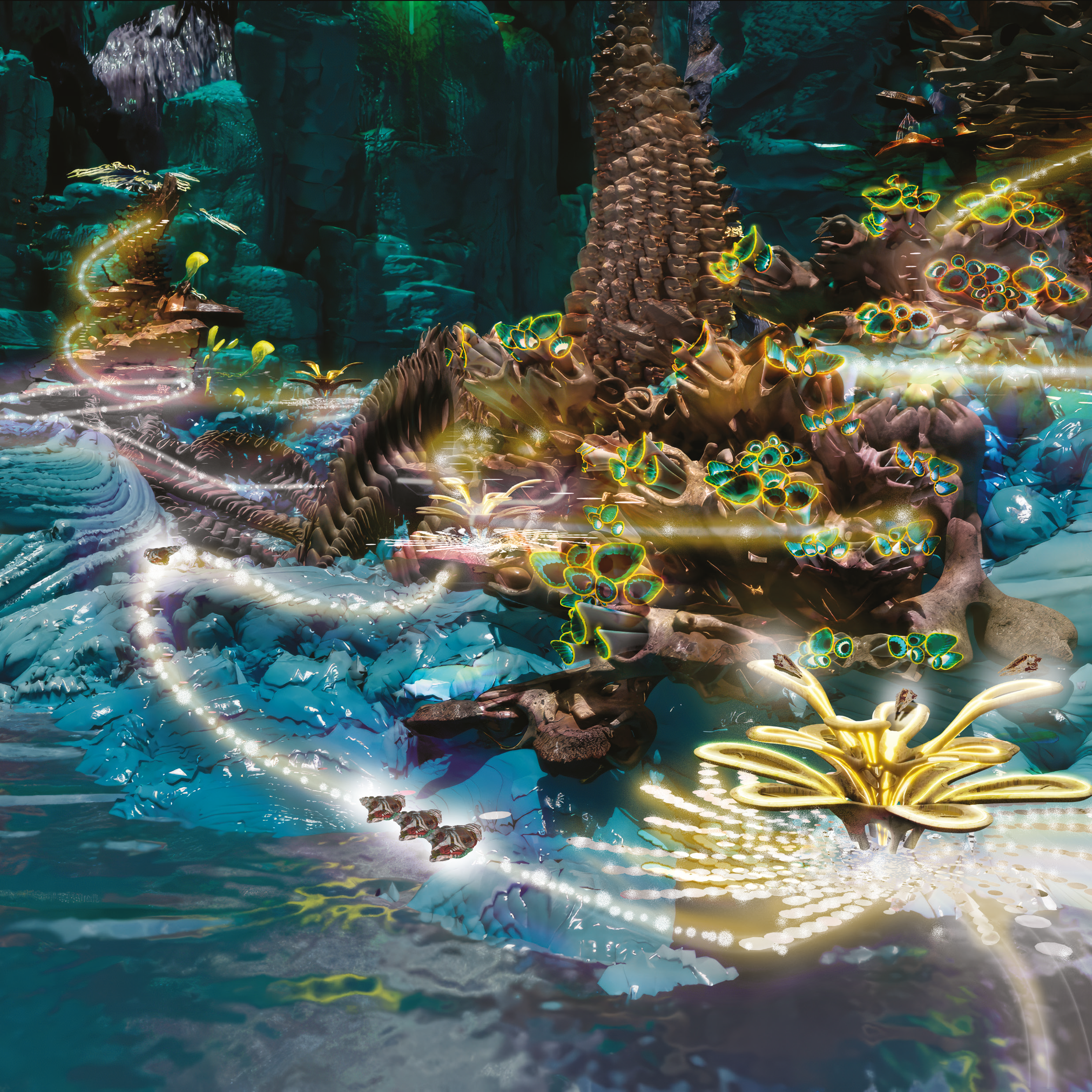
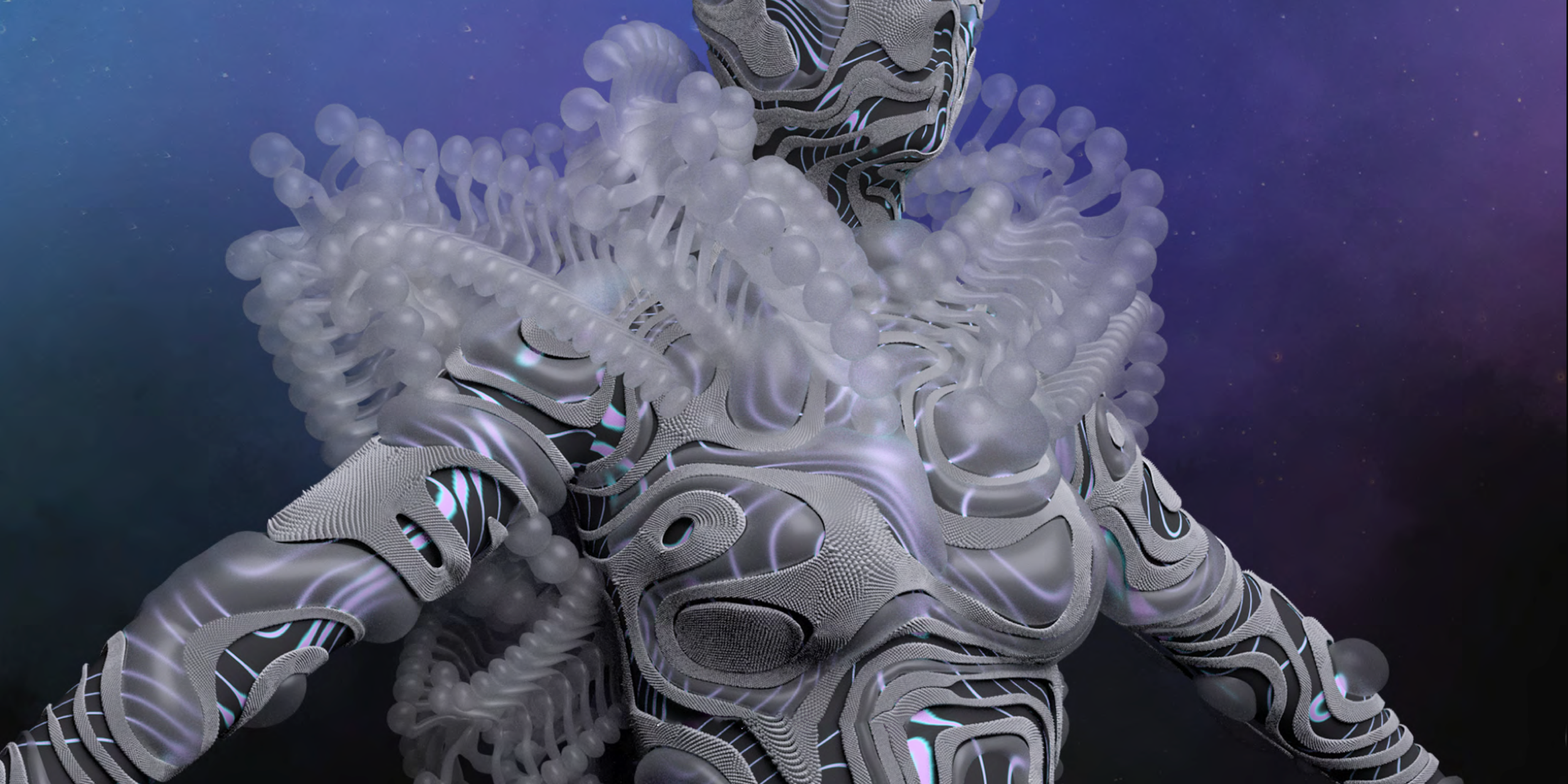
Student work at DesignMorphine
What is the biggest misconception people have about AI in design right now?
Dr. Pavlina Vardoulaki Pryor:
That it removes the designer from the process.
I don't think that's true at all.
AI can generate possibilities, but authorship still comes from intention. Somebody still needs to decide what matters, what doesn't, what gets developed and what gets discarded.
Without direction, all you have is noise.
What's changing is not the need for designers. It's the relationship between designers and the tools they use.
Many people are excited about AI, but many are also afraid of it. What excites you?
Michael Pryor:
The possibility of working at the level of systems.
I'm becoming less interested in form itself and more interested in what produces form.
The question is no longer simply, "What does this look like?"
The question becomes, "What system generates this? What rules produce it? How does it behave?"
If the system is interesting, the outputs can continue evolving indefinitely.
That's where my curiosity is now.
Even on my Instagram, most of what I post isn't really about finished projects. It's experiments. Small web applications. Generative systems. Processes unfolding in public.
I'm often less interested in the final image than I am in the logic behind it.
is the Creative work Then shifting towards systems?
Michael Pryor:
Maybe.
But architecture has always involved systems.
Cities are systems. Buildings are systems. Infrastructure is a system.
What's changed is that we're now able to engage with those systems more directly.
The finished object doesn't disappear. It's just no longer the only thing we're designing.
AI app study by Michael Pryor
You're currently helping develop Wiami, a digital counterpart to Miami. How did that happen?
Michael Pryor:
What interested me about Wiami was the opportunity to think about cities from first principles.
That immediately raises interesting questions.
What happens when you're designing a city without physical construction? Without gravity as a primary constraint? Without many of the limitations architects normally work with?
At the same time, you discover that some things don't change at all.
People still need places to gather.
They still need identity, landmarks, neighborhoods and reasons to move through space.
One of the things that makes Wiami easy to imagine is that you can literally move through it.
Michael Pryor:
Exactly.
A lot of virtual worlds function as disconnected rooms. You jump from one location to another.
We wanted the city to feel continuous.
If you own a piece of land and I own a piece of land, I should be able to drive from mine to yours and experience everything in between.
You might come across a race happening somewhere in the city. You might discover a neighborhood you hadn't visited before.
Those moments of chance encounter are part of what makes cities interesting.
That's a very different way of thinking from traditional architecture.
Michael Pryor:
That's where things become tangible for people.
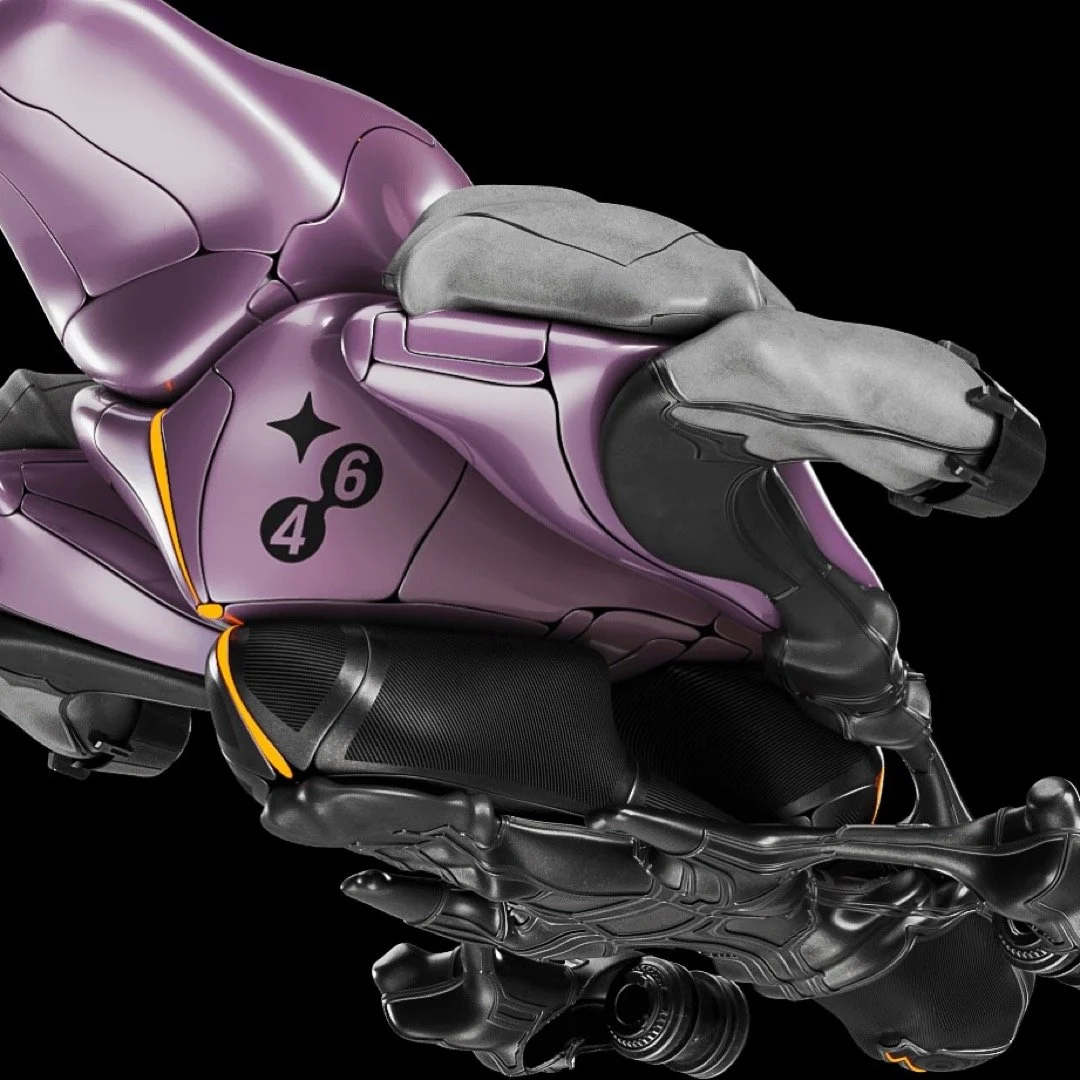
We've released digital vehicles with Lamborghini that users can own, trade and drive through the city.
People immediately understand what a car is.
The technology underneath might be complex, but the experience isn't.
You get into a vehicle and explore a city.
That's a much easier entry point than talking about blockchain infrastructure or procedural systems.
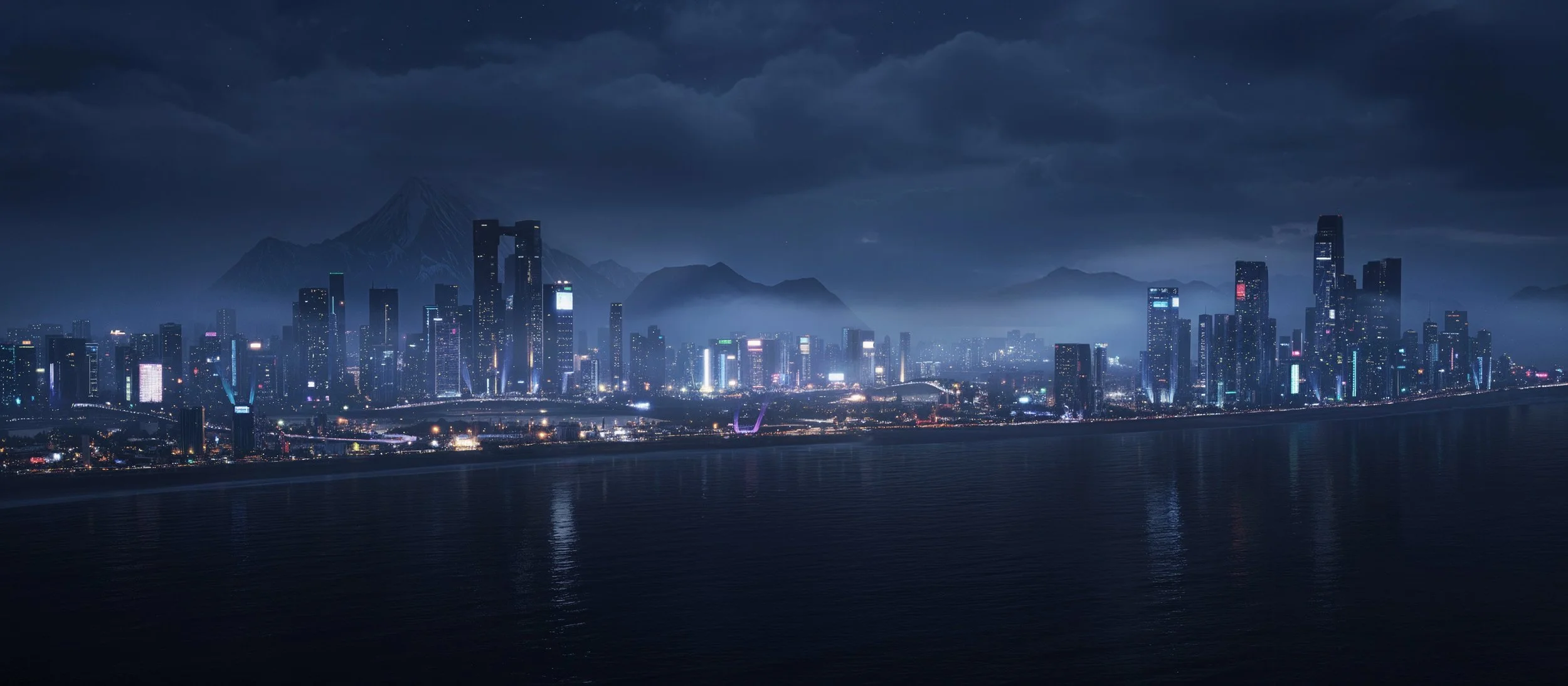
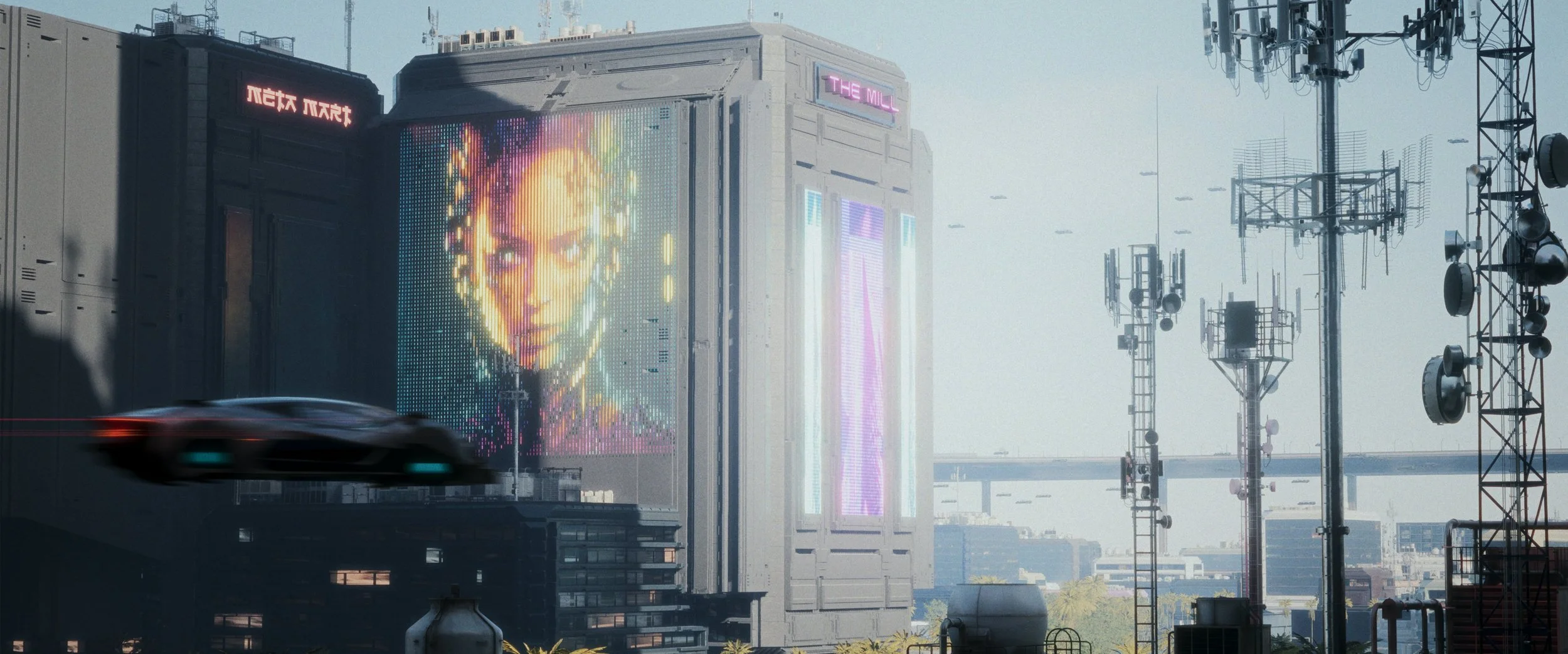
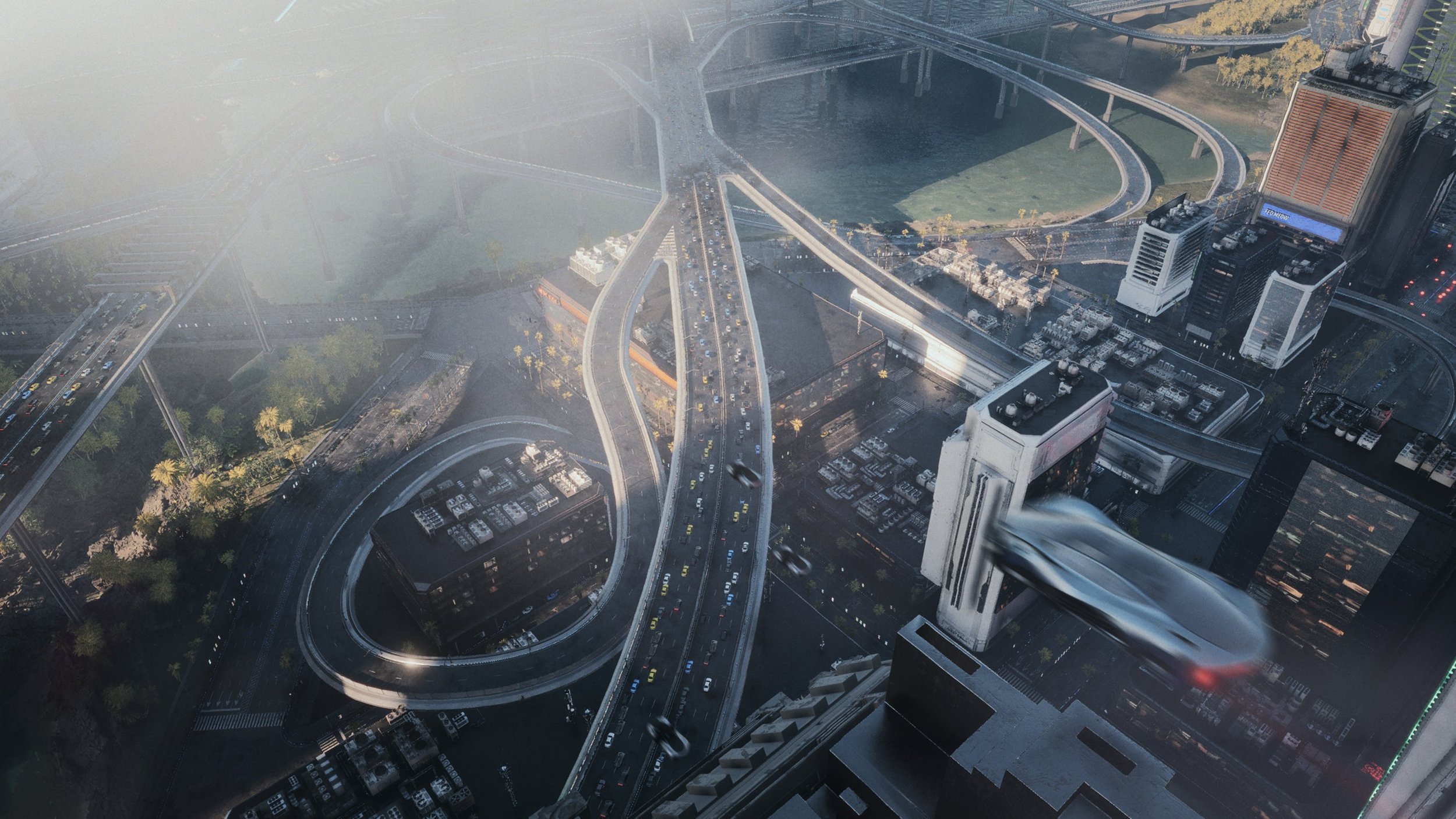
View of Wiami
Walk through Wiami
Wiami Plots
Listening to both of you, it feels like we're talking about design, education, software, cities and culture at the same time. Are those distinctions starting to disappear?
Dr. Pavlina Vardoulaki Pryor:
I think they're becoming increasingly interconnected.
The challenges we're facing no longer belong to a single discipline.
Designers are collaborating with engineers, educators, researchers, technologists and entrepreneurs more than ever before.
The most valuable skill is often the ability to move between worlds.
Michael Pryor:
And to understand intent.
The tools will continue changing.
The platforms will continue changing.
What's becoming more important is the ability to define what you're trying to do and why.
In that sense, design isn't becoming less human.
If anything, it's becoming more dependent on human judgment.
The technology keeps getting smarter.
The question is whether we become more thoughtful in how we use it.
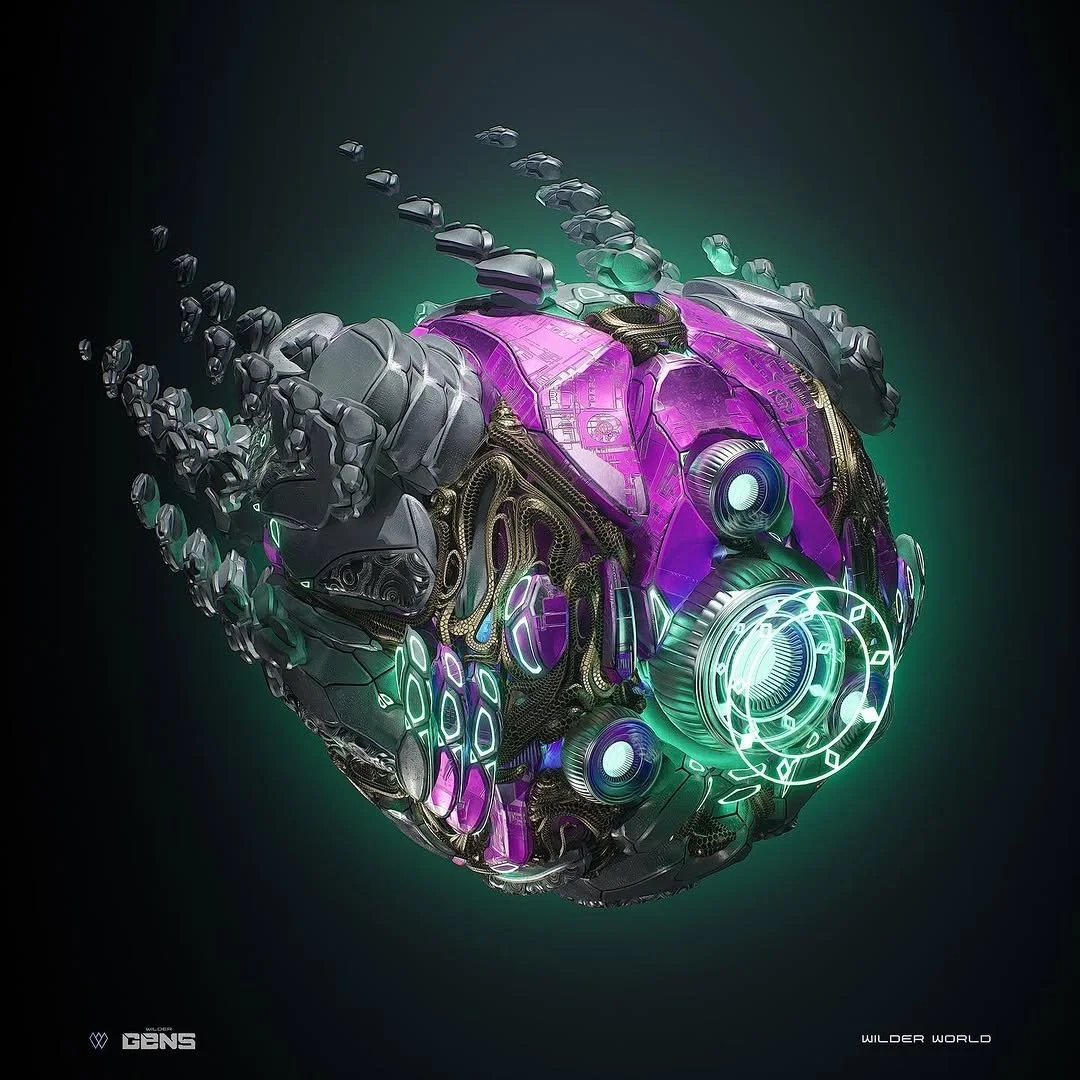
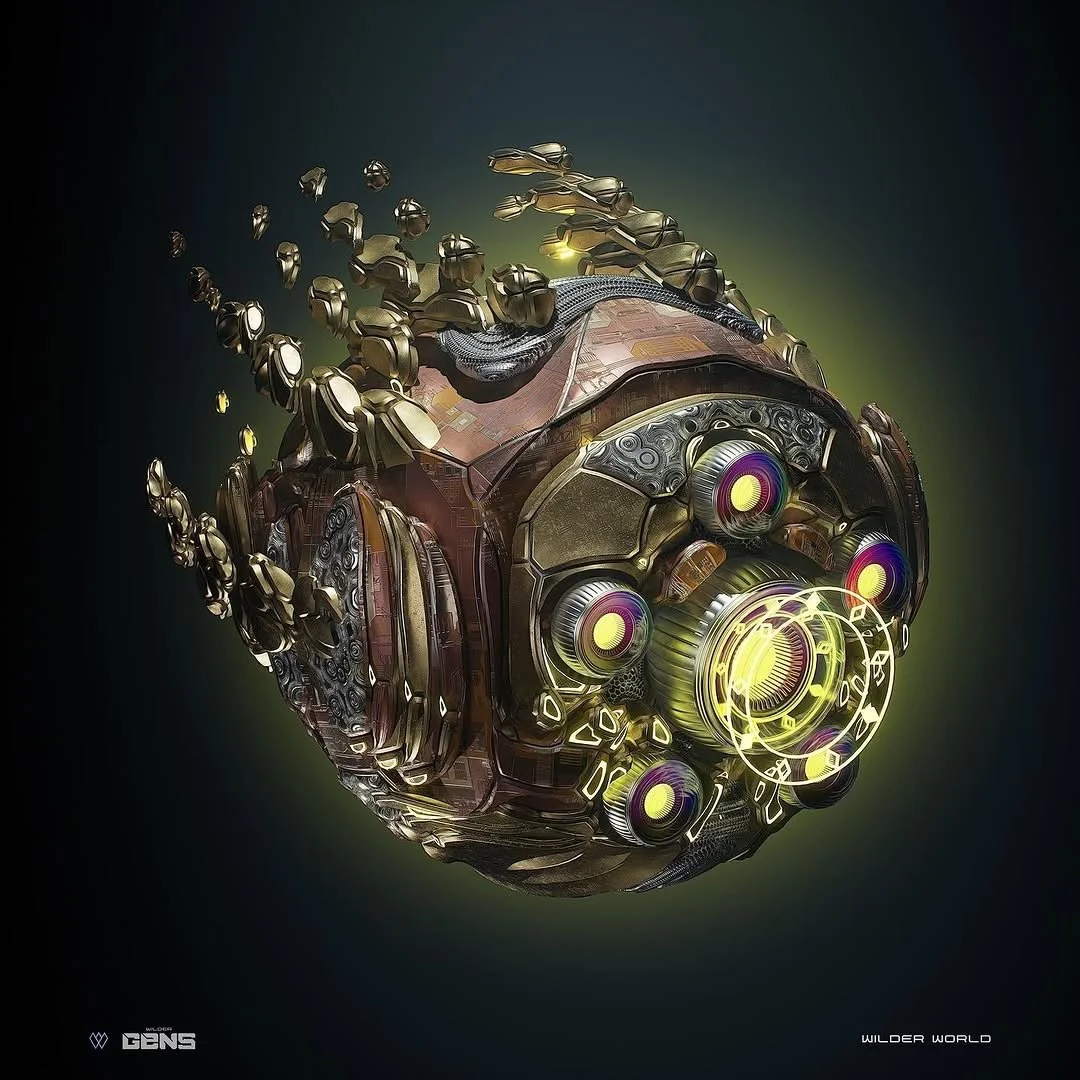
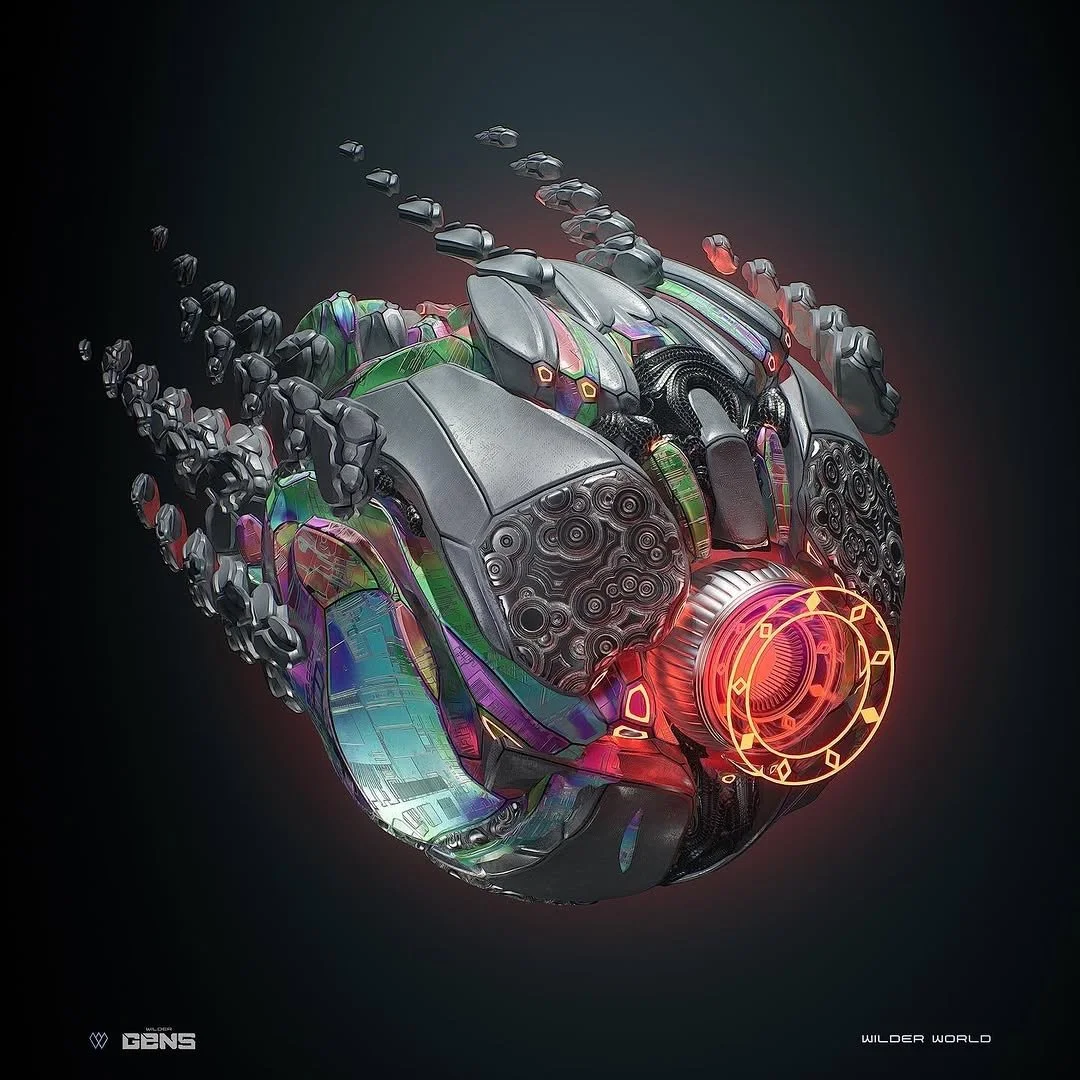
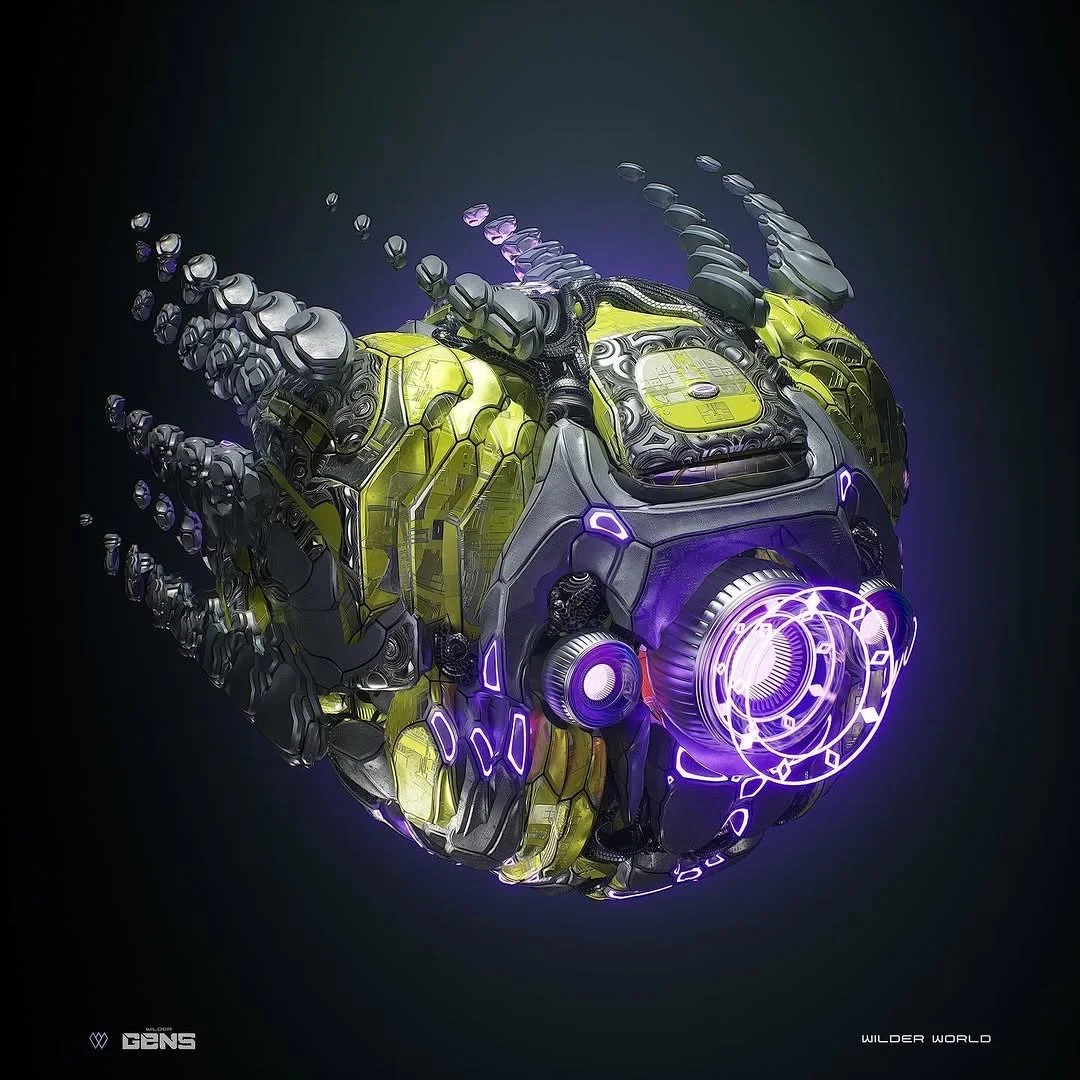
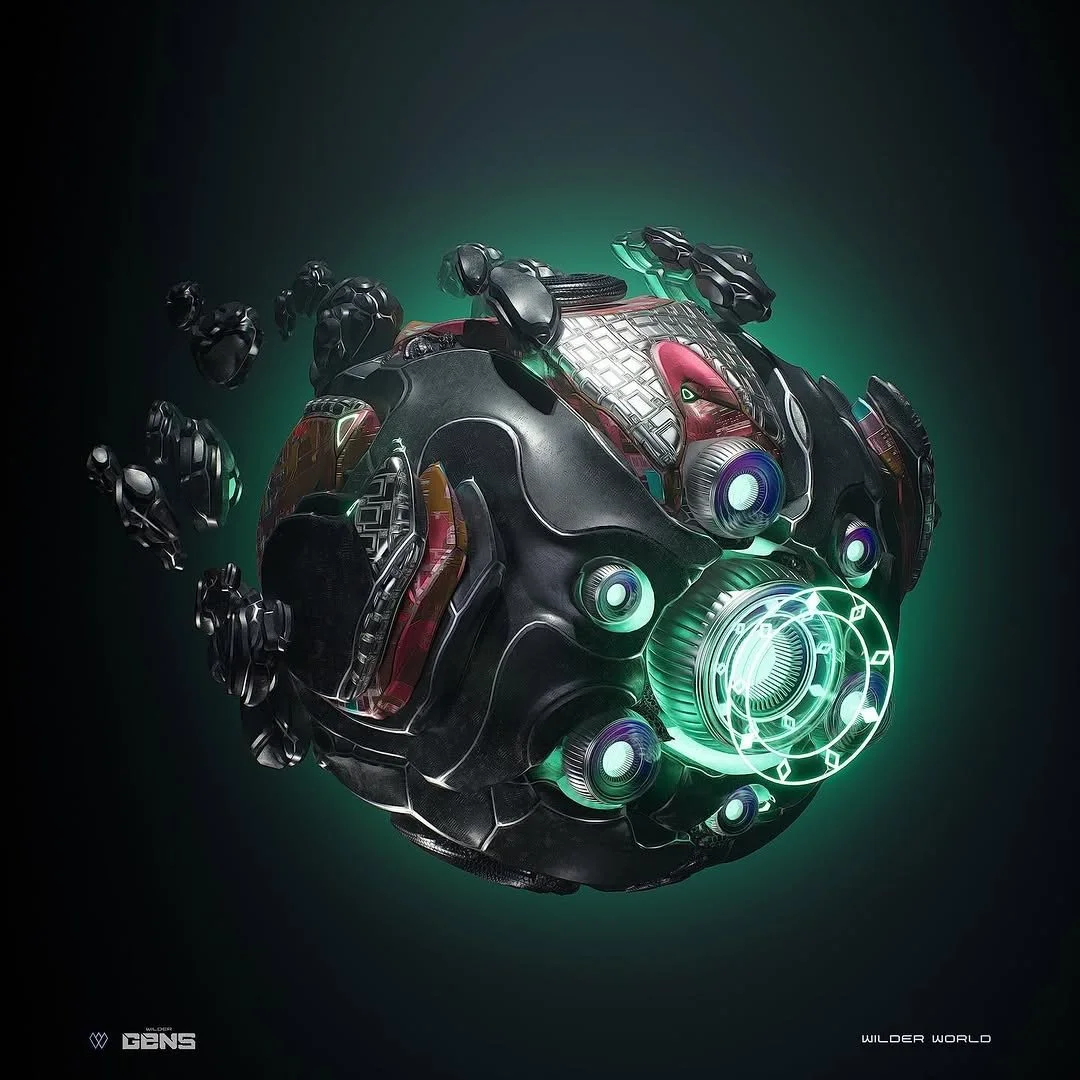
AI-powered digital companion NFTs / Wilder World